Singapore: The Unsung Anchor of Global Trade Amidst Mounting Disruptions
Amidst escalating geopolitical tensions and supply chain vulnerabilities, maritime hubs like Singapore are proving indispensable for the stability of global trade. Deputy Prime Minister Gan Kim Yong recently underscored Singapore's pivotal role in maintaining connectivity and resilience, particularly as disruptions in critical waterways like the Strait of Hormuz ripple worldwide. This article delves into how these strategic nodes navigate complex challenges, ensuring the continued flow of goods and safeguarding economic lifelines against an unpredictable backdrop.
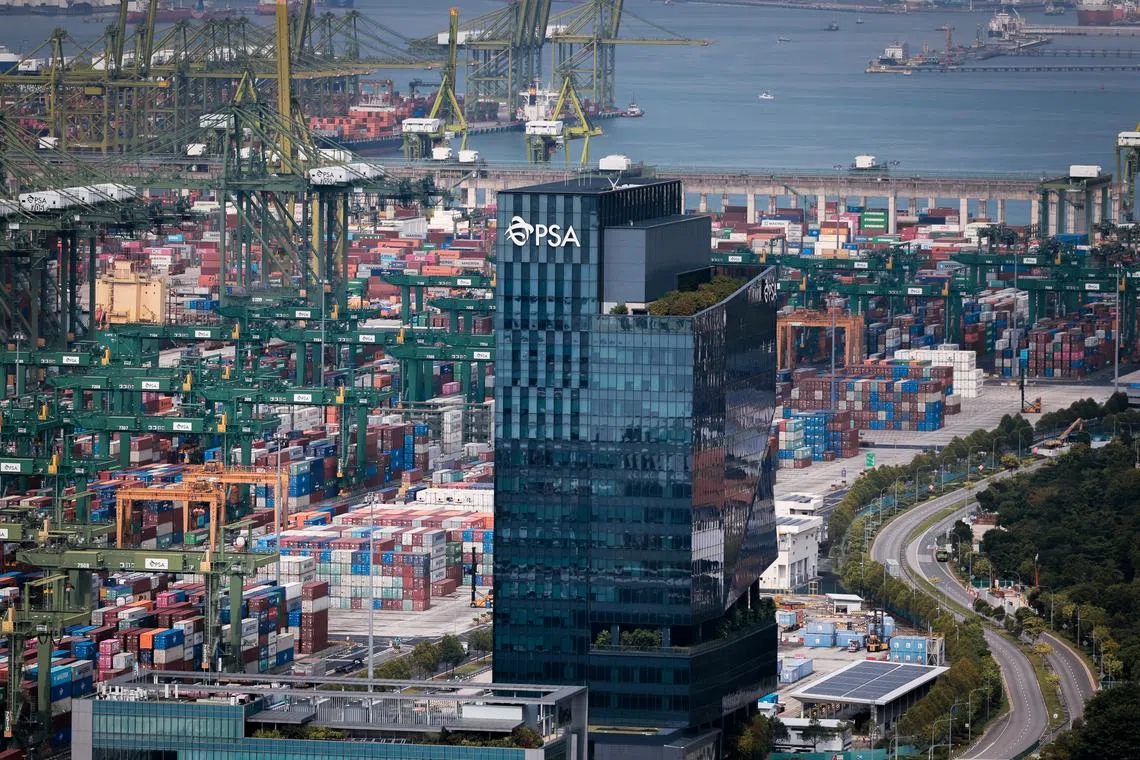
In an increasingly fractured and unpredictable world, where geopolitical tremors send shockwaves through interconnected economies, the unassuming yet monumental role of maritime hubs has never been more critical. These strategic chokepoints and logistical nerve centers, exemplified by the bustling port of Singapore, are not merely transit points; they are the very arteries through which the lifeblood of global commerce flows. As Deputy Prime Minister Gan Kim Yong articulated on April 2, Singapore stands as a critical bulwark against the cascading effects of disruptions, such as those currently plaguing the Strait of Hormuz, ensuring that trade carries on even in the face of unprecedented challenges.
The global economy, intricately woven by complex supply chains, is perpetually vulnerable to shocks. From natural disasters to political instability, the pathways of trade are fraught with potential bottlenecks. The recent turmoil in the Red Sea, directly impacting shipping through the Suez Canal and forcing vessels to reroute via the Cape of Good Hope, underscores the fragility. This rerouting adds weeks to journeys, inflates shipping costs, and strains logistics networks globally. In this volatile environment, the resilience and adaptability of maritime hubs like Singapore become paramount, acting as stabilizers that absorb and mitigate these shocks, preventing wider economic fallout.
The Strategic Imperative of Maritime Hubs
Maritime hubs are more than just ports; they are sophisticated ecosystems comprising advanced infrastructure, robust digital networks, skilled labor, and a dense concentration of maritime services, including financing, insurance, and legal expertise. Singapore, strategically located at the crossroads of major shipping lanes, has meticulously cultivated this multifaceted role over decades. Its deep-water berths, state-of-the-art container terminals, and efficient customs procedures allow it to handle immense volumes of cargo with remarkable speed and precision. This operational excellence is crucial when global supply chains are under duress, enabling faster turnaround times and minimizing delays that could otherwise cripple industries.
The importance of these hubs extends beyond mere logistics. They serve as information clearinghouses and innovation incubators for the maritime industry. Singapore, for instance, is at the forefront of developing smart port technologies, autonomous vessels, and green shipping solutions. These innovations not only enhance efficiency but also contribute to the long-term sustainability and resilience of global trade. By continuously investing in technology and infrastructure, these hubs ensure they remain competitive and capable of meeting future demands, no matter how challenging the global landscape becomes.
Navigating Geopolitical Headwinds: The Strait of Hormuz and Beyond
Currently, the spotlight is on the Strait of Hormuz, a narrow waterway connecting the Persian Gulf to the open ocean, through which a significant portion of the world's oil supply passes. Disruptions here, whether due to geopolitical tensions or security threats, have immediate and far-reaching consequences for global energy markets and, by extension, all trade. While Singapore is geographically distant from the Strait of Hormuz, its role as a global transshipment hub means it is intimately connected to the flows of goods originating from or destined for regions impacted by such disruptions. Vessels rerouting or facing delays elsewhere inevitably affect scheduling and capacity at major hubs.
The Red Sea crisis, specifically the Houthi attacks on commercial shipping, has forced many carriers to avoid the Suez Canal, opting for the longer route around Africa. This has led to a surge in demand for bunkering services, port calls, and transshipment capacity at ports along the new routes, including Singapore. The ability of these hubs to absorb this increased traffic and provide essential services without significant bottlenecks is a testament to their robust infrastructure and operational agility. Without such resilient hubs, the rerouting would lead to even more severe delays and cost escalations, potentially pushing vulnerable economies into crisis.
Economic Implications and Future Outlook
For businesses and consumers worldwide, the smooth functioning of maritime hubs translates directly into stable prices and reliable access to goods. When these hubs falter, the ripple effects are felt in higher inflation, product shortages, and reduced economic activity. The cost of shipping, already elevated post-pandemic, would skyrocket further, impacting everything from electronics to everyday consumables. Therefore, the strategic investment in and protection of these hubs are not just maritime concerns but fundamental pillars of global economic stability.
Looking ahead, the challenges facing global trade are unlikely to diminish. Climate change poses threats to coastal infrastructure and shipping routes, while geopolitical fragmentation continues to create new flashpoints. In this evolving environment, the role of maritime hubs will only grow in importance. They will need to continue adapting, investing in climate-resilient infrastructure, embracing digitalization, and fostering international cooperation to ensure the free and secure flow of goods. Singapore's proactive approach, as highlighted by DPM Gan, serves as a blueprint for how nations can safeguard their economic interests and contribute to global stability through strategic maritime development.
In conclusion, the quiet efficiency of maritime hubs like Singapore often goes unnoticed by the average consumer, yet their function is nothing short of foundational to modern life. They are the unsung heroes of global commerce, tirelessly working to keep the world connected and supplied. As the global landscape becomes increasingly volatile, recognizing and reinforcing the critical role of these hubs is not just an economic imperative but a collective responsibility to ensure a resilient and prosperous future for all. Their capacity to absorb shocks, adapt to new realities, and innovate for tomorrow will define the future trajectory of international trade and, by extension, global well-being.
Stay Informed
Get the world's most important stories delivered to your inbox.
No spam, unsubscribe anytime.
Comments
No comments yet. Be the first to share your thoughts!