Singapore's AI Ambition: Training 40,000 Tech Workers for an Automated Future
Singapore is embarking on an ambitious plan to equip 40,000 tech professionals with advanced AI skills by 2029. This initiative, spearheaded by the IMDA, aims to transform the workforce, enabling automated coding and the development of sophisticated agentic systems. The move underscores Singapore's commitment to maintaining its competitive edge in the global digital economy and preparing for the next wave of technological disruption.
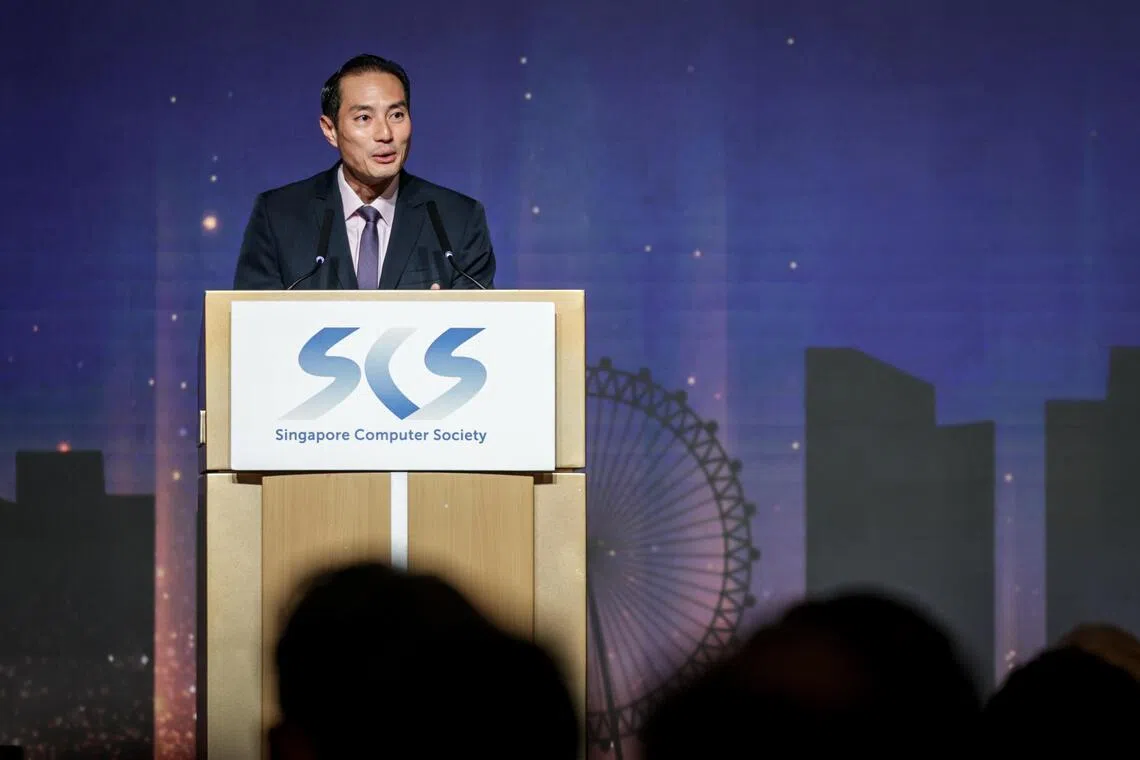
In an era defined by rapid technological advancement, Singapore is once again positioning itself at the forefront of innovation. The island nation, renowned for its forward-thinking policies and robust digital infrastructure, has unveiled an ambitious plan to train 40,000 tech professionals in advanced Artificial Intelligence (AI) skills by 2029. This monumental undertaking, announced by the Infocomm Media Development Authority (IMDA) on May 8, 2026, is not merely about upskilling; it's a strategic imperative designed to cement Singapore's status as a global AI hub, capable of driving the next generation of automation and intelligent systems.
This initiative targets a broad spectrum of the tech workforce, including software developers, cybersecurity workers, and even final-year students across polytechnics, the Institute of Technical Education, and universities. The goal is to equip these individuals with the expertise to perform tasks such as automating code-writing and building sophisticated agentic systems, which are AI programs capable of independent decision-making and action. The implications of such a widespread integration of AI capabilities are profound, promising to reshape industries, enhance productivity, and redefine the very nature of work in the digital age.
The Strategic Imperative: Why AI Now?
Singapore's proactive stance on AI is deeply rooted in its long-term economic strategy. As a small nation with limited natural resources, human capital and technological prowess have always been its most valuable assets. The government has consistently invested heavily in education, research, and development, fostering an environment conducive to innovation. This latest AI initiative is a natural progression of that commitment, recognizing that AI is not just another technology, but a foundational shift that will underpin future economic growth and national competitiveness.
Historically, Singapore has demonstrated a remarkable ability to adapt and thrive amidst global technological shifts. From its early embrace of manufacturing and electronics to its current focus on biotechnology and digital services, the nation has consistently pivoted to leverage emerging opportunities. The current global race for AI dominance sees major powers like the United States, China, and the European Union pouring billions into AI research and deployment. For Singapore, a nation heavily reliant on international trade and talent, falling behind in AI is not an option. This program is a clear signal that Singapore intends to not only keep pace but to lead in specific, high-value AI applications.
The emphasis on automating code-writing is particularly noteworthy. Software development is a cornerstone of the digital economy, and automating parts of this process can dramatically increase efficiency, reduce time-to-market for new products, and free up human developers to focus on more complex, creative, and strategic tasks. Similarly, the development of agentic systems represents a leap towards more autonomous and intelligent operations across sectors, from smart city management to advanced manufacturing and financial services. These systems, capable of learning and adapting, hold the key to unlocking unprecedented levels of optimization and innovation.
A Multi-Faceted Training Approach
The IMDA's plan is not a one-size-fits-all approach but a comprehensive strategy designed to cater to diverse learning needs and professional backgrounds. The inclusion of students alongside seasoned professionals highlights a commitment to building a sustainable AI talent pipeline from the ground up. This involves:
* Curriculum Development: Collaborating with educational institutions and industry experts to design cutting-edge AI courses focusing on practical applications like machine learning, deep learning, natural language processing, and particularly, AI for software development and agentic system design. * Industry Partnerships: Forging strong alliances with leading tech companies and AI firms to provide real-world project experience, mentorships, and potential employment opportunities for trainees. * Certification and Accreditation: Establishing recognized certifications to validate AI skills, ensuring that trained professionals meet industry standards and are readily employable. * Continuous Learning Pathways: Creating frameworks for lifelong learning, recognizing that the field of AI is constantly evolving and requires ongoing skill development.
The initiative also likely involves leveraging Singapore's existing digital infrastructure, including its robust research institutions and innovation labs. By integrating theoretical knowledge with hands-on application, the program aims to produce not just AI users, but AI creators and innovators.
Economic and Societal Impact
The potential economic benefits of this initiative are immense. By cultivating a large pool of AI-savvy professionals, Singapore can attract more foreign direct investment in AI-related industries, foster a vibrant ecosystem of AI startups, and enhance the productivity of existing sectors. Industries such as finance, healthcare, logistics, and urban planning stand to gain significantly from the deployment of automated coding and agentic systems. For instance, in finance, AI can automate complex trading algorithms and fraud detection; in healthcare, it can assist in drug discovery and personalized treatment plans; and in logistics, it can optimize supply chains and autonomous delivery systems.
Beyond economic gains, there are significant societal implications. A workforce skilled in AI can contribute to solving complex national challenges, from improving public services through smart city solutions to enhancing national security with advanced cybersecurity AI. The focus on cybersecurity workers in the training program is particularly pertinent, as the increasing reliance on AI also brings new vulnerabilities that need to be addressed by a highly skilled workforce.
However, such a transformative shift also brings challenges. The ethical implications of AI, particularly concerning data privacy, algorithmic bias, and the potential for job displacement, will need careful consideration. Singapore's government has a strong track record of developing regulatory frameworks for emerging technologies, and it is expected that ethical AI guidelines will be an integral part of this broader national strategy.
Looking Ahead: Singapore's AI Future
By 2029, when 40,000 tech professionals are expected to have acquired these advanced AI skills, Singapore will likely be a vastly different technological landscape. The nation is not just preparing for the future; it is actively shaping it. This initiative is more than just a training program; it's an investment in human capital, a declaration of intent, and a strategic move to ensure Singapore remains a beacon of innovation in an increasingly AI-driven world.
The success of this ambitious plan will depend on sustained government commitment, strong industry collaboration, and the adaptability of its workforce. If successful, Singapore could serve as a global model for how nations can proactively prepare their populations for the age of artificial intelligence, demonstrating that with foresight and strategic investment, a small nation can indeed punch above its weight in the global tech arena. The journey to an AI-powered future is complex, but Singapore is clearly charting a confident and determined course.
Stay Informed
Get the world's most important stories delivered to your inbox.
No spam, unsubscribe anytime.
Comments
No comments yet. Be the first to share your thoughts!