Singapore's AI Ambition: Training 40,000 Tech Workers for an Automated Future by 2029
Singapore is embarking on an ambitious journey to upskill 40,000 tech professionals in AI by 2029, focusing on areas like automated code generation and agentic systems. This national initiative, led by IMDA, aims to solidify the city-state's position as a global AI hub and prepare its workforce for the rapidly evolving digital economy. The program targets a diverse group, from seasoned developers to final-year IT students, ensuring a broad impact across the tech sector.
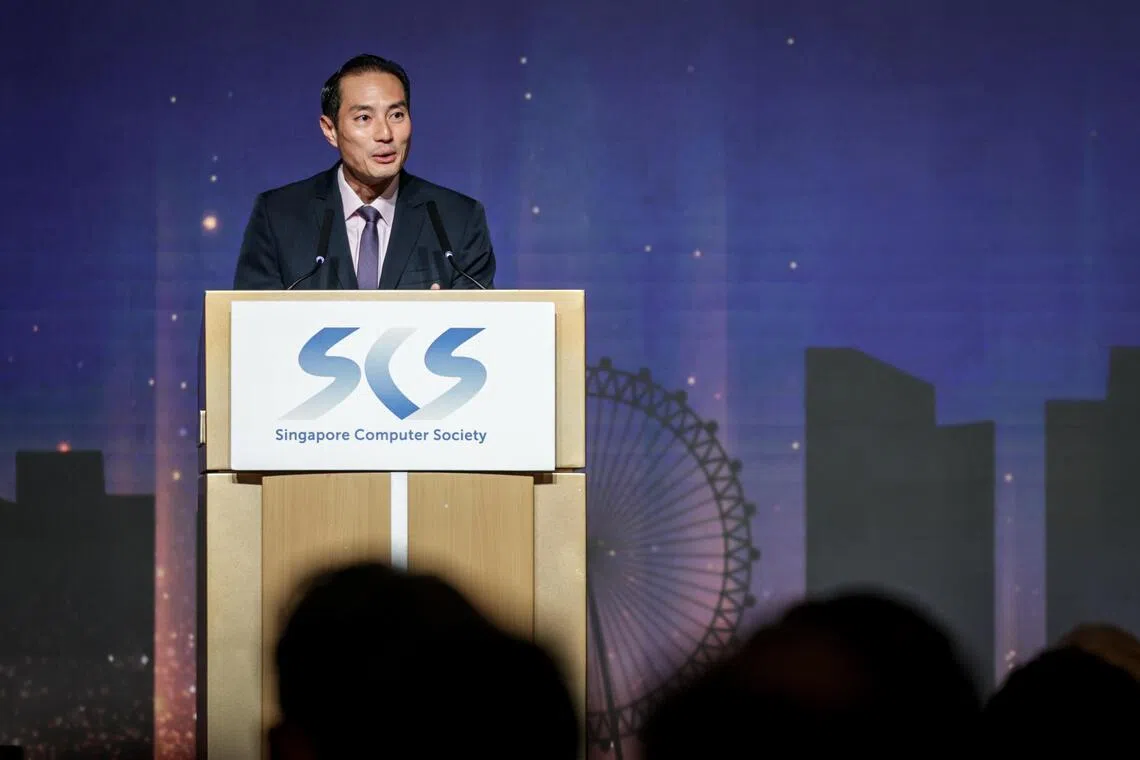
The global race for artificial intelligence dominance is accelerating, and Singapore, a nation known for its foresight and strategic planning, is not merely participating but aiming to lead. By 2029, the city-state has set an audacious goal: to equip 40,000 tech professionals with advanced AI skills, transforming its workforce into a powerhouse capable of automating coding, building sophisticated agentic systems, and driving innovation across industries. This ambitious initiative, spearheaded by the Infocomm Media Development Authority (IMDA), signals a profound commitment to securing Singapore's future in the age of AI.
The announcement, made on May 8, 2026, details a comprehensive training program targeting a wide spectrum of the tech community. This includes experienced software developers looking to integrate AI into their workflows, cybersecurity workers needing to understand AI's implications for defense and offense, and even final-year students across polytechnics, the Institute of Technical Education (ITE), and universities who are studying information technology-related courses. The breadth of this target audience underscores Singapore's holistic approach to AI readiness, recognizing that the technology's impact will be pervasive and require a diverse skill set to harness effectively.
The Strategic Imperative: Why AI Now?
Singapore's drive towards AI proficiency is not a sudden pivot but a natural evolution of its long-standing commitment to technological advancement and economic resilience. As a small, resource-scarce nation, Singapore has historically leveraged human capital and innovation to maintain its competitive edge. The rise of AI presents both immense opportunities and significant challenges. On one hand, AI can boost productivity, create new industries, and solve complex societal problems. On the other, it threatens to disrupt traditional job markets and widen the digital divide if a workforce is unprepared.
The government's strategy is clear: proactively invest in human capital development to turn potential threats into strategic advantages. By focusing on AI-driven automation, particularly in coding, Singapore aims to enhance the efficiency of its software development sector, freeing up human developers for more complex, creative, and high-value tasks. The emphasis on agentic systems – AI programs capable of independent decision-making and goal-oriented action – points towards a future where AI acts as a powerful co-pilot, augmenting human capabilities rather than simply replacing them. This forward-thinking approach positions Singapore not just as a consumer of AI technology, but as a significant developer and innovator.
A Multi-pronged Approach to Skill Development
The IMDA's plan is meticulously designed to cater to different levels of expertise and career stages. For seasoned professionals, the training will likely involve advanced modules on machine learning algorithms, deep learning frameworks, natural language processing, and computer vision, with a strong emphasis on practical application and ethical AI development. Cybersecurity professionals will delve into AI's role in threat detection, vulnerability assessment, and the development of AI-powered defensive mechanisms, while also understanding the risks posed by malicious AI.
For students, the program will integrate foundational AI concepts into existing IT curricula, ensuring that the next generation of tech workers enters the workforce with a strong understanding of AI principles and tools. This early exposure is crucial for fostering a culture of innovation and adaptability. The involvement of polytechnics and ITE, alongside universities, highlights an inclusive strategy that aims to elevate AI literacy across vocational and academic pathways. This ensures a broad base of talent capable of contributing to Singapore's AI ecosystem, from research and development to implementation and maintenance.
The initiative is also expected to foster collaborations between academia, industry, and government, creating a vibrant ecosystem for AI research, development, and deployment. Such partnerships are vital for translating cutting-edge research into practical solutions and for ensuring that training programs remain relevant to industry needs. The goal is not just to teach skills, but to build a self-sustaining cycle of innovation and talent development.
Global Implications and Singapore's Vision
Singapore's bold move carries significant implications beyond its borders. In an increasingly competitive global landscape, nations are vying for leadership in emerging technologies. By committing to such a large-scale AI upskilling program, Singapore sends a clear message about its intent to be a global AI hub. This strategy is likely to attract more foreign investment in AI research and development, draw international tech talent, and solidify its reputation as a testbed for advanced technologies.
Historically, Singapore has excelled at identifying future growth areas and investing heavily in them. From its early focus on manufacturing to its current emphasis on biotechnology and fintech, the nation has consistently adapted and thrived. This AI initiative is another testament to that adaptive spirit. The focus on automating coding and building agentic systems directly addresses critical industry needs, promising to enhance productivity across various sectors, from finance and healthcare to logistics and urban planning. The long-term vision is to create a highly skilled workforce that can not only adopt but also create the next generation of AI technologies, ensuring sustained economic growth and societal progress.
Challenges and the Path Forward
While the ambition is commendable, the execution of such a large-scale program will undoubtedly face challenges. Ensuring the quality and relevance of training, attracting and retaining qualified instructors, and maintaining engagement among 40,000 diverse individuals will require continuous effort and adaptation. Furthermore, the rapid pace of AI development means that curricula must be constantly updated to remain current.
However, Singapore's track record in national-level initiatives suggests a high likelihood of success. The government's strong commitment, coupled with its ability to mobilize resources and foster public-private partnerships, provides a solid foundation. The program's success will be measured not just by the number of people trained, but by the tangible impact on Singapore's economy – increased productivity, new AI-driven enterprises, and a more resilient, future-ready workforce. As 2029 approaches, the world will be watching to see how this small island nation continues to punch above its weight in the global technological arena, setting a benchmark for AI workforce development and demonstrating the power of strategic national investment in human potential.
Stay Informed
Get the world's most important stories delivered to your inbox.
No spam, unsubscribe anytime.
Comments
No comments yet. Be the first to share your thoughts!