Skoda DuoBell: The Innovative Bike Bell Cutting Through Noise-Cancelling Headphones for Safer Cycling
Skoda Auto has unveiled DuoBell, a groundbreaking bicycle bell engineered to overcome the challenge of noise-cancelling headphones. This innovative device utilizes two distinct frequencies to ensure cyclists can alert pedestrians and other road users, significantly enhancing urban safety. Developed with input from cycling safety experts, DuoBell represents a crucial step forward in addressing modern urban mobility hazards. It promises to make cycling safer for everyone, from daily commuters to recreational riders.
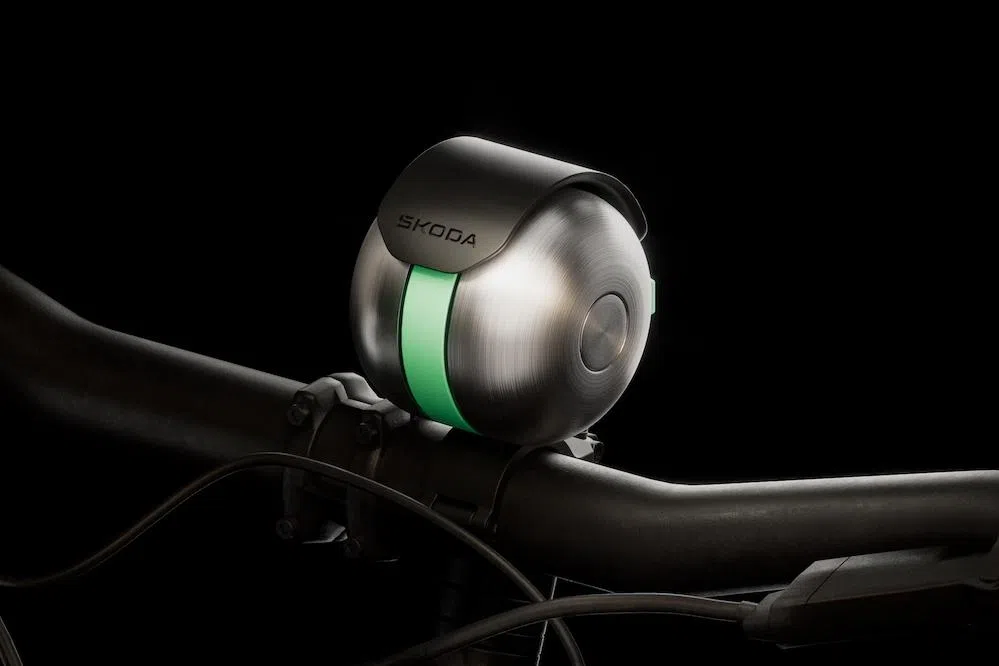
In our increasingly digitized world, where personal audio devices like noise-cancelling headphones have become ubiquitous, the simple act of ringing a bicycle bell can often feel like a futile gesture. Cyclists frequently encounter pedestrians and fellow riders immersed in their private soundscapes, oblivious to traditional warnings. This growing disconnect poses a significant safety challenge in bustling urban environments, leading to countless near-misses and accidents. Recognizing this critical issue, Czech automaker Skoda Auto, a brand synonymous with automotive innovation, has stepped into the cycling safety arena with a surprisingly ingenious solution: the Skoda DuoBell.
The Silent Threat: Noise-Cancelling Technology and Urban Safety
The rise of active noise cancellation (ANC) technology has revolutionized personal audio, offering users an unparalleled escape from ambient noise. While beneficial for focused work or travel, this isolation creates a dangerous blind spot for pedestrians and cyclists. A traditional bike bell, typically operating at a single frequency, often struggles to penetrate the sophisticated algorithms of ANC headphones, rendering its warning ineffective. This phenomenon has been a growing concern for urban planners, cycling advocates, and emergency services alike, as the auditory landscape of cities changes.
Statistics underscore the urgency of this problem. Studies have shown that pedestrians wearing headphones are significantly more likely to be involved in accidents, as their ability to detect approaching vehicles or cyclists is severely compromised. For cyclists, the inability to effectively communicate their presence can lead to sudden evasive maneuvers, collisions, and increased stress. The problem isn't just about the volume of the bell; it's about the frequency and pattern of the sound waves and how they interact with noise-cancelling technology. Traditional bells often fall within a frequency range that ANC systems are designed to suppress, making them virtually inaudible to headphone wearers.
DuoBell: A Symphony of Safety Frequencies
The Skoda DuoBell is not just another bike bell; it's a meticulously engineered safety device. Its core innovation lies in its ability to emit two distinct frequencies simultaneously. One frequency operates in the conventional range, audible to those without headphones, while the second, higher frequency is specifically designed to cut through the active noise cancellation of modern headphones. This dual-frequency approach ensures that the warning sound is perceived by the widest possible audience, regardless of their personal audio choices.
The development process for DuoBell was a collaborative effort, involving not only Skoda's internal innovation hub but also cycling safety experts and acoustics specialists. This multidisciplinary approach allowed for a deep understanding of both cycling dynamics and sound perception. Prototypes were rigorously tested in various urban settings, simulating real-world conditions with individuals wearing a wide array of noise-cancelling headphones from different manufacturers. The goal was to find the optimal combination of frequencies and sound pressure levels that would be effective without being overly jarring or aggressive.
Furthermore, the design of the DuoBell focuses on user experience. It's crafted to be easily integrated onto most bicycle handlebars, maintaining a sleek and unobtrusive profile. The activation mechanism is intuitive, allowing cyclists to quickly and effortlessly signal their presence. This attention to both acoustic effectiveness and practical usability highlights Skoda's commitment to delivering a truly impactful safety solution.
Beyond the Bell: A Broader Look at Cycling Safety Innovations
The DuoBell represents a significant step, but it also fits into a larger trend of innovations aimed at enhancing cycling safety. The past decade has seen a surge in smart cycling accessories, from GPS-enabled lights that project turn signals onto the road to radar systems that alert riders to vehicles approaching from behind. Wearable technology, such as smart helmets with integrated lights and crash detection, is also becoming more common. These advancements collectively aim to create a more robust safety ecosystem for cyclists.
However, the DuoBell addresses a fundamental and often overlooked aspect: direct auditory communication. While visual cues and technological alerts are crucial, the ability to audibly signal one's presence remains a primary line of defense. The challenge of noise-cancelling headphones had created a void in this communication, which DuoBell now seeks to fill. Its success could inspire further research into auditory signaling, perhaps leading to standardized frequencies for safety devices or adaptive sound technologies that adjust to ambient noise levels.
The Future of Urban Mobility: Integration and Awareness
The introduction of the Skoda DuoBell is more than just a product launch; it's a catalyst for a broader conversation about shared urban spaces and mutual responsibility. While technology can provide solutions, public awareness campaigns are equally vital. Educating both cyclists and pedestrians about the implications of noise-cancelling headphones and the importance of situational awareness is paramount. Cities might consider implementing signage or public service announcements encouraging pedestrians to be mindful of their surroundings, especially when wearing isolating audio devices.
Looking ahead, the principles behind DuoBell could be integrated into other forms of urban transport. Electric scooters, e-bikes, and even silent electric vehicles could benefit from adaptive auditory warning systems. The concept of using multiple, specifically tuned frequencies to cut through different types of environmental noise or personal audio devices has wide-ranging applications. Skoda's initiative sets a precedent for how traditional industries can leverage their engineering prowess to address modern societal challenges.
In conclusion, the Skoda DuoBell is a testament to thoughtful innovation addressing a contemporary safety dilemma. By cleverly combining two distinct frequencies, it offers a pragmatic and effective solution to the problem of noise-cancelling headphones impeding cycling safety. This small yet significant device has the potential to make a considerable impact on urban mobility, fostering a safer, more harmonious coexistence between cyclists and pedestrians. As our cities evolve, so too must our tools for navigating them safely, and the DuoBell is a clear indicator of this necessary progression towards a more aware and secure shared environment.
Stay Informed
Get the world's most important stories delivered to your inbox.
No spam, unsubscribe anytime.
Comments
No comments yet. Be the first to share your thoughts!