Smart Security on a Budget: How Accessible Tech is Redefining Home Protection
The landscape of home security is undergoing a significant transformation, moving from expensive, complex systems to affordable, user-friendly smart devices. Innovations like wireless video doorbells and integrated camera bundles are democratizing safety, proving that robust protection doesn't have to break the bank. This shift empowers more homeowners and renters to secure their spaces effectively, challenging the notion that premium security comes with a premium price tag. We delve into how these budget-friendly solutions are making advanced home monitoring accessible to all.
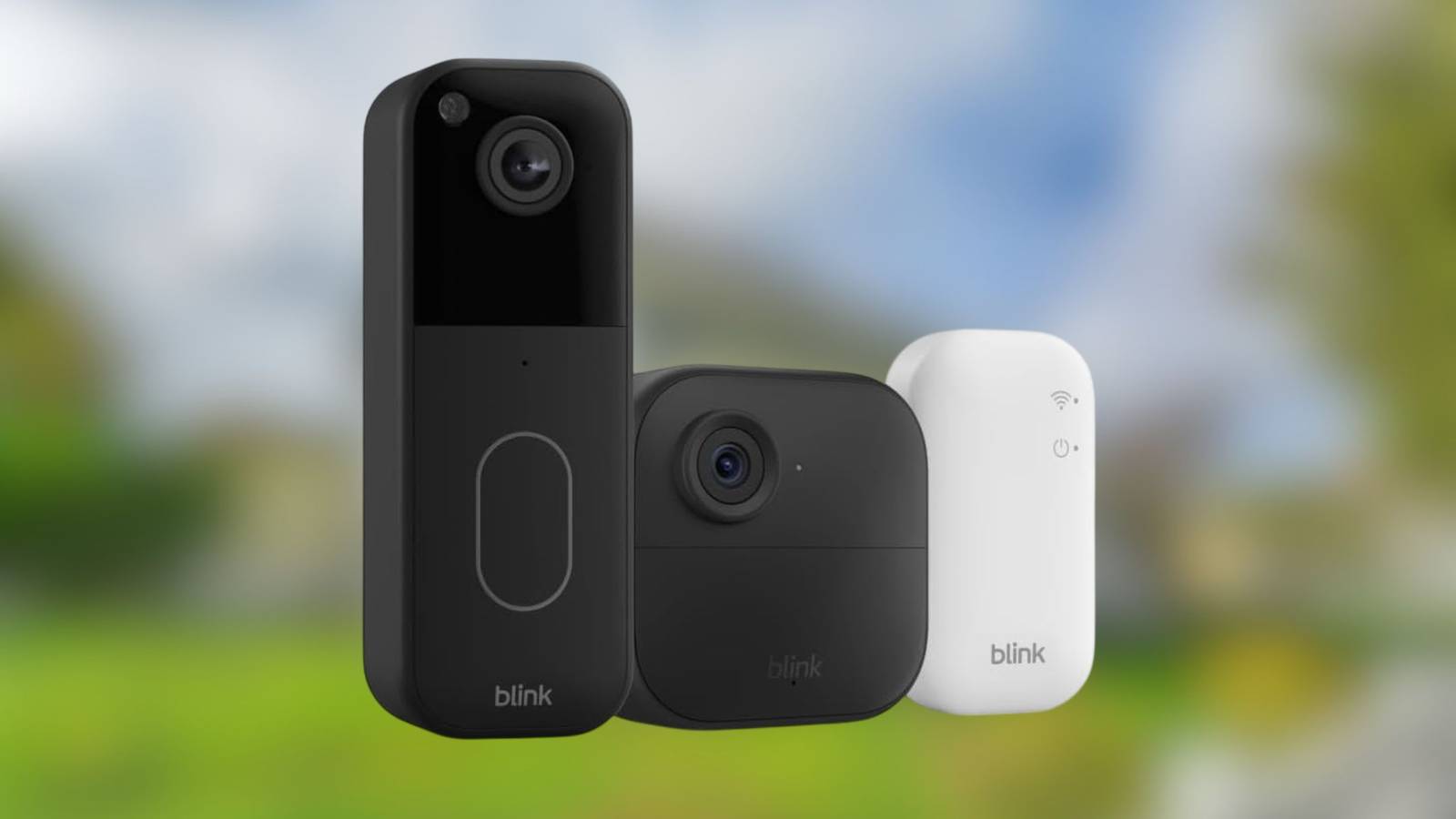
In an era where personal safety and property protection are paramount, the concept of home security has often been synonymous with hefty price tags and professional installations. For decades, comprehensive security systems were a luxury, accessible primarily to those with significant disposable income. However, a quiet revolution has been brewing in the technology sector, fundamentally altering this paradigm. Today, thanks to rapid advancements in smart home technology and fierce market competition, robust home security is no longer an exclusive domain but an attainable reality for the average consumer. The days of compromising on safety due to budget constraints are rapidly becoming a relic of the past, as innovative companies introduce solutions that offer advanced features at surprisingly affordable prices.
The initial barrier to entry for many was the perceived complexity and cost. Traditional systems often involved intricate wiring, long-term contracts, and substantial upfront investments. The idea of adding an "extra set of eyes" to one's home, while appealing, often felt out of reach. Yet, the market has responded with remarkable ingenuity, ushering in an era where devices like wireless video doorbells and compact security cameras are not just effective but also incredibly user-friendly and, crucially, budget-friendly. This shift is not merely about cheaper gadgets; it's about a fundamental redefinition of what constitutes effective home security, emphasizing accessibility, ease of use, and intelligent integration.
The Democratization of Surveillance: Video Doorbells Leading the Charge
At the forefront of this accessibility revolution is the wireless video doorbell. Once a niche product, it has rapidly evolved into a cornerstone of modern home security. Its appeal is multifaceted: it's a visible deterrent, a communication tool, and a surveillance device all rolled into one. For many, it represents the ideal "first step" into smart home security, offering immediate benefits without the need for an entire system overhaul. The ability to see and speak to visitors remotely, receive motion alerts, and record footage directly to cloud storage or local memory provides an unparalleled sense of control and awareness.
Historically, video doorbells were either prohibitively expensive or lacked crucial features like reliable wireless connectivity and high-definition video. Early models often suffered from poor battery life, laggy video feeds, and complicated installation processes. However, contemporary wireless video doorbells have addressed these shortcomings with remarkable success. They now boast extended battery lives, seamless Wi-Fi integration, crisp 1080p or even 2K video quality, and advanced features such as AI-powered person detection, package detection, and even facial recognition. Installation is typically a DIY affair, requiring little more than a screwdriver and a smartphone app, further reducing costs by eliminating professional installation fees. This ease of setup, combined with competitive pricing, has made them an indispensable tool for millions, offering peace of mind whether one is at home, at work, or on vacation.
Beyond the Door: Expanding the Smart Security Ecosystem
While the video doorbell serves as an excellent entry point, the true power of modern budget security lies in its expandability and integration. The market is now flooded with a plethora of complementary devices that work in harmony to create a comprehensive security ecosystem without the premium price tag. Wireless cameras, both indoor and outdoor, are essential components. These cameras offer flexible placement options, often featuring magnetic mounts or simple screw-in bases, and can be easily repositioned as needs change. Many come equipped with night vision, two-way audio, and motion-activated recording, providing continuous monitoring capabilities.
Furthermore, the integration of other smart home devices amplifies the security posture. Smart locks, for instance, allow for keyless entry and remote access control, enabling homeowners to grant temporary access to visitors or service providers without physical keys. Window and door sensors provide an additional layer of perimeter protection, alerting users to unauthorized entry. Smart lighting systems can be programmed to mimic occupancy, deterring potential intruders by creating the impression that someone is home. The beauty of these systems is their modularity; consumers can start with a basic setup and gradually add components as their budget and security needs evolve, avoiding the large, one-time investment often associated with traditional security packages.
Challenging the Status Quo: Overpriced Options and Market Disruption
The emergence of these affordable, high-quality security solutions has put significant pressure on established security companies that have historically commanded high prices for their services. The "jaw-dropping discounts" and bundled offers now prevalent in the market are a direct response to this disruption. Many consumers are realizing that they can achieve comparable, if not superior, levels of security through a combination of well-chosen smart devices, often for a fraction of the cost of a traditional subscription-based service. This shift is forcing older models to adapt, either by lowering prices, enhancing features, or offering more flexible subscription models.
Expert analysis suggests that the market is bifurcating: on one side, highly integrated, professionally monitored systems still cater to a segment willing to pay a premium for white-glove service and advanced features like environmental monitoring (fire, flood detection). On the other, the DIY smart security market is flourishing, driven by tech-savvy consumers who prefer self-monitoring and greater control over their systems. The perceived "overpricing" of many paid options is becoming increasingly evident as budget-friendly alternatives demonstrate their efficacy and reliability. This competitive pressure ultimately benefits the consumer, leading to better products and more accessible security for everyone.
The Future of Home Security: AI, Automation, and Privacy Concerns
Looking ahead, the trajectory of home security points towards even greater integration of Artificial Intelligence (AI) and automation. AI algorithms are becoming increasingly sophisticated, enabling cameras to differentiate between humans, animals, and vehicles, significantly reducing false alarms. Predictive analytics could soon allow systems to identify unusual patterns of activity around a property and proactively alert homeowners or even local authorities. Furthermore, seamless integration with voice assistants like Amazon Alexa and Google Assistant is making system management more intuitive and hands-free.
However, this technological advancement also brings forth critical discussions around privacy and data security. As more devices connect to the internet and collect vast amounts of personal data, safeguarding this information becomes paramount. Consumers must be diligent in choosing reputable brands that prioritize encryption, offer clear privacy policies, and provide options for local data storage where possible. The balance between enhanced security and personal privacy will remain a key challenge and a defining characteristic of future innovations in this space. The industry will need to continually innovate not just in features but also in robust security protocols to maintain consumer trust.
In conclusion, the era of inaccessible and overpriced home security is definitively over. The advent of affordable, feature-rich smart devices, spearheaded by innovations like the wireless video doorbell, has fundamentally reshaped the landscape of home protection. Consumers no longer need to choose between security and their budget; they can now achieve robust, intelligent monitoring solutions that offer peace of mind without financial strain. As technology continues to evolve, promising even smarter, more integrated, and user-centric solutions, the future of home security is not just secure, but also remarkably inclusive, ensuring that everyone has the means to protect what matters most. This ongoing transformation underscores a powerful message: true security is a right, not a luxury, and technological innovation is making that right a reality for all.
Stay Informed
Get the world's most important stories delivered to your inbox.
No spam, unsubscribe anytime.
Comments
No comments yet. Be the first to share your thoughts!