Sony Xperia 1 VIII Unveiled: A Flagship's Evolution Amidst Shifting Tech Tides
Sony has officially launched its Xperia 1 VIII, revealing a new design but retaining a familiar core. The device boasts significant camera upgrades, particularly a four-times larger telephoto sensor, signaling Sony's continued focus on photographic prowess. This release comes as Samsung prepares for its One UI 9 beta, highlighting a dynamic week in the mobile technology sector. Analysts are scrutinizing Sony's strategy in a highly competitive market.
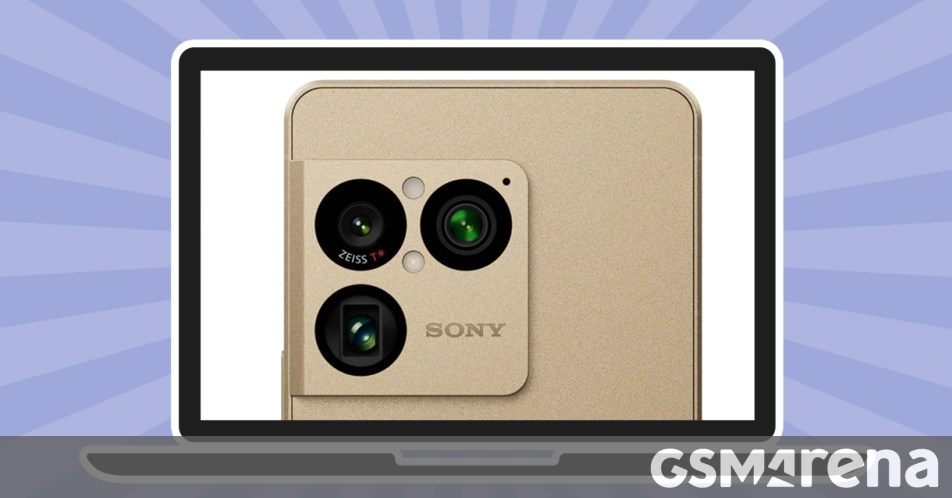
In a week bustling with technological announcements, Sony has once again captured the spotlight with the official unveiling of its Xperia 1 VIII flagship. This latest iteration in Sony's premium smartphone line brings with it a refreshed design aesthetic, yet, intriguingly, maintains what many are calling an 'old core' in terms of its fundamental specifications and underlying philosophy. The announcement has sparked considerable discussion among tech enthusiasts and industry analysts alike, eager to dissect Sony's strategic choices in an increasingly cutthroat market.
A Deep Dive into the Xperia 1 VIII's Photographic Prowess
The most significant and immediately apparent upgrade in the Xperia 1 VIII lies in its camera system, a traditional stronghold for Sony. The device introduces a groundbreaking 1/1.56-inch telephoto camera, a monumental leap forward from its predecessor. This new sensor is not just larger; it boasts four times the resolution compared to the telephoto lens found in the Mark VII. This substantial enhancement underscores Sony's unwavering commitment to delivering a professional-grade photography experience in a smartphone form factor. For years, Sony has leveraged its expertise from its Alpha camera division to differentiate its Xperia series, and the 1 VIII appears to double down on this strategy.
This isn't merely about megapixels; the larger sensor size inherently allows for better light gathering, improved dynamic range, and superior low-light performance. Professional photographers and videographers, who often gravitate towards Xperia devices for their manual controls and advanced imaging capabilities, will likely find this upgrade particularly appealing. The integration of advanced computational photography, a field where competitors like Apple and Google have excelled, will be crucial for Sony to truly capitalize on this hardware advantage. The 48MP telephoto sensor, alongside what is expected to be a suite of other high-performance lenses, positions the Xperia 1 VIII as a serious contender for the title of best camera phone, especially for those who value granular control over their shots.
Design Evolution vs. Core Philosophy: A Balancing Act
While the camera system receives a substantial overhaul, the phrase 'new design, old core specs and idea' encapsulates the broader sentiment surrounding the Xperia 1 VIII. Sony has historically opted for a more utilitarian and professional design language, often prioritizing functionality over flashy aesthetics. The new design, while fresh, is expected to retain elements of this philosophy, focusing on ergonomic comfort, durable build quality, and a distinct visual identity that sets it apart from the sea of curved displays and punch-hole cameras. This approach, while perhaps not universally appealing, resonates deeply with a loyal segment of users who appreciate Sony's unique vision.
However, the 'old core specs' aspect raises questions. In an era where competitors are pushing boundaries with ever-faster processors, larger batteries, and innovative display technologies, Sony's decision to perhaps iterate rather than revolutionize its core hardware might be perceived as a cautious move. This could be a deliberate strategy to optimize existing, proven technology for stability and efficiency, rather than chasing the bleeding edge at the expense of user experience. Or, it could be a sign of Sony's focus on niche markets, where specific features like advanced camera controls and media consumption experiences are prioritized over raw benchmark scores. The Xperia 1 series has always catered to a discerning audience, and the 1 VIII seems to continue this tradition, refining what works rather than reinventing the wheel.
The Broader Ecosystem: One UI 8.5, One UI 9, and the Competitive Landscape
Sony's launch doesn't happen in a vacuum. The same week saw Samsung making significant moves, beginning the rollout of One UI 8.5 to its devices and, more notably, announcing the One UI 9 beta program for the S26 series. These developments from Samsung, a dominant force in the Android ecosystem, highlight the relentless pace of innovation and competition. Samsung's rapid iteration of its custom Android skin, coupled with its aggressive hardware releases, sets a high bar for all other manufacturers.
The announcement of One UI 9 beta for the S26 series is particularly noteworthy. It signals Samsung's forward-looking approach, already preparing for its next generation of flagship devices while current models are still fresh. This creates a dynamic environment where consumers are constantly presented with new choices and advanced features. For Sony, navigating this landscape requires a clear differentiation strategy. While Samsung competes on sheer volume and broad appeal, Sony must continue to carve out its niche by offering unique value propositions, such as its unparalleled camera technology, high-resolution displays, and a more 'pure' Android experience with minimal bloatware.
Implications for Consumers and the Future of Mobile Photography
The Xperia 1 VIII's enhanced telephoto camera could mark a significant turning point for mobile photography. As smartphone cameras increasingly replace dedicated point-and-shoot devices, the demand for versatile and high-quality zoom capabilities grows. Sony's decision to invest heavily in this area suggests a belief that consumers are looking for more than just wide-angle and ultrawide shots; they want the ability to capture distant subjects with clarity and detail. This could push other manufacturers to similarly innovate their telephoto offerings, leading to a new era of advanced zoom capabilities across the industry.
For consumers, the choice becomes more nuanced. Do they opt for the all-rounder appeal of a Samsung or Apple device, or do they lean towards Sony's specialized, pro-oriented approach? The Xperia 1 VIII is not for everyone; it's designed for a specific user who values manual control, cinematic video recording, and a truly exceptional photography experience. Its success will depend on how effectively Sony communicates this unique value proposition and whether its 'old core' can still deliver a compelling overall user experience in 2024 and beyond. The future of mobile photography, it seems, will be defined by both computational wizardry and raw sensor power, a balance Sony is meticulously trying to strike.
In conclusion, the Sony Xperia 1 VIII's debut is a testament to Sony's enduring commitment to its distinct vision for premium smartphones. While the 'old core' might raise eyebrows, the significant advancements in its camera system, particularly the telephoto lens, are a clear statement of intent. As the tech world continues its rapid evolution, Sony's strategy of refinement and specialized excellence will be put to the test against the broader, more aggressive strategies of its competitors. The coming months will reveal if this focused approach can secure its place in the hearts and pockets of discerning tech users.
Stay Informed
Get the world's most important stories delivered to your inbox.
No spam, unsubscribe anytime.
Comments
No comments yet. Be the first to share your thoughts!