Strait of Hormuz Closure: Iran Cites 'Ceasefire Breaches' by US, Israel, Escalating Regional Tensions
Iran's chief negotiator, Mohammad Bagher Ghalibaf, has declared the Strait of Hormuz cannot be reopened, citing 'blatant violations of the ceasefire' by the US and Israel. This statement, made via X, signals a significant escalation in regional tensions and poses a severe threat to global oil supplies and maritime trade. The strategic waterway, crucial for international commerce, remains a flashpoint in the ongoing geopolitical struggle.
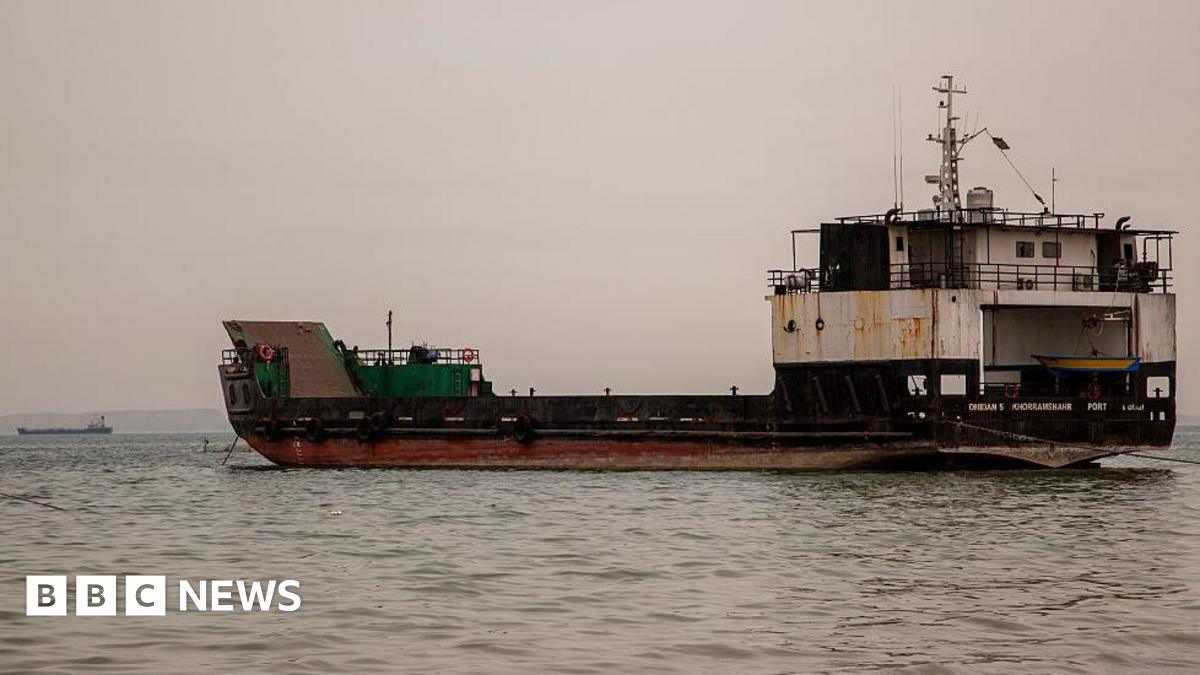
The world watches with bated breath as the Strait of Hormuz, a choke point for a fifth of global oil supply, remains under threat of closure. In a move that has sent ripples of concern across international markets and diplomatic circles, Iran's chief negotiator, Mohammad Bagher Ghalibaf, stated unequivocally that the vital waterway cannot be reopened. His reasoning? "The blatant violations of the ceasefire" by the United States and Israel. This declaration, made on Wednesday via a post on X (formerly Twitter), marks a critical juncture in the already fraught relationship between Iran and Western powers, threatening to plunge the Middle East into further instability and disrupt global energy security.
Ghalibaf's assertion underscores a deepening mistrust and a perceived pattern of aggression from Tehran's perspective. The 'ceasefire' he refers to is not explicitly defined in the source, but it likely pertains to a broader understanding of de-escalation or an unwritten agreement following previous tensions or conflicts in the region. The implication is clear: Iran views the actions of the US and Israel as destabilizing and provocative, justifying its stance on controlling access to one of the world's most strategic maritime passages. The international community now faces the daunting task of deciphering the immediate implications of this statement and formulating a response that can avert a full-blown crisis.
The Geopolitical Chessboard: Hormuz's Strategic Significance
The Strait of Hormuz is more than just a shipping lane; it is a geopolitical linchpin. Connecting the Persian Gulf with the Arabian Sea and the broader Indian Ocean, it is the sole maritime passage for oil exports from major producers like Saudi Arabia, Iran, Iraq, Kuwait, Qatar, and the UAE. Approximately 21 million barrels of oil per day, or about 21% of global petroleum liquids consumption, transited the Strait in 2018, according to the U.S. Energy Information Administration (EIA). Any disruption to this flow would have catastrophic consequences for global energy prices, supply chains, and economic stability. For decades, Iran has periodically threatened to close the Strait in response to sanctions or perceived military threats, using it as a powerful bargaining chip in its interactions with the West.
Historically, the Strait has been a flashpoint. During the Iran-Iraq War (1980-1988), both sides attacked oil tankers in what became known as the "Tanker War." More recently, tensions have flared with attacks on tankers in the Gulf of Oman, drone incidents, and naval confrontations, often attributed to Iran or its proxies, and met with strong condemnation from the US and its allies. The current declaration by Ghalibaf revives these anxieties, reminding the world of Iran's capacity to exert significant pressure on international trade and energy markets. The rhetoric suggests a move from veiled threats to a more explicit declaration of intent, albeit conditional on the actions of other nations.
Iran's Rationale: Perceived Violations and Regional Power Dynamics
What constitutes these "blatant violations of the ceasefire"? While Ghalibaf's post on X lacks specific details, analysts suggest several possibilities. These could include continued US military presence and exercises in the region, ongoing sanctions against Iran, alleged Israeli military operations targeting Iranian assets or proxies in Syria and elsewhere, or even cyber warfare. From Tehran's perspective, these actions undermine any attempts at de-escalation and justify a more assertive posture. Iran often frames its actions as defensive measures against external aggression, aiming to protect its sovereignty and regional influence.
The statement also comes amidst complex regional power dynamics. The Abraham Accords, which normalized relations between Israel and several Arab nations, are viewed by Iran as an attempt to isolate it. The ongoing conflict in Gaza and its spillover effects, including Houthi attacks on shipping in the Red Sea, further complicate the security landscape. Iran's declaration regarding the Strait of Hormuz can be interpreted as a strategic move to regain leverage, demonstrate its resolve, and remind regional and international players of its critical role in Middle Eastern security. It's a clear signal that Iran is willing to escalate if its perceived grievances are not addressed.
International Reactions and Economic Repercussions
The immediate aftermath of such a statement is typically characterized by a surge in oil prices, increased volatility in financial markets, and urgent diplomatic consultations. Global powers, particularly those heavily reliant on Middle Eastern oil, will undoubtedly condemn the move and call for de-escalation. The United Nations Security Council might be convened, and international bodies will likely issue statements urging all parties to exercise restraint and uphold the principles of freedom of navigation.
Economically, the implications are dire. A prolonged closure or even a credible threat of closure of the Strait of Hormuz would send crude oil prices soaring, potentially triggering a global recession. Shipping insurance premiums for vessels transiting the Gulf would skyrocket, making trade prohibitively expensive. This would not only impact oil and gas but also other goods transported through the region. Nations like China, India, Japan, and European countries, which are major importers of Middle Eastern energy, would be particularly vulnerable to such disruptions. The statement serves as a stark reminder of the fragile interconnectedness of the global economy and its dependence on stable energy supplies.
The Path Forward: Diplomacy or Confrontation?
The declaration by Mohammad Bagher Ghalibaf presents a critical challenge to international diplomacy. The immediate priority will be to de-escalate the situation and find a diplomatic off-ramp. This would likely involve intense back-channel negotiations, potentially mediated by neutral parties, to clarify Iran's demands and address its concerns. The US and its allies will need to carefully weigh their responses, balancing the need to protect freedom of navigation with the imperative to avoid military confrontation.
However, the history of US-Iran relations suggests that a quick resolution is unlikely. Both sides are deeply entrenched in their positions, and trust is at an all-time low. The possibility of miscalculation or accidental escalation remains high. The international community must exert concerted pressure on all parties to engage in constructive dialogue, emphasizing the devastating consequences of a military conflict in such a vital region. Maintaining open lines of communication and exploring avenues for confidence-building measures will be paramount to navigate this precarious situation. The world holds its breath, hoping that diplomacy can prevail over the brinkmanship that currently defines the Strait of Hormuz.
Ultimately, the future of the Strait of Hormuz, and by extension, global energy security, hinges on the ability of regional and international actors to find common ground. Without a genuine commitment to de-escalation and a clear understanding of each other's red lines, the risk of a major confrontation remains a terrifying possibility, with untold consequences for the global economy and international peace.
Stay Informed
Get the world's most important stories delivered to your inbox.
No spam, unsubscribe anytime.
Comments
No comments yet. Be the first to share your thoughts!