Subnautica 2's EULA Sparks Player Outcry Over Ownership and Content Rights
The early access launch of Subnautica 2, despite strong sales, has been overshadowed by a wave of negative Steam reviews. Players are expressing significant concern and regret over the game's End-User License Agreement (EULA), which many interpret as an unprecedented seizure of player-created content and a limitation on ownership. This controversy highlights a growing tension between game developers and their communities regarding digital rights and intellectual property in the evolving landscape of interactive entertainment.
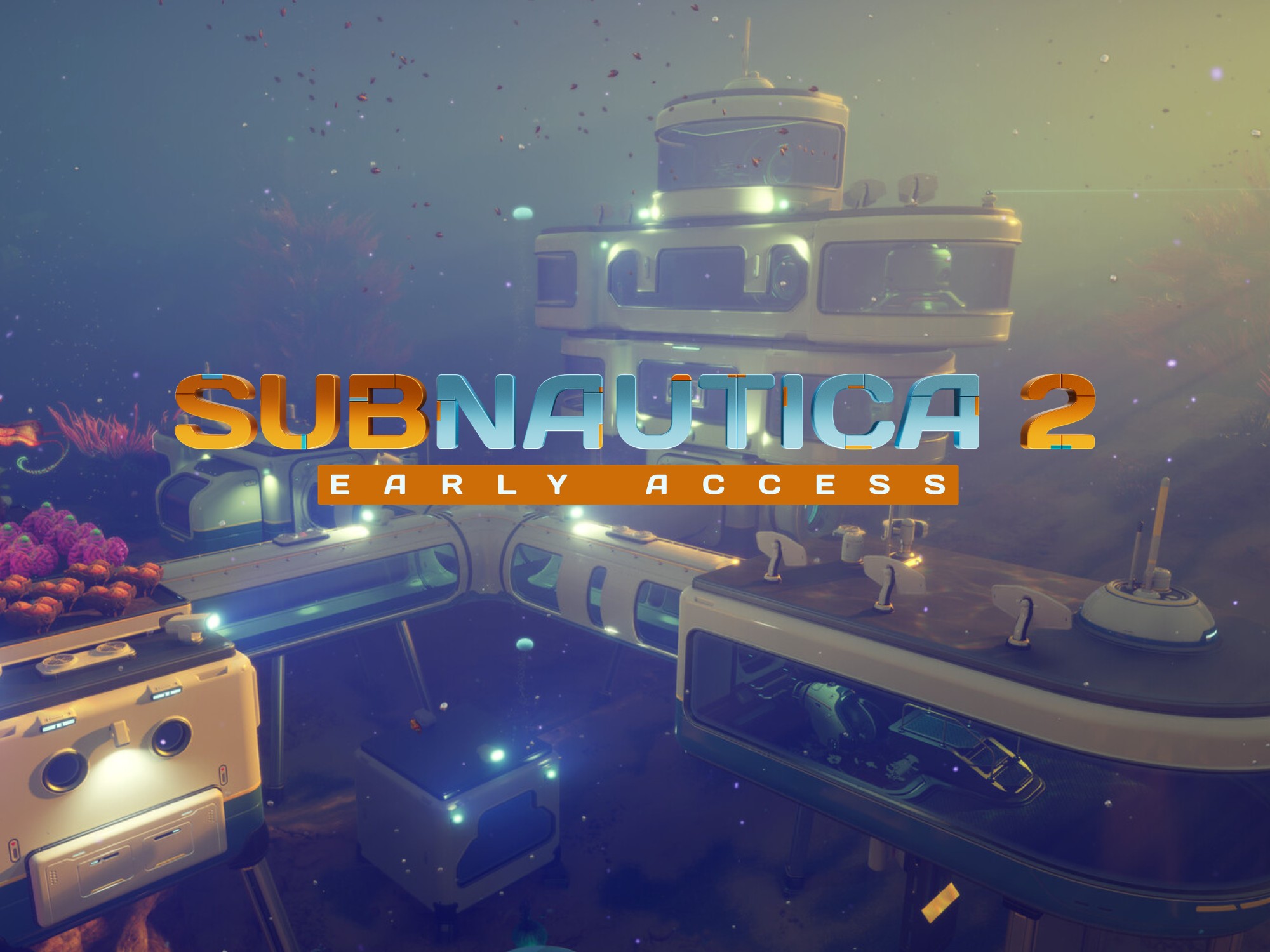
The highly anticipated early access debut of Subnautica 2 was, by all initial accounts, a resounding success. Impressive player counts and robust sales figures painted a picture of a triumphant return for the beloved underwater exploration franchise. However, beneath the surface of this initial acclaim, a brewing storm has erupted, threatening to capsize the goodwill generated by the game's release. A growing chorus of negative reviews on Steam is not targeting gameplay bugs or performance issues, but rather a far more fundamental and contentious aspect: the game's End-User License Agreement (EULA).
Players, many of whom are long-time fans of the series, are expressing profound dismay and even regret over the terms of service they unwittingly agreed to. The EULA, they argue, contains clauses that are unusually restrictive, effectively relinquishing ownership of player-created content to the publisher and imposing significant limitations on how players can share, monetize, or even discuss their in-game experiences. This controversy has ignited a fierce debate within the gaming community, questioning the boundaries of digital ownership, intellectual property, and the evolving relationship between developers and their player base.
The Heart of the Controversy: EULA Clauses Under Scrutiny
At the core of the player backlash are specific clauses within the Subnautica 2 EULA that many perceive as an aggressive grab for user-generated content (UGC). While the exact wording of the EULA is often dense and legalistic, player interpretations and analyses circulating online point to provisions that grant the game's publisher, Unknown Worlds (or its parent company, Krafton), broad, perpetual, irrevocable, and royalty-free licenses to use, modify, and distribute any content created by players within or in relation to the game. This includes, but is not limited to, screenshots, videos, livestreams, mods, fan fiction, and even strategy guides.
For many content creators, streamers, and modders, this is a significant red flag. The ability to create and share content, often monetizing it through platforms like YouTube or Twitch, is a vital part of the modern gaming ecosystem. A EULA that appears to claim ownership or severely restrict the commercial exploitation of such content directly impacts their livelihood and creative freedom. Furthermore, the perceived lack of clarity on what constitutes 'in relation to the game' leaves many feeling vulnerable to potential legal challenges should they create content that the publisher deems outside the scope of their permitted use, even if it's transformative or critical.
Historical Context: EULAs and the Gaming Landscape
EULAs have always been a contentious but largely accepted part of the software industry. They are legal contracts that define the terms under which a user can use a piece of software. Historically, they've covered aspects like intellectual property rights, disclaimers of warranty, limitations of liability, and restrictions on reverse engineering or unauthorized distribution. However, the nature of gaming has evolved dramatically, especially with the rise of online multiplayer, user-generated content, and the creator economy.
In the early days of PC gaming, EULAs were often overlooked. Players clicked 'agree' without much thought, eager to dive into their new digital worlds. But as games became more interactive, social, and allowed for extensive player modification and content creation, the clauses within these agreements gained new significance. The modding community, in particular, has thrived on the ability to alter and expand games, often adding years to a game's lifespan. Similarly, streaming and video content creation have become integral to game promotion and community building. Developers and publishers have generally adopted a hands-off approach, implicitly or explicitly allowing these activities to flourish, understanding their symbiotic relationship with game popularity.
However, there have been flashpoints. Mojang's stance on Minecraft's EULA and commercial servers, for instance, caused significant debate but ultimately led to a clearer policy that balanced player creativity with fair use. More recently, controversies surrounding NFTs and blockchain integration in games have also brought EULAs into sharp focus, as players grapple with new forms of digital ownership and monetization. The Subnautica 2 situation, while not involving blockchain, taps into similar anxieties about control and ownership in the digital realm.
Expert Analysis and Implications for the Industry
Legal experts specializing in intellectual property and digital rights often highlight the inherent power imbalance in EULAs. They are typically take-it-or-leave-it contracts, presented to the user with no room for negotiation. While courts generally uphold EULAs, overly broad or unconscionable clauses can be challenged. The key question in the Subnautica 2 case will be whether the clauses are considered standard industry practice or if they cross a line into unreasonable overreach.
"Publishers have a legitimate interest in protecting their intellectual property and ensuring that user-generated content doesn't infringe on their rights or damage their brand," explains Dr. Anya Sharma, a digital rights attorney. "However, claiming broad ownership over all player-created content, especially that which is transformative or exists outside the direct game engine, can stifle creativity and alienate a crucial part of their community. It's a delicate balance." She adds that such clauses could also be seen as an attempt to monetize player creativity without compensation, which could set a troubling precedent.
The implications for players are significant. Content creators might be deterred from making videos or mods for Subnautica 2, fearing that their work could be claimed or used by the publisher without credit or payment. This could lead to a less vibrant community around the game, impacting its long-term appeal and sales. For the industry as a whole, this could signal a shift towards more restrictive EULAs, potentially chilling the innovative and collaborative spirit that has defined much of modern gaming.
The Community's Response and the Path Forward
The immediate response from the Subnautica community has been one of alarm and a call for clarification or revision of the EULA. Many players are urging others to refrain from purchasing the early access version until the terms are addressed. Review bombing, a controversial but often effective tactic, is being employed to draw attention to the issue. Forums and social media are abuzz with discussions, with some fans defending the EULA as standard practice, while others view it as an unacceptable overreach.
Some argue that many games have similar EULA clauses, and players simply haven't noticed. While this might be true to some extent, the sheer volume and specificity of the negative feedback for Subnautica 2 suggest that players perceive this EULA as particularly egregious or, at the very least, as a stark example of a broader problem. The controversy is forcing a spotlight on the often-ignored legal documents that govern our digital lives.
Moving forward, the onus is on Unknown Worlds and Krafton to address these concerns. A clear, transparent explanation of the EULA's intent, perhaps accompanied by a revision of the most contentious clauses, could go a long way in rebuilding trust. Engaging with the community, perhaps through a public Q&A or a detailed policy statement, would demonstrate a commitment to player rights. Failure to do so risks alienating a dedicated fanbase and potentially damaging the long-term prospects of what could otherwise be a highly successful title. The Subnautica 2 EULA saga serves as a potent reminder that in the digital age, the relationship between creators and consumers is constantly being redefined, and transparency and fairness remain paramount.
Stay Informed
Get the world's most important stories delivered to your inbox.
No spam, unsubscribe anytime.
Comments
No comments yet. Be the first to share your thoughts!