Thailand's Tourism Tightrope: Balancing Freedom with Cultural Respect Amid Public Indecency Crackdown
Thailand is grappling with a surge in public indecency incidents involving foreign tourists, prompting authorities to vow stricter oversight. These acts, including a recent public sex incident in a tuk-tuk, are damaging the nation's carefully cultivated image as a welcoming, culturally rich destination. The government faces the delicate task of enforcing respect for local customs without alienating the vital tourism sector, which contributes significantly to its economy.
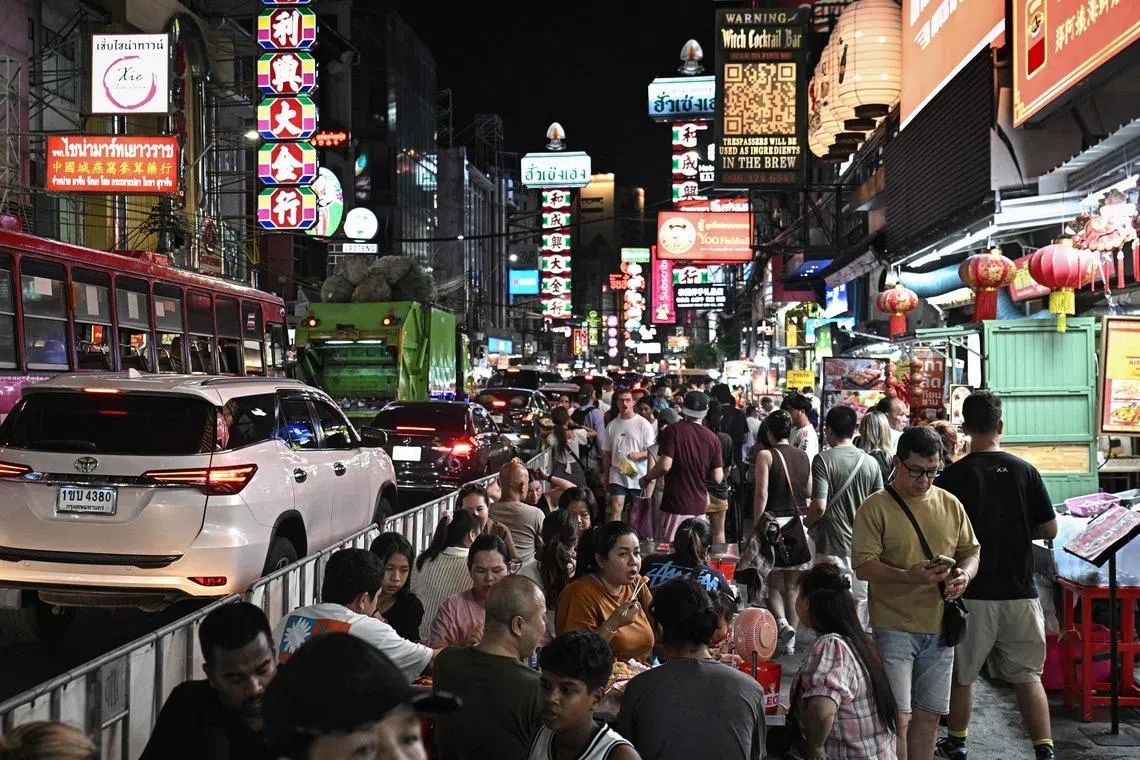
BANGKOK – The Land of Smiles is frowning. Thailand, a nation whose economy is inextricably linked to its vibrant tourism industry, finds itself at a critical juncture, wrestling with a growing challenge: a spate of public indecency incidents involving foreign visitors. These acts, ranging from public nudity to sexual encounters in plain sight, are not merely isolated transgressions but are increasingly seen as a direct affront to Thai cultural values and a tangible threat to the country's global image. The government, acutely aware of the stakes, has vowed to tighten oversight, signaling a potential shift in how it manages the millions who flock to its shores annually.
The catalyst for the latest wave of concern was a highly publicized incident on May 4, involving a couple reportedly engaging in a sexual act in a tuk-tuk in a bustling tourist area. This was not an anomaly but rather the latest in a series of similar occurrences that have sparked outrage among locals and prompted a swift response from authorities. On May 6, officials from the Ministry of Tourism and Sports, alongside law enforcement, publicly declared their intent to implement stricter measures, emphasizing that such behavior "damages the country's image" and undermines the very essence of Thai hospitality.
The Economic Lifeline and Cultural Fabric
Tourism is not just an industry in Thailand; it is a national economic pillar. Before the COVID-19 pandemic, the sector accounted for nearly 20% of the country's GDP, directly employing millions and indirectly supporting countless more. In 2019, Thailand welcomed almost 40 million international visitors, generating revenue exceeding $60 billion. While the numbers dipped significantly during the pandemic, the country has been aggressively working to reclaim its status as a top global destination, with projections for 2024 anticipating over 35 million arrivals. This economic reliance creates a delicate balancing act for policymakers: how to ensure cultural preservation and public order without deterring the very tourists who fuel the economy.
Thai culture is deeply rooted in Buddhism, emphasizing respect, modesty, and public decorum. The concept of kreng jai (deference to others' feelings) and the importance of maintaining jai yen (a cool heart or calm demeanor) are fundamental. Public displays of affection, let alone explicit sexual acts, are considered highly inappropriate and offensive. For many Thais, these incidents are not just minor nuisances but represent a profound disrespect for their traditions and way of life. The perception that some tourists view Thailand as a playground without rules is a source of growing resentment.
A History of Managing Tourist Behavior
This isn't the first time Thailand has grappled with the challenges posed by diverse tourist behaviors. Over the decades, as its popularity soared, the nation has seen its share of controversies, from full moon parties spiraling out of control to environmental degradation caused by mass tourism. In response, authorities have previously implemented various campaigns and regulations, such as stricter rules on alcohol consumption on beaches, crackdowns on illegal tour operators, and efforts to promote responsible tourism. However, the current wave of public indecency seems to present a more direct challenge to the nation's moral fabric.
One of the difficulties lies in enforcement. With millions of visitors arriving annually, monitoring every individual's behavior is an impossible task. The reliance often falls on local businesses, tour guides, and even fellow tourists to report inappropriate conduct. However, fear of negative publicity or economic repercussions can sometimes lead to underreporting. The government's new vow suggests a more proactive approach, potentially involving increased police patrols in tourist hotspots, clearer signage regarding acceptable conduct, and more stringent penalties for offenders.
Expert Analysis and Implications
Dr. Supaporn Pattana, a cultural anthropologist specializing in Southeast Asian studies, notes, "These incidents highlight a fundamental disconnect. Many tourists arrive with a 'holiday mentality' where they believe social norms are relaxed, particularly in destinations perceived as exotic or permissive. However, they often fail to distinguish between a welcoming atmosphere and a license for impropriety. Thailand's challenge is to educate without alienating, to enforce without appearing unwelcoming." She suggests that more prominent and multilingual educational campaigns at points of entry and through digital platforms could be crucial.
The implications of these incidents are far-reaching. Beyond the immediate damage to Thailand's reputation, there's a risk of "tourism fatigue" among the local population. If residents feel their culture is being disrespected and their public spaces are being defiled, it could lead to a backlash against tourism, potentially impacting the very hospitality that draws visitors in the first place. Furthermore, a perceived lack of safety or decorum could deter certain segments of the tourist market, particularly families and older travelers, who often seek a more serene and culturally enriching experience.
The Path Forward: Education, Enforcement, and Engagement
Moving forward, Thailand's strategy will likely involve a multi-pronged approach:
* Enhanced Education: Implementing clearer, more visible campaigns at airports, hotels, and popular attractions, outlining expected behavior and cultural sensitivities. This could include digital campaigns targeting tourists before they even arrive. * Stricter Enforcement: Increasing police presence in high-risk areas and ensuring that laws against public indecency are consistently applied. This might involve higher fines, temporary bans from certain areas, or even deportation for severe offenses. * Community Engagement: Empowering local communities to report incidents and fostering a sense of shared responsibility in maintaining public decorum. This could also involve training for tourism operators to better inform their clients. * Promoting Responsible Tourism: Shifting marketing efforts to attract tourists who are genuinely interested in experiencing Thai culture respectfully, rather than solely those seeking hedonistic pursuits.
The aim is not to transform Thailand into a puritanical state but to reinforce the message that while the country is open and welcoming, it expects visitors to adhere to a baseline of respect for local customs and laws. The Ministry of Tourism and Sports, alongside the Royal Thai Police, faces the unenviable task of walking this tightrope, ensuring that the allure of Thailand remains strong while its cultural integrity remains intact.
Ultimately, the success of these measures will depend on their consistent application and the willingness of tourists to understand and respect the cultural nuances of their host country. Thailand's future as a premier global destination hinges not just on its natural beauty and hospitality, but also on its ability to maintain its dignity in the face of evolving tourist behaviors. The current crackdown is a clear signal: come to Thailand, enjoy its wonders, but do so with respect. The Land of Smiles wants to keep smiling, but it demands reciprocal courtesy from its guests.
Stay Informed
Get the world's most important stories delivered to your inbox.
No spam, unsubscribe anytime.
Comments
No comments yet. Be the first to share your thoughts!