The 32-Inch Wheel Debate: Why Bigger Isn't Always Better for Gravel Bikes
The cycling industry is pushing 32-inch wheels as the next big innovation for gravel bikes, but many experts and riders question their practicality. This article delves into why these massive wheels, traditionally found on mountain bikes, might be an unnecessary and even detrimental development for the diverse world of gravel riding. We explore the trade-offs in maneuverability, weight, and component availability, arguing that the current 700c and 650b standards offer a more balanced solution for most gravel enthusiasts.
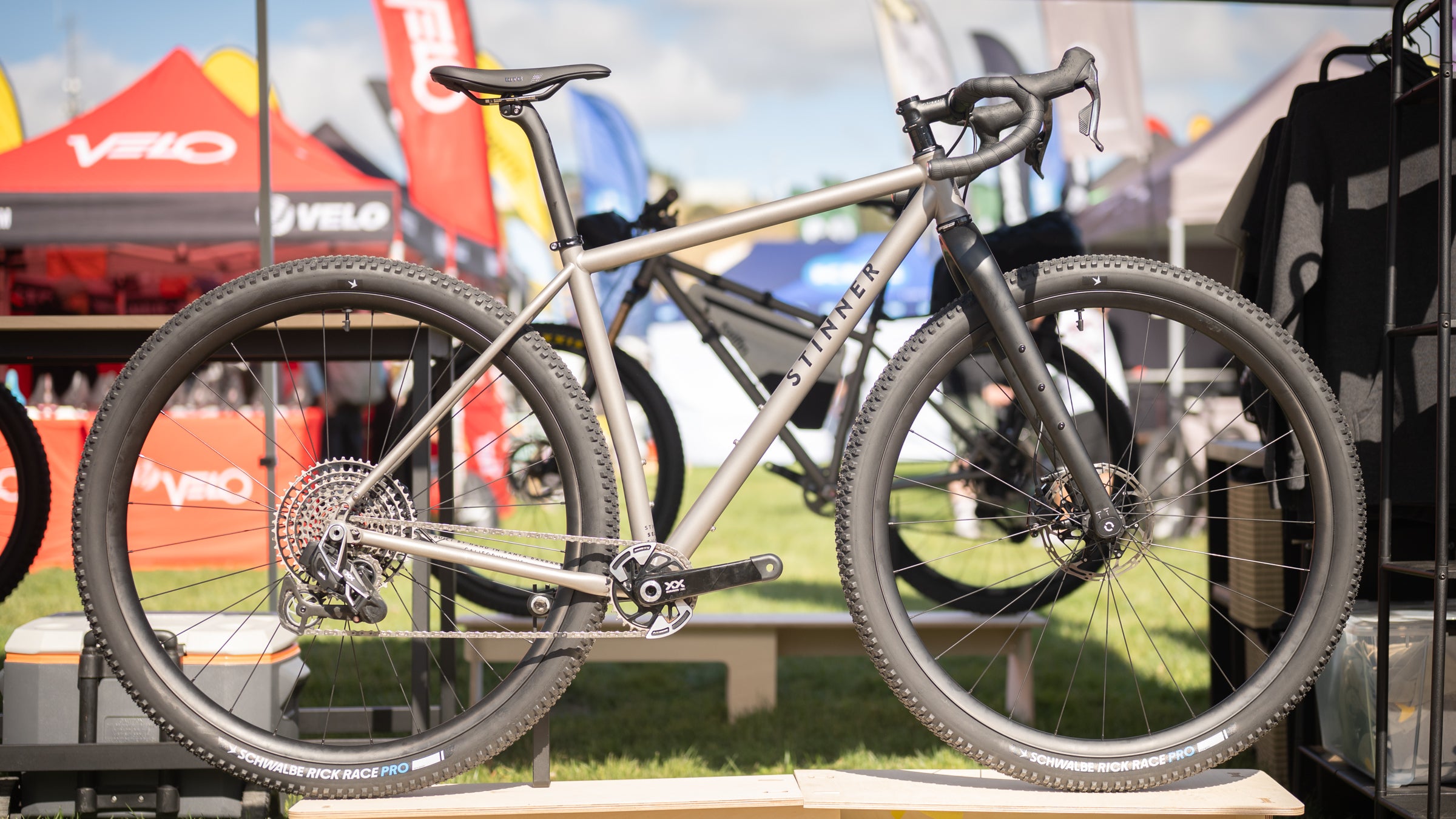
The cycling world is no stranger to innovation, often driven by a relentless pursuit of performance and market differentiation. From carbon fiber frames to electronic shifting, each new development promises to revolutionize the riding experience. The latest buzz, however, centers around a rather colossal proposition: 32-inch wheels for gravel bikes. While the industry, particularly at events like Sea Otter, seems to be coalescing around this idea as an inevitable future, a closer look reveals a complex debate with significant implications for the everyday gravel rider. Is this truly a leap forward, or a solution in search of a problem?
The Allure of Bigger Wheels: A Mountain Bike Legacy
The concept of larger wheels isn't new to cycling. The mountain bike world has seen its own evolution, moving from 26-inch to 29-inch (often referred to as 700c in road/gravel terms) as the dominant standard. The rationale behind this shift was clear: larger wheels offer a greater contact patch, improving traction and stability over rough terrain. They also roll over obstacles more smoothly, maintaining momentum and reducing the impact of bumps and roots. For aggressive trail riding and downhill, the benefits of 29-inch wheels are well-established, providing a 'monster truck' feel that can conquer almost anything.
It's this mountain bike heritage that seems to be inspiring the push for 32-inch wheels in the gravel sector. The thinking goes: if bigger is better for mountain biking, then even bigger must be better for gravel, especially as gravel routes become increasingly technical and challenging. Manufacturers envision a future where riders can tackle truly gnarly terrain on bikes that blur the lines between traditional gravel and light-duty mountain biking. The promise is enhanced stability, improved roll-over capability, and perhaps a smoother ride on the most unforgiving surfaces. However, gravel riding encompasses a far broader spectrum of terrain and rider preferences than just extreme conditions, and this is where the 32-inch proposition begins to unravel.
The Unseen Trade-offs: Maneuverability, Weight, and Geometry
While the theoretical advantages of 32-inch wheels might sound appealing, the practical implications for gravel riding introduce a host of significant trade-offs. The most immediate concern is maneuverability. Larger wheels inherently possess a greater gyroscopic effect, making them more stable at speed but also slower to turn and harder to accelerate. On winding gravel roads, tight singletrack, or technical descents that demand quick changes of direction, a 32-inch wheel could feel cumbersome and sluggish. For many gravel riders who value the playful, nimble feel of their bikes, this could be a deal-breaker.
Another critical factor is weight. A larger wheel requires more material for the rim, spokes, and tire, inevitably leading to increased rotational mass. This added weight directly impacts acceleration, climbing efficiency, and overall bike handling. While professional racers might tolerate a slight weight penalty for perceived performance gains, the average gravel enthusiast, who often carries bikepacking gear or simply enjoys a lively ride, will likely feel the drag. Consider a fully loaded bikepacking setup – adding extra rotational weight makes an already heavy bike even more challenging to pilot.
Furthermore, integrating 32-inch wheels into existing or new bike geometries presents considerable challenges. Frame and fork clearances would need to be significantly altered, potentially leading to longer chainstays, slacker head tube angles, and higher bottom brackets. While some of these changes might benefit extreme off-road capability, they could compromise the balanced, versatile geometry that defines many popular gravel bikes. A higher bottom bracket, for instance, could reduce stability, while longer chainstays might make the bike less responsive. The delicate balance between speed, comfort, and agility that gravel bikes strive for would be disrupted.
The Realities of Gravel: Diversity and Accessibility
Gravel riding is celebrated for its incredible diversity. It's not just about conquering impossible trails; it's about exploring forgotten backroads, embarking on multi-day bikepacking adventures, commuting on mixed surfaces, and enjoying social rides with friends. The current standards of 700c (with tire widths typically from 35mm to 50mm) and 650b (allowing for wider, higher-volume tires up to 50mm or more) offer a fantastic range of options that cater to this broad spectrum of riding styles and terrain.
* 700c wheels excel at maintaining speed and rolling efficiency on smoother gravel, paved sections, and long distances. They are the go-to for many endurance and race-oriented gravel riders. * 650b wheels (also known as 27.5-inch) provide a more nimble feel, greater tire volume for comfort and traction, and are often preferred for more technical terrain, shorter riders, or those seeking a more playful ride.
This established ecosystem provides riders with choices that genuinely match their needs. Introducing a 32-inch standard risks fragmenting the market and forcing riders into a niche solution that may not be optimal for their primary use cases. For the vast majority of gravel riders who spend their time on well-maintained gravel roads, forest paths, and occasional singletrack, the benefits of 32-inch wheels are likely outweighed by the drawbacks. They simply don't need the extreme roll-over capability at the expense of agility and responsiveness.
The Industry's Push: Innovation for Innovation's Sake?
The cycling industry has a vested interest in continuous innovation. New standards, new technologies, and new product categories drive sales and maintain market excitement. Sometimes, these innovations are genuinely transformative; other times, they represent a solution looking for a problem. The push for 32-inch gravel wheels could fall into the latter category.
Consider the practical challenges for consumers: a new wheel size means new wheels, new tires, and potentially new frames and forks. This represents a significant financial investment for riders, who might already own a perfectly capable gravel bike. Furthermore, component availability would be a major hurdle. It takes time for manufacturers to develop and stock a wide range of tires, rims, and accessories for a new standard. Early adopters might find themselves with limited choices and higher prices.
While the industry might point to the 'inevitability' of 32-inch wheels, it's crucial to distinguish between genuine progress and market-driven novelty. A truly beneficial innovation addresses a clear need or significantly enhances the riding experience without undue compromise. For gravel, the existing wheel sizes, combined with the incredible advancements in tire technology (tubeless, varied tread patterns, durable casings), already offer an unparalleled level of performance and versatility.
Conclusion: A Balanced Perspective for the Future of Gravel
The debate around 32-inch wheels for gravel bikes highlights a fundamental tension between industry ambition and rider reality. While the allure of 'bigger and better' is strong, the practical implications for the diverse world of gravel riding suggest that this particular innovation may be a misstep for the mainstream. For a very specific, niche segment of riders tackling truly extreme terrain, 32-inch wheels might offer some advantages. However, for the vast majority of gravel enthusiasts who value versatility, agility, and a balanced ride, the current 700c and 650b standards, coupled with evolving tire technology, remain the superior choice.
As PulseWorld continues to monitor these industry trends, our analysis suggests that riders should approach the 32-inch wheel proposition with a critical eye. Don't be swayed by marketing hype alone. Consider your riding style, your preferred terrain, and the existing capabilities of your current setup. The future of gravel cycling lies not just in pushing boundaries, but in providing practical, accessible, and genuinely enjoyable solutions for its incredibly diverse community. Sometimes, the best innovation is refining what already works exceptionally well, rather than chasing the next big thing for its own sake.
Stay Informed
Get the world's most important stories delivered to your inbox.
No spam, unsubscribe anytime.
Comments
No comments yet. Be the first to share your thoughts!