The $78 Million Lottery Ticket That Left a Texas Shop Empty-Handed: A Tale of Rules and Riches
Gordon's Bait & Tackle, a venerable Brownsville institution, sold a winning $78 million lottery ticket but received no commission. Owner Gary Williams is grappling with Texas Lottery rules that deny retailers a bonus for jackpot wins on tickets purchased with a 'free play' or promotional credit. This incident highlights the complex and often overlooked regulations governing lottery payouts, sparking debate over fairness for small businesses.
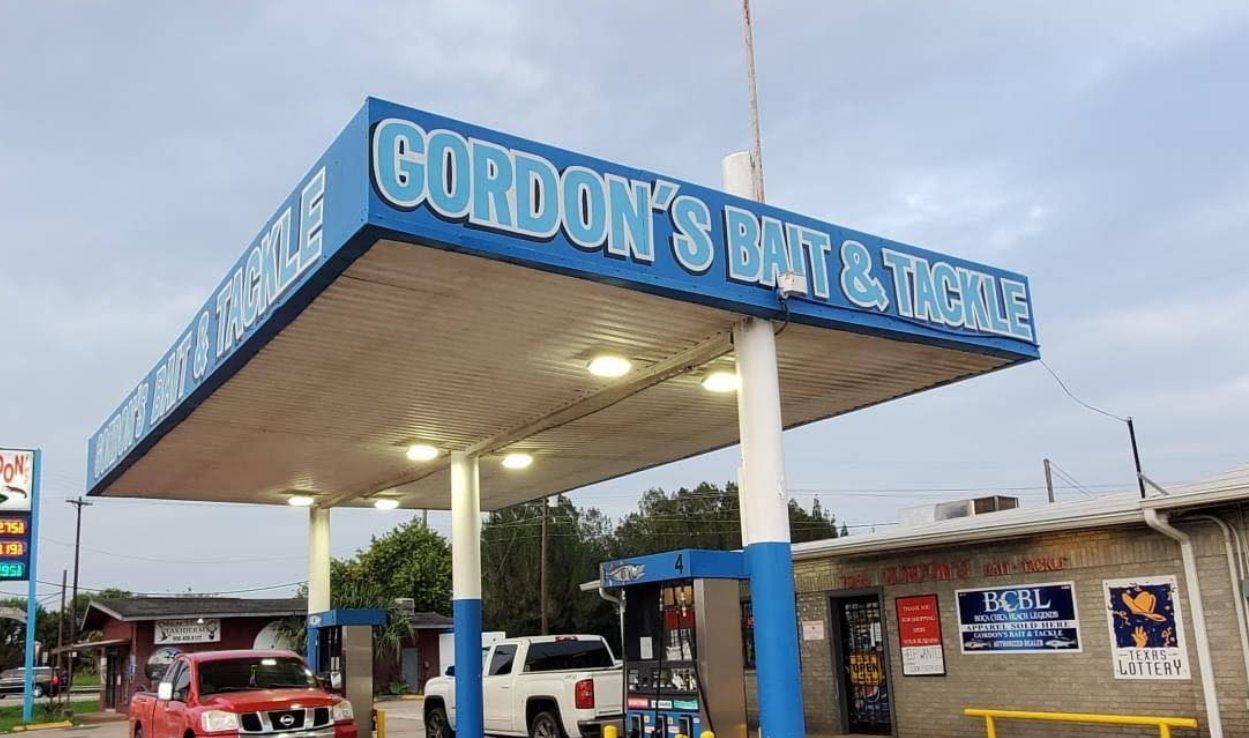
In the quiet, sun-drenched city of Brownsville, Texas, a story has unfolded that perfectly encapsulates the bittersweet irony of fate, leaving a local institution grappling with a harsh reality. Gordon's Bait & Tackle, a beloved convenience store and gas station that has served its community since 1957, recently sold a winning lottery ticket worth a staggering $78 million. For most retailers, this would be cause for celebration, a substantial commission, and a significant boost to local morale. Yet, for owner Gary Williams, 67, the monumental win brought not a single cent of bonus, exposing a peculiar loophole in Texas Lottery regulations that has left him, and many observers, questioning the fairness of the system.
The Unpaid Jackpot: A Retailer's Dilemma
The narrative began last Friday night when Williams, a man whose family has nurtured Gordon's Bait & Tackle since his father, Gordon, purchased it in 1972, believed he had hit a 'mini-jackpot' of his own. The news that his humble shop had produced a multi-million dollar winner should have translated into a handsome commission, typically 1% of the jackpot in many states, which would have been a life-changing $780,000 for Williams. This sum could have secured the future of his long-standing business, provided for his family, and perhaps even allowed for a well-deserved retirement. Instead, he was informed by the Texas Lottery Commission that because the winning ticket was purchased using a 'free play' credit – a prize from a previous, smaller win – his store was ineligible for the retailer bonus. The official reasoning states that commissions are only awarded for tickets purchased with cash, credit, or debit, not promotional credits.
This rule, while perhaps clear in the fine print, is anything but intuitive for the average retailer or consumer. Williams expressed his profound disappointment, stating, “I think it’s unfair. We sold the ticket, we provided the service, we should get the commission.” His sentiment resonates deeply within the small business community, where every percentage point of profit can mean the difference between thriving and merely surviving. The incident has thrust Gordon's Bait & Tackle, a place known more for fishing supplies and friendly banter than lottery controversies, into the national spotlight, igniting a broader conversation about the ethical responsibilities of state lotteries towards their retail partners.
A History of Commissions and Controversies
Retailer commissions on lottery sales are a cornerstone of the lottery ecosystem. They incentivize businesses, often small, independent shops, to sell tickets, promoting the games and making them accessible to the public. These commissions typically range from 5% to 7% on sales, plus a bonus for selling jackpot-winning tickets. The bonus structure varies significantly from state to state. For instance, some states cap the bonus at a certain amount, regardless of the jackpot size, while others, like Texas, introduce specific conditions that can negate the bonus entirely.
The Texas Lottery Commission, established in 1991, has generated billions for state education and veterans' programs. Its rules, like those of any large governmental body, are complex and designed to cover myriad scenarios. However, the 'free play' clause, in this context, appears to be a point of contention. While the lottery's primary mission is to generate revenue for the state, it also relies heavily on its network of retailers. Alienating these partners through perceived injustices could have long-term consequences for ticket sales and public perception. This isn't the first time lottery rules have come under scrutiny. Past controversies have included disputes over unclaimed prizes, the fairness of drawing mechanisms, and the impact of lottery advertising on vulnerable populations. Each incident serves as a reminder of the delicate balance between revenue generation, public trust, and equitable treatment of all stakeholders.
The Economic Ripple Effect on Small Businesses
The potential $780,000 commission would have been transformative for Gordon's Bait & Tackle. In an era where small businesses constantly battle rising costs, competition from big-box retailers, and the ever-present threat of economic downturns, such a windfall could have ensured its longevity. Williams could have invested in much-needed upgrades, expanded inventory, or provided better benefits for his employees. Instead, the shop continues to operate as it always has, albeit now with the lingering shadow of what could have been.
This situation underscores the critical role that small businesses play in local economies. They are not just points of sale; they are community hubs, employers, and often, the backbone of local identity. When a state lottery, an entity designed in part to benefit the public, inadvertently disadvantages one of its key partners, it raises questions about the broader economic impact. The narrative of the 'free play' rule highlights a systemic issue: are lottery regulations sufficiently transparent and fair to the very businesses that facilitate their success? The incident could prompt other retailers to scrutinize their own state's lottery rules more closely, potentially leading to calls for reform or greater clarity in commission policies across the nation.
Expert Analysis and Future Implications
Legal experts specializing in consumer protection and contract law suggest that while the Texas Lottery Commission is likely within its legal rights, the ethical implications are significant. "From a purely legal standpoint, if the rules are published and accessible, the commission can enforce them," explains Dr. Elena Rodriguez, a professor of business law. "However, public perception and ethical considerations often demand more than just strict adherence to the letter of the law. The spirit of the law, in this case, should be to reward the entity that facilitated the win." She suggests that such incidents could lead to legislative efforts to amend lottery statutes, ensuring that retailers are always compensated for jackpot sales, regardless of the ticket's initial acquisition method.
For Gordon's Bait & Tackle, the immediate future remains unchanged, save for the added notoriety. Williams continues to run his shop, serving his community with the same dedication. Yet, the incident has undoubtedly left a bitter taste. It serves as a potent reminder for all businesses involved in third-party sales – be it lottery tickets, gift cards, or other promotional items – to meticulously understand the terms and conditions that govern their potential earnings. The $78 million jackpot, while a life-changer for the anonymous winner, has become a cautionary tale for the small business that sold it, a stark illustration of how complex rules can sometimes overshadow simple fairness.
The broader implication is a call for greater transparency and perhaps a re-evaluation of lottery commission structures. As state lotteries continue to evolve and expand, ensuring that their retail partners are treated equitably will be crucial for maintaining a robust and willing distribution network. The story of Gordon's Bait & Tackle is a powerful testament to the often-unseen struggles of small businesses and a poignant reminder that even in the pursuit of massive jackpots, the details truly matter.
Stay Informed
Get the world's most important stories delivered to your inbox.
No spam, unsubscribe anytime.
Comments
No comments yet. Be the first to share your thoughts!