The Crypto-Linked 'Bargain' Home Dividing Opinions in Western Australia
A Western Australian influencer's potential purchase of a 'weird' $500,000 home has sparked a massive online debate, with thousands urging her to reconsider. The property's unusual history, tied to a cryptocurrency scheme, raises questions about the intersection of digital assets and traditional real estate.
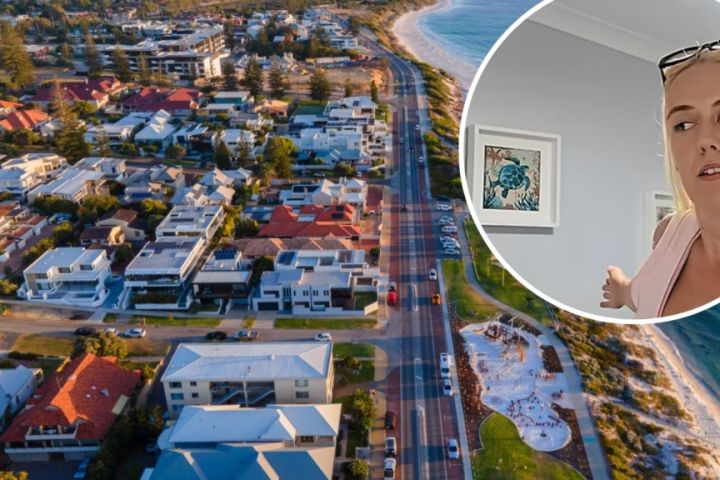
Perth, Western Australia – A seemingly innocuous property inspection has ignited a digital firestorm, pitting a popular influencer against a chorus of 20,000 concerned followers. Brooke Rolfe, a well-known figure in Western Australia's social media landscape, found herself at the center of this debate after showcasing a $500,000 home described as a 'bargain' – yet one with a distinctly 'weird' backstory that has prompted widespread calls for her to walk away.
The property, a small residence with newly painted rooms and an air conditioner, appears unremarkable at first glance. However, the collective apprehension of Rolfe's audience stems from its origins: the house is reportedly linked to a defunct cryptocurrency scheme, a detail that has transformed a routine real estate consideration into a cautionary tale about the volatile world of digital assets intersecting with tangible investments.
While the source content briefly mentions Rolfe's presence in a newly painted bedroom, the underlying narrative points to a broader phenomenon. The property market in Western Australia, particularly Perth, has seen significant fluctuations. After a period of stagnation, it has recently experienced a boom, driven by interstate migration and a strong mining sector. This upward trend has made affordable housing increasingly scarce, leading many to seek out unconventional deals. A $500,000 home in a competitive market might indeed seem like a steal, especially if it offers immediate occupancy or renovation potential.
However, the 'weird' factor here is paramount. The connection to a failed crypto venture immediately raises red flags for many. Properties acquired or built with funds from speculative or collapsed digital currencies often carry a stigma, and sometimes, legal complexities. Buyers might worry about the provenance of the funds used for its initial construction or purchase, potential liens, or even the ethical implications of owning an asset derived from a scheme that may have caused financial distress to others.
From a journalistic perspective, this incident highlights several critical trends. Firstly, the growing influence of social media personalities in shaping public opinion, even on significant financial decisions like home buying. Rolfe's followers, acting as a collective due diligence committee, demonstrate the power of crowdsourced wisdom – or indeed, crowdsourced anxiety. Their immediate reaction underscores a deep-seated public distrust of anything associated with the more speculative corners of the cryptocurrency market, especially after numerous high-profile collapses and scams.
Secondly, it brings into sharp focus the ongoing challenge of integrating digital assets into traditional financial and legal frameworks. When crypto fortunes translate into physical assets like real estate, the transparency and regulatory oversight that typically govern property transactions can become blurred. Buyers are often advised to conduct thorough due diligence, not just on the physical structure and location, but also on the history of ownership and the financial instruments involved in previous transactions.
Experts in real estate and finance often warn against purchases that seem too good to be true, especially when they involve unusual circumstances. While a property might be structurally sound, its 'story' can significantly impact its future resale value and even its insurability. The emotional and psychological burden of owning a home with a controversial past can also be considerable.
For Brooke Rolfe, the dilemma is clear: does she prioritize a potential 'bargain' or heed the overwhelming advice of her community? Her decision, whatever it may be, will undoubtedly continue to fuel discussion, serving as a vivid illustration of the complex interplay between emerging technologies, traditional investments, and the ever-present human element of risk assessment in the digital age.