The Digital Divide at Dinner: Why QR Code Menus Are Sparking a Generational Clash
QR code menus, once hailed as a modern convenience, are increasingly becoming a point of contention, particularly for older generations. This trend highlights a growing digital divide in the dining experience, where the pursuit of efficiency often clashes with traditional expectations of connection and service. As restaurants embrace technology, they risk alienating a significant demographic and altering the very essence of communal dining. This article explores the cultural, social, and technological implications of this shift, offering insights into how the industry can bridge the gap.
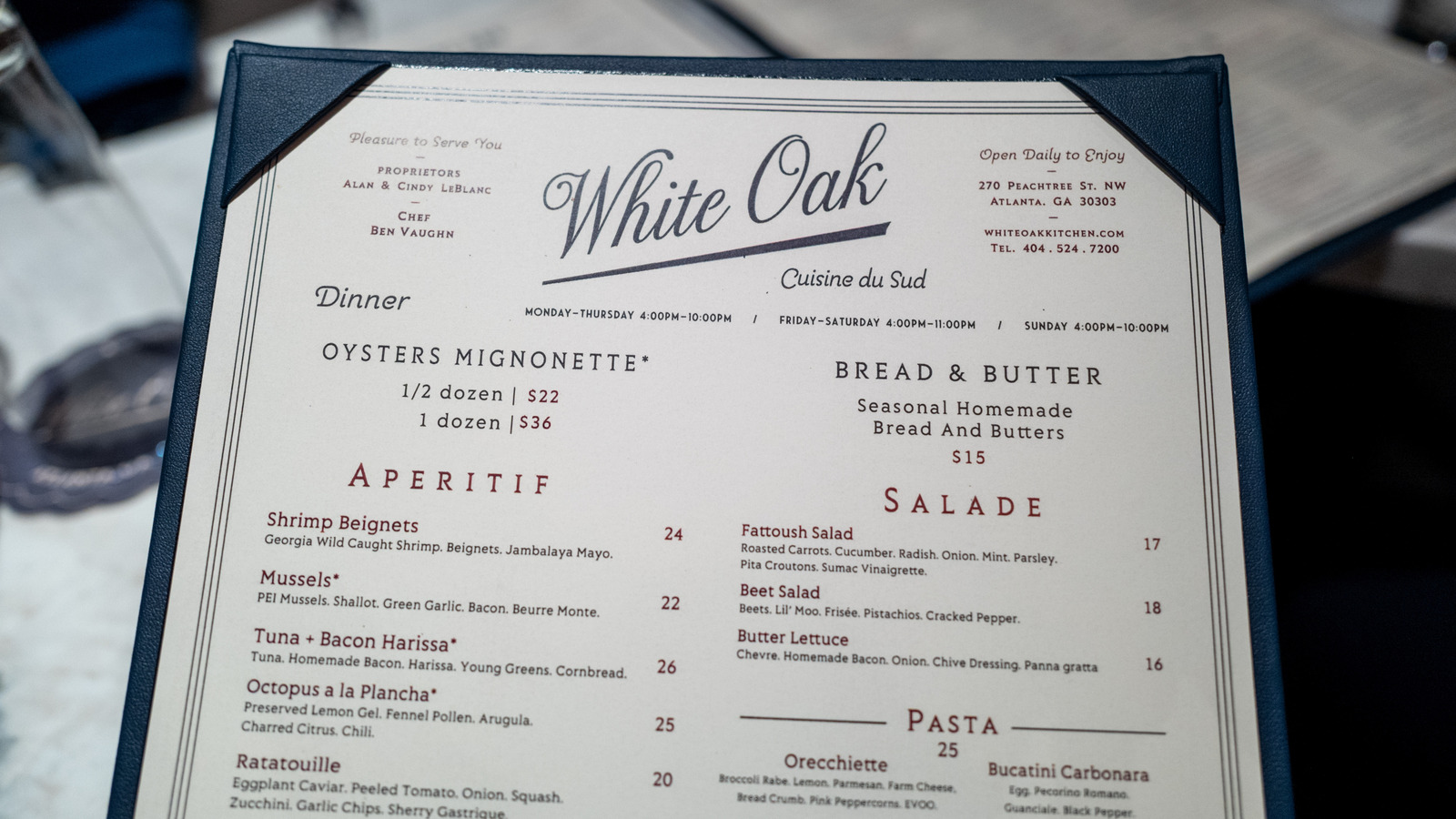
In an increasingly digitized world, few experiences remain untouched by the relentless march of technology. From banking to shopping, our lives are constantly being reshaped by the glow of screens. Yet, for many, the dinner table has long been a sanctuary, a space for human connection, conversation, and a brief respite from the digital cacophony. This cherished tradition, however, is now under siege, not by a new social media trend or a viral video, but by a seemingly innocuous piece of technology: the QR code menu. What began as a pandemic-driven necessity has evolved into a widespread practice, and in its wake, it has unearthed a significant generational divide, particularly frustrating for Baby Boomers and those who value the tactile, personal experience of dining out.
The initial adoption of QR codes was understandable. In the wake of the COVID-19 pandemic, restaurants scrambled for solutions that minimized contact and enhanced hygiene. Digital menus, accessible via a quick scan, seemed like a perfect fit. They reduced printing costs, allowed for instant updates, and offered a perception of safety. Fast forward a few years, and what was once a temporary measure has become a fixture in countless establishments, from bustling city bistros to quiet suburban cafes. But for a substantial segment of the population, especially those who grew up in an analog world, these digital gateways to culinary choices are less a convenience and more a barrier, disrupting the very essence of what makes dining out a pleasurable experience.
The Erosion of Connection: More Than Just a Menu
The frustration with QR code menus extends far beyond a simple preference for paper. It touches upon deeper societal anxieties about digital dependency and the erosion of human interaction. Imagine a couple on a date, or a family gathering for a special occasion. The traditional ritual involves perusing a physical menu, discussing options, perhaps asking a server for recommendations. This interaction is part of the social fabric of dining. With a QR code, the first thing many diners do is pull out their phone, often struggling with Wi-Fi, app downloads, or small text on a screen. This immediate dive into a personal device can fracture the nascent connection of the meal, shifting attention from companions to technology.
For Baby Boomers, who often prioritize face-to-face communication and a more structured service experience, this shift is particularly jarring. They recall a time when dining out was an escape from daily routines, a moment to be served and pampered. The act of scanning a code, navigating a website, and potentially troubleshooting technical glitches feels less like being a guest and more like being an employee. This isn't merely about technological illiteracy; it's about a fundamental difference in expectations for a service industry. A 2023 survey by Popmenu indicated that while 70% of diners were comfortable with digital menus, a significant portion still preferred physical ones for certain occasions, with older demographics showing a stronger preference for traditional options.
The Digital Divide: A Generational Chasm
The resistance to QR code menus is a microcosm of a larger societal phenomenon: the digital divide. While younger generations, often termed digital natives, seamlessly integrate technology into every aspect of their lives, older generations, or digital immigrants, often find themselves playing catch-up. This gap isn't just about comfort with technology; it's about access, literacy, and preference. Many seniors may not own smartphones, or if they do, they might struggle with data plans, poor eyesight, or the intricacies of mobile interfaces. Expecting every diner to possess the latest smartphone and be adept at navigating mobile websites is an assumption that excludes a significant portion of the population.
Moreover, the argument for efficiency often overlooks the potential for frustration. A slow internet connection, a dimly lit restaurant, or a poorly designed digital menu can quickly turn a simple act into a source of irritation. This can lead to a diminished dining experience, impacting customer satisfaction and potentially deterring repeat visits. Restaurants, in their pursuit of streamlining operations and cutting costs, must weigh these benefits against the potential cost of alienating a loyal customer base. The implications extend beyond individual diners; they touch upon the very inclusivity of public spaces and services in an increasingly digital world.
The Restaurant's Dilemma: Balancing Innovation and Tradition
For restaurant owners, the decision to adopt QR code menus is often driven by compelling economic and operational factors. The cost of printing physical menus, especially for establishments with frequently changing offerings, can be substantial. Digital menus allow for real-time updates, highlighting specials, managing inventory, and even integrating with online ordering and payment systems. This efficiency can lead to reduced labor costs and improved operational agility, particularly in a post-pandemic landscape where margins are tighter than ever.
However, the best practices for customer experience suggest a more nuanced approach. Many industry experts advocate for a hybrid model, offering both QR code options for tech-savvy patrons and traditional printed menus for those who prefer them. This approach acknowledges the diverse preferences of a restaurant's clientele and ensures that no guest feels excluded or inconvenienced. Some establishments are also exploring innovative solutions, such as tablet-based menus that can be handed to guests, offering the best of both digital flexibility and a more tactile, guided experience. The key lies in understanding that technology should enhance, not detract from, the core value proposition of dining out: the experience itself.
Beyond the Menu: Reclaiming the Dining Experience
The debate over QR code menus serves as a potent reminder of the broader implications of technological integration in our daily lives. While efficiency and innovation are undoubtedly valuable, they should not come at the expense of human connection and the richness of shared experiences. The restaurant industry, in particular, thrives on atmosphere, service, and the subtle dance of hospitality. When technology becomes an intrusive intermediary rather than a seamless facilitator, it risks eroding the very foundation of its appeal.
Moving forward, restaurants and service providers must adopt a more empathetic and inclusive approach to technology. This means not only offering choices but also actively training staff to assist customers who may struggle with digital interfaces. It means designing digital menus that are intuitively navigable, accessible for all ages, and genuinely enhance the dining journey. Ultimately, the goal should be to leverage technology to support human interaction, not replace it. By finding this delicate balance, we can ensure that the dinner table remains a cherished space for connection, conversation, and culinary delight, accessible and enjoyable for every generation, regardless of their digital fluency. The future of dining should be one where technology serves humanity, not the other way around, preserving the timeless joy of breaking bread together in a world that increasingly demands our attention elsewhere.
Stay Informed
Get the world's most important stories delivered to your inbox.
No spam, unsubscribe anytime.
Comments
No comments yet. Be the first to share your thoughts!