The Digital Grid: Lenovo Powers 2026 F1 Sim Racing Championship, Redefining Motorsport
Lenovo is significantly expanding its partnership with Formula 1, becoming the official technology provider for the 2026 F1 Sim Racing World Championship. This collaboration will see high-performance Lenovo Legion devices equip elite sim racers, pushing the boundaries of virtual motorsport. The move highlights the growing convergence of gaming technology and professional sports, promising an unparalleled competitive experience for participants and fans alike. This strategic alliance underscores the increasing importance of esports in the global sports landscape.
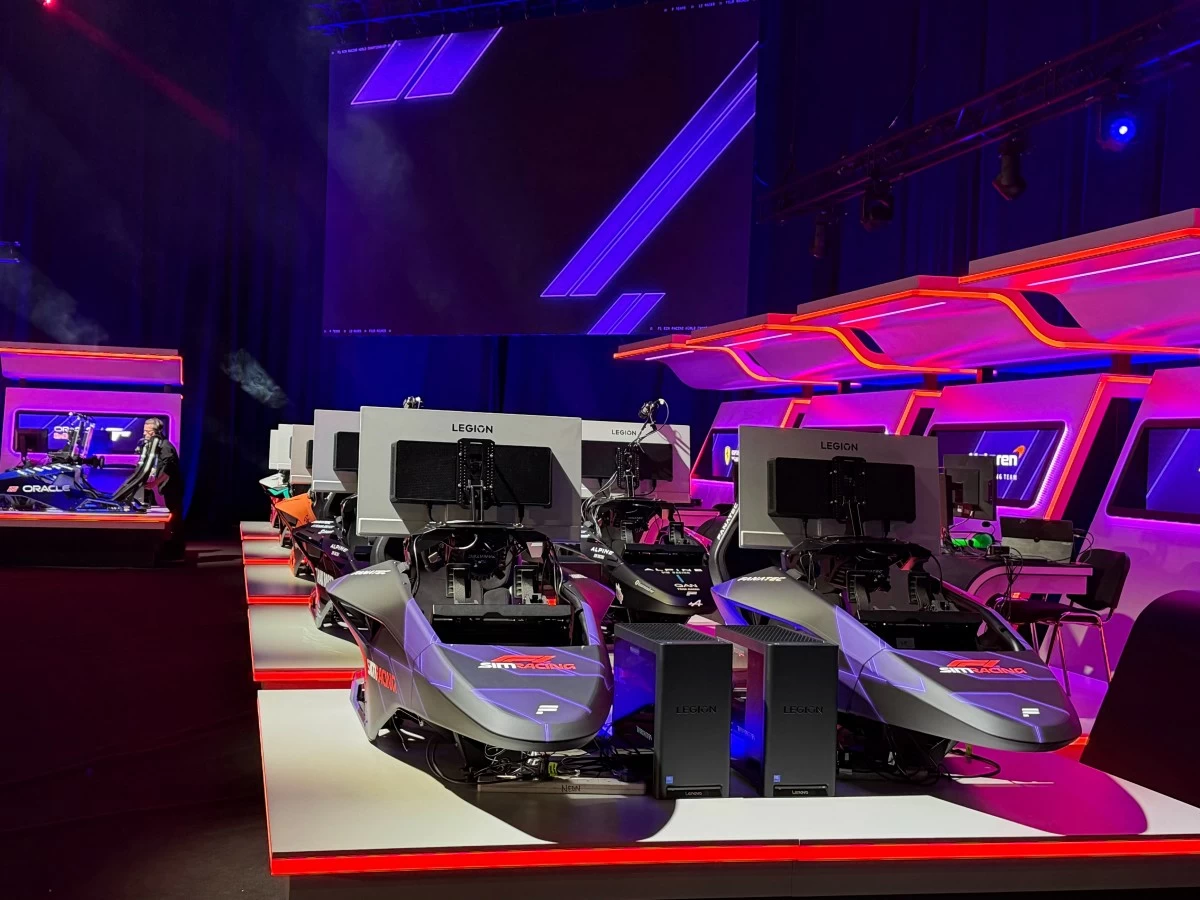
In the adrenaline-fueled world where cutting-edge technology meets the raw passion of motorsport, a significant announcement has just shifted the gears. Lenovo, a global technology powerhouse, has dramatically expanded its strategic partnership with Formula 1, solidifying its role as the official technology provider for the highly anticipated 2026 F1 Sim Racing World Championship. This isn't merely a sponsorship; it's a deep integration, deploying Lenovo's formidable high-performance Lenovo Legion devices to equip the world's elite sim racing drivers, ensuring they have access to the most advanced gaming hardware throughout the entire series. This move signals a pivotal moment for both esports and traditional motorsport, blurring the lines between the virtual and the real, and setting a new benchmark for competitive digital racing.
The Evolution of a Partnership: From Trackside to Virtual Grid
Lenovo's relationship with Formula 1 is not new, but it has steadily deepened and diversified. Initially, Lenovo's presence was felt through its provision of critical infrastructure and computing power for F1 operations, from trackside data analysis to broadcasting and logistics. This foundation of trust and performance has now extended into the burgeoning realm of esports. The decision to power the 2026 F1 Sim Racing World Championship with Lenovo Legion devices is a natural progression, reflecting the increasing importance of simulation in professional motorsport training and fan engagement. The F1 Sim Racing World Championship itself has grown exponentially, evolving from a niche competition into a global spectacle attracting millions of viewers and nurturing a new generation of racing talent. This expansion underscores F1's commitment to innovation and its recognition of esports as a legitimate, high-stakes competitive arena. For Lenovo, it's an unparalleled opportunity to showcase the prowess of its gaming division, Legion, under the most demanding conditions, proving that their hardware can meet the rigorous standards required by professional sim racers who demand precision, speed, and unwavering reliability.
Lenovo Legion: The Engine Behind the Virtual Race
At the heart of this partnership lies the Lenovo Legion brand. Known for its powerful processors, advanced graphics cards, and superior cooling systems, Legion devices are engineered for peak gaming performance. For sim racing, these features are not just desirable; they are essential. The intricate physics models, detailed track environments, and real-time decision-making required in F1 sim racing demand hardware that can render graphics flawlessly, process inputs instantaneously, and maintain stability under sustained load. Latency can be the difference between victory and defeat, and frame rates directly impact a driver's ability to react to dynamic track conditions. By providing their top-tier Legion PCs and monitors, Lenovo ensures that every competitor in the 2026 championship will operate on a level playing field, where skill, strategy, and mental fortitude are the sole determinants of success, unhindered by hardware limitations. This commitment to performance extends beyond the devices themselves, likely encompassing technical support and optimization to guarantee a seamless experience throughout the championship season. The prestige of being associated with Formula 1, combined with the high-visibility platform of the Sim Racing World Championship, provides Lenovo with an invaluable opportunity to connect with a global audience of tech enthusiasts and motorsport fans, further cementing Legion's reputation as a leader in high-performance gaming.
The Growing Convergence: Esports, Technology, and Motorsport
The partnership between Lenovo and F1 Sim Racing is a microcosm of a larger trend: the accelerating convergence of esports, advanced technology, and traditional sports. Esports, once considered a fringe activity, has matured into a multi-billion-dollar industry with professional leagues, dedicated arenas, and celebrity players. Motorsport, with its inherent reliance on data, engineering, and precision, is particularly well-suited for this digital transformation. Sim racing offers a highly accessible entry point into the world of F1, allowing aspiring drivers and fans to experience the thrill of competition without the astronomical costs of real-world racing. Furthermore, professional F1 teams increasingly utilize simulators for driver training, strategy development, and car setup, demonstrating the direct applicability of virtual racing to real-world performance. This synergy creates a feedback loop: advancements in sim racing technology can inform real-world racing, and vice versa. The involvement of a major tech player like Lenovo validates the legitimacy and future potential of sim racing, attracting more investment, talent, and viewership. The 2026 championship, powered by Lenovo, is poised to be a showcase of how technology can elevate competitive gaming to unprecedented heights, offering a glimpse into the future of sports entertainment.
Impact and Future Outlook: A New Era of Digital Competition
The implications of this expanded partnership are far-reaching. For the F1 Sim Racing World Championship, it guarantees a level of technological sophistication that will enhance the competitive integrity and spectacle of the events. Drivers will benefit from cutting-edge equipment, allowing them to push their limits without hardware bottlenecks. For Lenovo, it's a powerful marketing platform, demonstrating the capabilities of its Legion ecosystem to a global, tech-savvy audience. Beyond the immediate benefits, this collaboration sets a precedent for how major sports properties can effectively integrate with technology partners to create compelling digital experiences. We can anticipate further innovations in virtual reality (VR) and augmented reality (AR) integration, more sophisticated haptic feedback systems, and even AI-driven coaching tools emerging from such partnerships. The future of motorsport may very well involve a seamless blend of physical and virtual competition, with sim racers potentially transitioning to real-world tracks, and real-world drivers honing their skills in sophisticated digital environments. The 2026 F1 Sim Racing World Championship, armed with Lenovo's technological might, is not just another event; it's a significant milestone in the ongoing evolution of sports, promising a future where the roar of the engine is as thrilling in pixels as it is on the tarmac. This partnership solidifies the position of esports as a serious and integral part of the global sports landscape, attracting new fans and participants who might never have engaged with traditional motorsport.
Stay Informed
Get the world's most important stories delivered to your inbox.
No spam, unsubscribe anytime.
Comments
No comments yet. Be the first to share your thoughts!