The Dollar's Shifting Sands: How Geopolitics and the Iran War Expose Its Vulnerabilities
The ongoing conflict in Iran is casting a stark light on the U.S. dollar's long-held dominance in global finance. Nations are increasingly seeking alternatives to bypass Western sanctions, leading to a surge in Chinese RMB payments and a shift away from the SWIFT system. This geopolitical pivot could fundamentally reshape the international monetary landscape, impacting everything from trade to cryptocurrency adoption.
For decades, the U.S. dollar has reigned supreme as the undisputed king of global finance. Its ubiquity in international trade, its role as the primary reserve currency, and the sheer depth of American financial markets have made it seem indispensable. However, the escalating conflict in Iran, coupled with a broader geopolitical realignment, is now revealing deep fissures in this seemingly unshakeable foundation. The weaponization of finance through sanctions, once a powerful tool of Western foreign policy, is inadvertently accelerating a global quest for alternatives, challenging the dollar's hegemony in ways previously unimaginable.
The Sanctions Dilemma: A Double-Edged Sword
The imposition of financial sanctions has long been a cornerstone of U.S. foreign policy, designed to isolate adversaries and compel compliance. Yet, the very effectiveness of these measures is now prompting a backlash. Nations, particularly those with strained relations with the West, are actively seeking ways to insulate themselves from potential financial coercion. The Iran situation serves as a potent case study. Faced with severe U.S. sanctions, Iran, like Russia before it, has been forced to explore non-dollar denominated trade and payment systems. This isn't just about bypassing specific restrictions; it's about establishing a more resilient financial infrastructure less susceptible to external political pressures.
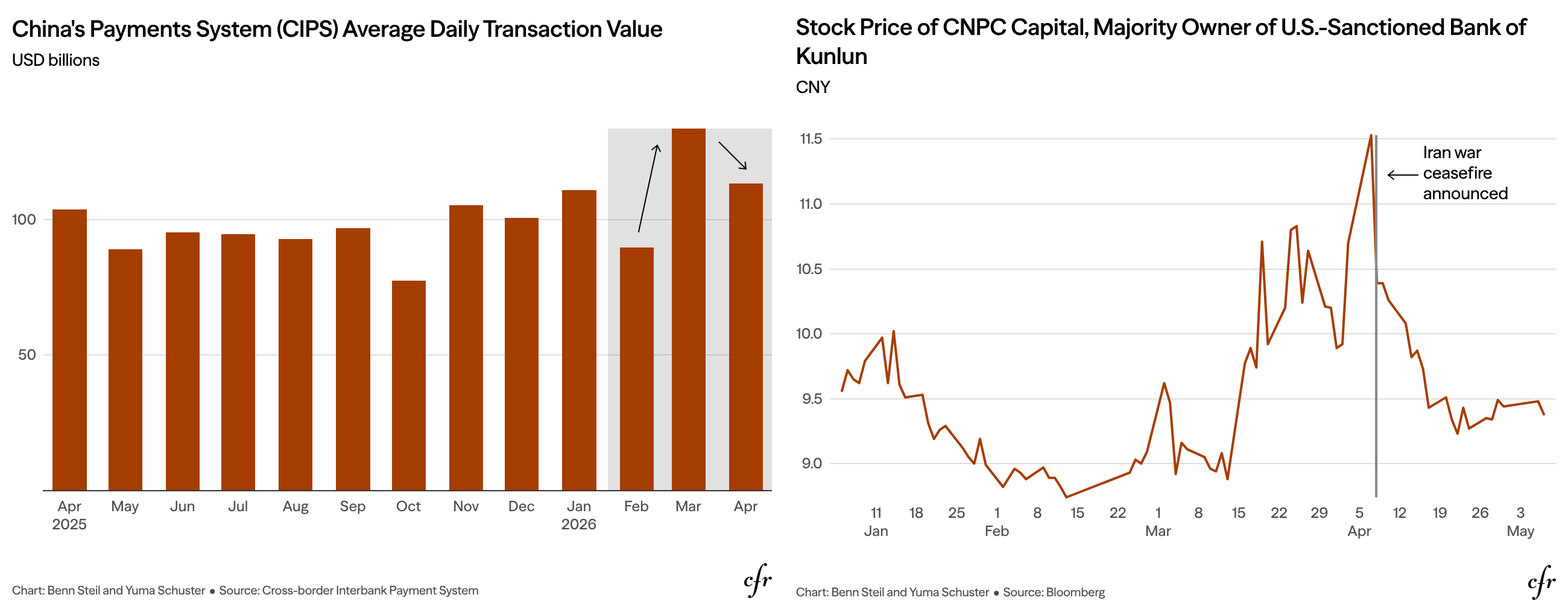
This strategic shift is evident in the growing adoption of the Chinese Renminbi (RMB) for international payments. While still a distant second to the dollar, the RMB's share in global transactions has been steadily climbing. Crucially, much of this movement is migrating from the Western-controlled SWIFT (Society for Worldwide Interbank Financial Telecommunication) system to China's own CIPS (Cross-Border Interbank Payment System). This move is not merely a technical preference; it's a strategic decoupling, creating parallel financial rails that operate outside the direct purview of U.S. influence. Data from SWIFT and CIPS themselves indicate a clear trend: as geopolitical tensions rise, so does the volume of transactions processed through non-Western channels.
The Rise of Alternative Payment Systems and Digital Currencies
The quest for dollar alternatives extends beyond traditional fiat currencies. The burgeoning world of cryptocurrencies and Central Bank Digital Currencies (CBDCs) presents another layer of complexity to the dollar's future. While often volatile and subject to regulatory scrutiny, cryptocurrencies like Bitcoin offer a decentralized, permissionless alternative for value transfer, theoretically immune to state-level sanctions. Although their current scale is insufficient to challenge the dollar's dominance in large-scale international trade, their potential as a hedge against currency instability or as a means of circumventing financial blockades is not lost on state actors and individuals alike.
More immediately impactful are CBDCs. Countries like China are aggressively developing the digital yuan, which could facilitate direct, peer-to-peer international transactions without needing intermediary banks or the SWIFT system. This would not only reduce transaction costs and increase speed but also offer a sovereign payment rail that bypasses the dollar's traditional role. While the U.S. is also exploring a digital dollar, its slower pace of development compared to rivals could leave it playing catch-up in a rapidly evolving digital financial landscape. The implications for developing nations, often caught in the crossfire of geopolitical disputes, are profound. A robust, non-dollar alternative could offer them greater financial autonomy and reduce their exposure to external shocks.
Geopolitical Realignments and Economic Sovereignty
The shift away from dollar reliance is fundamentally a geopolitical phenomenon driven by a desire for greater economic sovereignty. Nations are increasingly wary of a system where their financial lifelines can be severed at the whim of another state. This sentiment is particularly strong among the BRICS+ nations (Brazil, Russia, India, China, South Africa, plus others seeking membership), which are actively exploring mechanisms for intra-bloc trade and investment that bypass the dollar. Their collective economic weight, growing trade volumes, and strategic partnerships represent a significant challenge to the existing order.
The Iran conflict, therefore, is not an isolated incident but a symptom of a broader, ongoing transformation. It highlights how the weaponization of the dollar can inadvertently accelerate its decline by incentivizing rivals to build their own financial ecosystems. This isn't necessarily about outright replacing the dollar overnight, but rather about creating a more multipolar financial world, where several currencies and payment systems coexist and compete. The long-term implications include increased volatility in currency markets, potential fragmentation of global trade, and a recalibration of geopolitical power dynamics.
The Road Ahead: A Multipolar Financial Future?
The dollar's journey from unchallenged supremacy to a more contested position is a complex narrative shaped by economic forces, technological innovation, and geopolitical maneuvering. While its role as the primary global reserve currency and safest haven asset is unlikely to vanish soon, its relative importance is almost certainly set to diminish. The Iran war, by forcing a re-evaluation of financial dependencies, acts as a powerful catalyst in this ongoing evolution.
For businesses, investors, and policymakers, understanding these shifts is paramount. Diversification of currency holdings, exploration of alternative payment rails, and a keen eye on the development of CBDCs will become increasingly critical. The era of unquestioned dollar dominance is giving way to a more intricate, multipolar financial future, where resilience and adaptability will be key. The world is watching to see how the U.S. responds to this challenge – whether it can adapt its financial diplomacy or risk further accelerating the erosion of its most potent economic weapon. The next decade will undoubtedly redefine the very architecture of global finance, with profound implications for international relations and economic stability.
Stay Informed
Get the world's most important stories delivered to your inbox.
No spam, unsubscribe anytime.
Comments
No comments yet. Be the first to share your thoughts!