The End of an Era? Google's Strategic Move to Absorb Fitbit into Its Health Ecosystem
Fitbit, once a pioneer in wearable health technology, faces an uncertain future as Google reportedly plans to integrate its software into Google Health. This strategic shift could see the iconic Fitbit brand fade, marking a significant evolution in the competitive health tech landscape. We explore the implications for users, the market, and Google's broader ambitions in digital wellness.
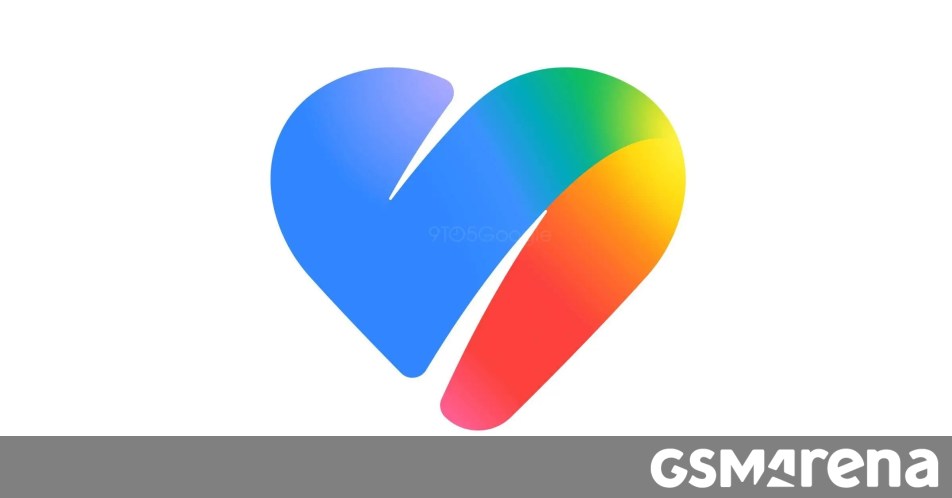
For over a decade, Fitbit has been synonymous with wearable health tracking. From its early clip-on pedometers to sophisticated smartwatches, the brand carved out a significant niche, inspiring millions to take charge of their fitness journeys. Its name became a verb, a cultural touchstone for personal health metrics. Yet, whispers from within the tech giant Google, which acquired Fitbit in 2021 for a reported $2.1 billion, suggest that this iconic brand might be approaching a significant crossroads, potentially being absorbed into the broader Google Health ecosystem. This move, if fully realized, would not just be a rebranding exercise; it would signal a profound shift in Google's strategy for wearable technology and digital health, with far-reaching implications for consumers and the competitive landscape.
The Acquisition and the Promise
When Google announced its acquisition of Fitbit, the tech world buzzed with anticipation. Google, a latecomer to the wearable market compared to Apple, was expected to leverage Fitbit's hardware expertise, extensive user base, and established brand recognition to bolster its own Wear OS platform and health initiatives. The promise was clear: combine Fitbit's deep understanding of health and fitness with Google's AI, cloud infrastructure, and vast ecosystem. Users hoped for more seamless integration, advanced health insights, and a stronger competitor to the Apple Watch. For a time, it seemed Google was committed to nurturing the Fitbit brand, releasing new devices like the Fitbit Charge 6 and the Sense 2, albeit with increasing Google integration such as Google Wallet and Google Maps.
However, the underlying strategic tension was always present. Google already had its own health platforms, most notably Google Fit, and a burgeoning interest in clinical health data through initiatives like Google Health. The question was never if Fitbit's data and software would integrate with Google's offerings, but how deeply and at what cost to the Fitbit identity. The current reports suggest a more aggressive absorption, where the 'software bits' – the core algorithms, tracking capabilities, and user interface elements that define the Fitbit experience – might be rolled directly into Google Health, leaving the Fitbit brand as a mere hardware label, or perhaps even phasing it out entirely.
The Strategic Rationale: Consolidation and Ecosystem Play
From Google's perspective, this potential move is strategically sound. Tech giants thrive on ecosystem integration. Apple's success with the Apple Watch is inextricably linked to its seamless integration with iOS, Apple Health, and its suite of services. Google aims for a similar level of cohesion across its Android ecosystem. Having a distinct Fitbit app and backend, while functional, creates fragmentation. By consolidating Fitbit's functionalities under the Google Health umbrella, Google can:
* Streamline User Experience: A single, unified Google Health platform could offer a comprehensive view of a user's health data, pulling information from various sources – not just Fitbit devices, but potentially other Android-compatible wearables and even medical records (with user consent). This simplifies data management and analysis for the user. * Enhance Data Synergy: Integrating Fitbit's rich dataset of activity, sleep, and heart rate with Google's AI capabilities could lead to more sophisticated health insights, personalized recommendations, and predictive analytics. Imagine Google Assistant proactively suggesting a change in sleep routine based on combined Fitbit and calendar data. * Strengthen Wear OS: By making Google Health the central hub, Google can push all its wearable partners, including its own Pixel Watch line, towards a common health framework, improving consistency and potentially fostering more innovation on the Wear OS platform. * Reduce Redundancy: Maintaining separate development teams and infrastructure for Fitbit's software and Google Health is inefficient. Consolidation frees up resources and reduces operational costs. * Combat Competition: A unified, powerful Google Health platform, deeply integrated with Android and Wear OS, presents a more formidable challenge to Apple Health and other emerging players in the digital health space.
This isn't just about fitness tracking; it's about Google's broader ambition to become a central player in preventative health, chronic disease management, and even clinical research. The data collected by millions of Fitbit users is an invaluable asset in this pursuit.
The Impact on Users and Brand Loyalty
While strategically beneficial for Google, the potential phasing out of the Fitbit brand carries risks, particularly concerning user loyalty and brand recognition. As the source description aptly notes, "Fitbit still has enormous brand recognition." For many, 'Fitbit' isn't just a product; it's a lifestyle choice, a community, and a trusted companion on their health journey. The brand evokes a sense of accessibility, simplicity, and focus on everyday wellness.
* Loss of Identity: Users who have been loyal to Fitbit for years might feel a sense of loss if the brand disappears. The distinct Fitbit app interface, its challenges, and its social features are part of what defines the experience. Merging into a generic 'Google Health' might dilute this unique identity. * Trust and Data Privacy: Google, despite its assurances, has faced scrutiny over data privacy. Some Fitbit users, particularly those who chose Fitbit specifically for its health focus and perceived independence from a data-hungry tech giant, might be wary of their health data being fully integrated into Google's broader ecosystem. Clear communication and robust privacy controls will be paramount. * Migration Challenges: The transition process itself could be fraught with challenges. Ensuring seamless data migration, maintaining feature parity, and educating users on the new platform will be critical to avoid frustration and user churn. If the transition is clunky or results in lost functionality, users might explore alternatives. * Market Fragmentation (Paradoxically): While Google aims for consolidation, a poorly executed transition could paradoxically lead to users abandoning the Google ecosystem for other dedicated fitness trackers or smartwatches, further fragmenting the market for Google.
The Future of Wearables and Digital Health
The potential absorption of Fitbit into Google Health is indicative of a larger trend in the digital health sector: the convergence of fitness tracking, medical data, and AI-driven insights. The future of wearables isn't just about counting steps; it's about providing actionable health intelligence, enabling early detection of health issues, and facilitating personalized preventative care.
Companies like Apple, Samsung, and now potentially Google, are vying to become the central repository for an individual's health data, leveraging their vast ecosystems to offer integrated solutions. This competition is driving innovation in sensor technology, AI algorithms for health analysis, and user-friendly interfaces. The market is moving beyond simple activity tracking towards features like ECG monitoring, blood oxygen saturation, continuous glucose monitoring (in development), and advanced sleep analysis.
For Google, this move is a high-stakes gamble. If executed well, it could solidify its position as a major player in the digital health space, offering a compelling, integrated health solution that rivals Apple's. If mishandled, it risks alienating a loyal user base and squandering the significant brand equity that Fitbit still commands. The coming months will reveal how Google navigates this delicate balance, and whether the legacy of Fitbit will live on as a vital component of a larger health vision, or simply fade into the annals of tech history.
Stay Informed
Get the world's most important stories delivered to your inbox.
No spam, unsubscribe anytime.
Comments
No comments yet. Be the first to share your thoughts!