The HDMI Feature That Could Have Revolutionized Smart TVs, But Never Did
Before the rise of ubiquitous smart TV platforms, an ambitious HDMI feature promised to transform how we interact with our home entertainment systems. This innovative concept aimed to centralize control and content delivery directly through the HDMI cable, offering a seamless, integrated experience. Despite its potential to simplify and enhance user interaction, the feature ultimately failed to gain traction. Its story offers a fascinating glimpse into the challenges of introducing groundbreaking technology in a rapidly evolving market.
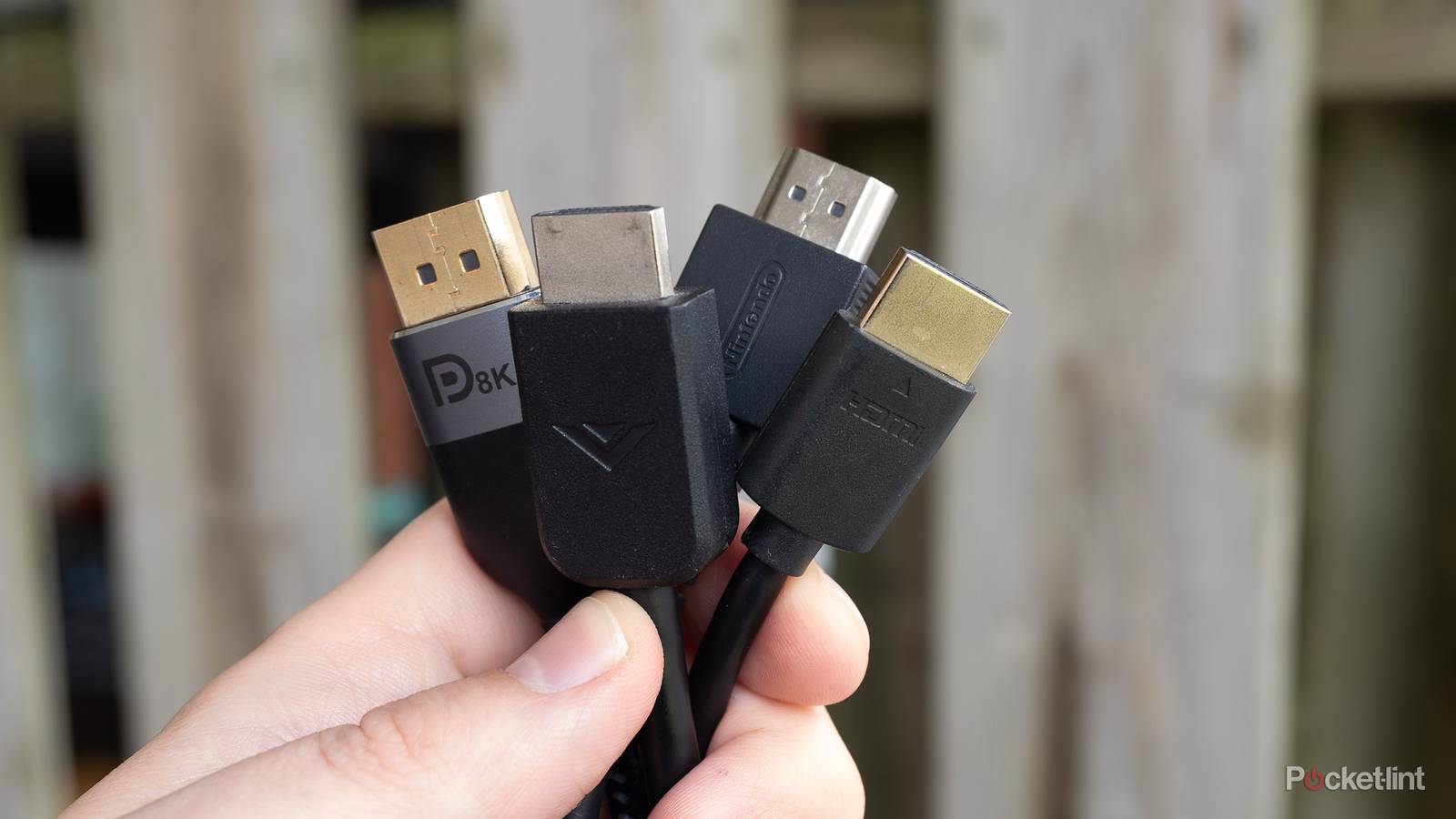
In the annals of technological innovation, for every groundbreaking success story, there are countless ambitious ideas that, despite their brilliance, never quite made it to widespread adoption. One such tale involves a little-known, yet profoundly impactful, HDMI feature that, had it succeeded, would have fundamentally reshaped the landscape of smart televisions and home entertainment as we know it. This wasn't merely an incremental upgrade; it was a vision for a unified, intelligent media ecosystem that was perhaps too far ahead of its time.
The Promise of a Unified Entertainment Hub
For decades, the HDMI (High-Definition Multimedia Interface) cable has been the unsung hero of home entertainment. Introduced in 2002, it rapidly replaced a tangled mess of analog cables, offering a single conduit for uncompressed digital audio and video. Its simplicity and efficiency were revolutionary, making it the de facto standard for connecting everything from Blu-ray players and gaming consoles to set-top boxes and soundbars to our displays. But beyond its primary function, HDMI harbored a more ambitious secret: a feature designed to turn the cable itself into a central nervous system for smart TVs.
The core concept was elegant: imagine a future where your television wasn't just a display, but an intelligent hub capable of delivering diverse content and services directly through its HDMI ports, without the need for external streaming sticks, boxes, or even complex smart TV operating systems. This proposed feature aimed to embed a level of intelligence and interactivity directly into the HDMI signal path, allowing connected devices to not only transmit media but also to receive commands, share data, and even run applications, all orchestrated by the TV itself. It envisioned a world where a single HDMI connection could power a rich, interactive experience, making the TV truly 'smart' by leveraging the capabilities of any connected device.
Technical Vision and Market Realities
The technical specifications behind this vision were intricate, involving advanced protocols for data transfer, device discovery, and content negotiation. The idea was to create a standardized framework that would allow devices from different manufacturers to communicate seamlessly, offering a unified user interface and content discovery experience. For instance, a game console connected via HDMI could potentially offer its entire game library directly through the TV's menu, or a cable box could stream on-demand content that the TV would then manage and present alongside other streaming services. It was an attempt to preempt the fragmentation that would later define the smart TV landscape, offering a cohesive, user-friendly alternative.
However, the ambitious nature of this feature also presented significant hurdles. Developing and implementing such a complex standard required unprecedented collaboration among hardware manufacturers, content providers, and software developers. Each stakeholder had their own proprietary interests and ecosystems they were keen to protect. The very idea of a universal, open standard that could potentially diminish the unique selling points of individual brands proved to be a formidable barrier. Furthermore, the processing power and networking capabilities required for such a system to function effectively were still nascent in the early to mid-2010s, when smart TV platforms were just beginning to take shape.
The Rise of Smart TV Platforms and Its Impact
As this HDMI feature struggled to gain industry-wide consensus, another technological wave was gathering momentum: the rise of dedicated smart TV operating systems. Companies like Samsung, LG, Sony, and later, third-party platforms like Roku, Amazon Fire TV, and Google TV, began investing heavily in developing their own proprietary software ecosystems. These platforms offered a direct pathway for content providers to reach consumers, bypassing the need for a complex, device-agnostic HDMI standard.
These smart TV platforms, despite their initial clunkiness, offered several advantages. They could be updated independently of the HDMI specification, allowing for rapid iteration and feature deployment. They provided manufacturers with greater control over the user experience and opportunities for revenue generation through app stores and advertising. Crucially, they didn't require a fundamental re-architecture of the HDMI standard, which was already well-established and widely adopted. The market, driven by consumer demand for streaming services and manufacturer competition, quickly embraced these integrated smart TV solutions, effectively rendering the ambitious HDMI feature redundant before it could even properly launch.
Lessons from a Failed Innovation
The story of this unfulfilled HDMI promise offers valuable insights into the dynamics of technological innovation and market adoption. It highlights the critical importance of timing, industry collaboration, and the ability to adapt to evolving consumer needs. While the feature's vision of a unified entertainment experience was prescient, its execution faced insurmountable challenges from entrenched interests and the rapid emergence of alternative solutions.
Today, we live in the world that this HDMI feature tried to prevent: a fragmented landscape of smart TV platforms, each with its own interface, app store, and content offerings. While devices like HDMI-CEC (Consumer Electronics Control) offer rudimentary control capabilities across connected devices, they fall far short of the comprehensive, intelligent hub envisioned by this failed feature. The irony is that many of the conveniences it promised – seamless content discovery, integrated control, and a more intuitive user experience – are still sought after by consumers, albeit now delivered through a patchwork of smart TV apps and external streaming devices.
The Future of Connected Entertainment
Looking forward, the spirit of this ambitious HDMI feature continues to influence the direction of home entertainment. The drive towards greater integration and simplification remains a key objective for tech companies. We see this in efforts to standardize smart home protocols, the increasing sophistication of voice assistants that can control multiple devices, and the ongoing push for more seamless interoperability between different ecosystems. While a single cable might not become the 'brain' of our smart TVs, the underlying desire for a unified, effortless entertainment experience persists.
The legacy of this failed HDMI feature is not one of failure in vision, but rather a testament to the complexities of innovation in a competitive market. It reminds us that even the most brilliant ideas can falter if they don't align with the prevailing technological currents and industry dynamics. As we continue to navigate an increasingly connected world, the lessons learned from such ambitious, yet unfulfilled, promises will undoubtedly guide the next generation of entertainment technologies, hopefully leading us closer to the truly seamless and intuitive experience we've long been promised.
Stay Informed
Get the world's most important stories delivered to your inbox.
No spam, unsubscribe anytime.
Comments
No comments yet. Be the first to share your thoughts!