The Hidden Cost of Pet Love: Navigating Skyrocketing Vet Bills and the Insurance Dilemma
Pet ownership brings immense joy, but a growing crisis of skyrocketing veterinary costs is turning beloved companions into financial burdens for many families. From emergency surgeries to chronic care, pet owners are facing bills that can reach tens of thousands, often without adequate insurance coverage. This article explores the systemic issues driving these costs, the emotional and financial toll on owners, and potential solutions for a sustainable future in pet healthcare.
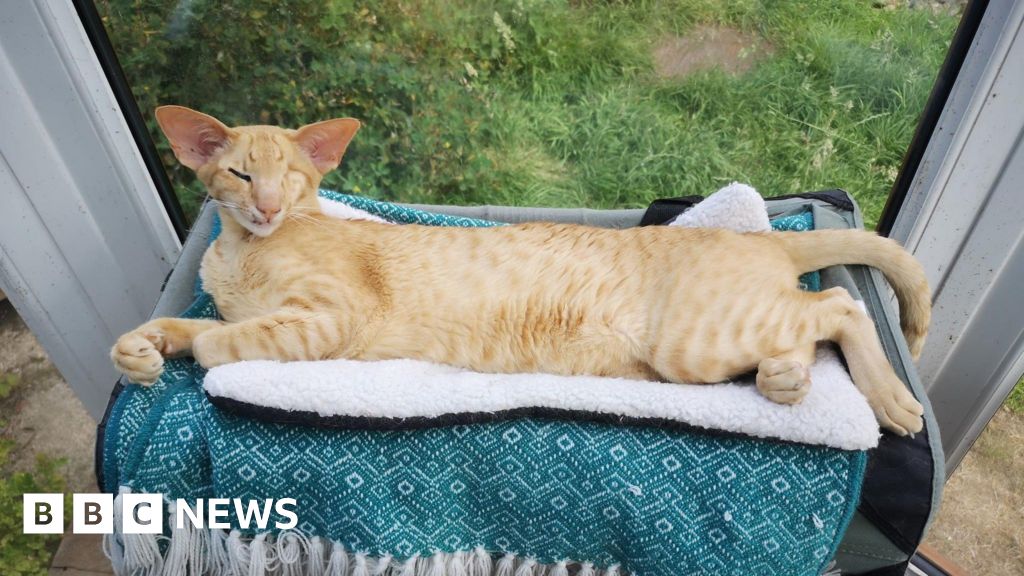
The unconditional love of a pet is a profound joy, a constant source of comfort and companionship. Yet, for an increasing number of families worldwide, this cherished bond is being tested by a silent, escalating crisis: skyrocketing veterinary costs. What begins as a simple check-up or an unforeseen accident can quickly spiral into a financial nightmare, leaving owners grappling with bills that can rival a down payment on a house or a year's tuition. The poignant story of Piers Walker, who faced a staggering £14,000 bill after her cat was hit by a car, is not an isolated incident but a stark illustration of a widespread problem that is forcing pet owners into impossible choices.
The Anatomy of a Crisis: Why Are Vet Bills So High?
Several interconnected factors contribute to the escalating cost of pet healthcare. Firstly, advances in veterinary medicine have been revolutionary. Pets now have access to treatments once reserved for humans, including MRI scans, chemotherapy, complex orthopedic surgeries, and specialized diagnostics. While these innovations offer hope and extended lifespans for our animal companions, they come with a hefty price tag, requiring expensive equipment, highly trained specialists, and costly medications. The technology that can save a pet's life is often the same technology that drains an owner's savings.
Secondly, the business model of veterinary practices has evolved. Many independent clinics have been acquired by large corporate groups, which often operate with different financial objectives. These corporations may prioritize profit margins, leading to standardized pricing structures that are often higher than those of traditional, family-run practices. This consolidation can also limit competition, further contributing to price hikes. Additionally, the rising cost of overheads for clinics – including rent, utilities, staff salaries, and specialized insurance – is passed on to consumers.
Finally, the shortage of veterinary professionals in many regions exacerbates the problem. High demand coupled with a limited supply of vets and vet nurses can lead to higher service fees, especially for emergency and specialist care. The emotional toll and demanding nature of the profession also contribute to burnout, further impacting staffing levels and the overall cost structure.
The Pet Insurance Paradox: A Partial Solution?
Pet insurance is often touted as the panacea for high vet bills, yet its effectiveness is a subject of ongoing debate and frustration for many. While it can provide a crucial safety net, particularly for unexpected major illnesses or accidents, it is far from a perfect solution. Premiums are rising steadily, especially for older animals or those with pre-existing conditions, which are often excluded from coverage altogether. Deductibles can be high, and many policies come with annual limits that can be quickly exhausted by a severe illness or a complex surgery.
Furthermore, the claims process can be cumbersome and slow, leaving owners to pay large sums upfront and wait for reimbursement. The initial £5,000 Piers Walker had to pay for her cat's emergency care highlights this issue vividly. Even with insurance, many owners find themselves out-of-pocket for significant amounts, or discover that their policy doesn't cover as much as they initially believed. A 2023 survey by the Association of British Insurers (ABI) showed that while the average pet insurance claim payout increased, so did the average premium, suggesting a continuous upward spiral.
The Emotional and Ethical Dilemma: When Cost Dictates Care
The most heartbreaking consequence of escalating vet bills is the ethical dilemma it imposes on pet owners. Faced with a choice between life-saving treatment and financial ruin, many are forced to make agonizing decisions. This can lead to immense guilt, stress, and grief, often referred to as **
Stay Informed
Get the world's most important stories delivered to your inbox.
No spam, unsubscribe anytime.
Comments
No comments yet. Be the first to share your thoughts!