The OLED Revolution: Premium Picture Quality Becomes Affordable in 2026
Once a luxury reserved for the elite, OLED television technology is now more accessible than ever. In 2026, a new wave of budget-friendly OLED models offers stunning picture quality, deep blacks, and vibrant colors without the prohibitive price tag. This article explores how manufacturers have democratized this premium viewing experience, making cinematic immersion a reality for a wider audience.
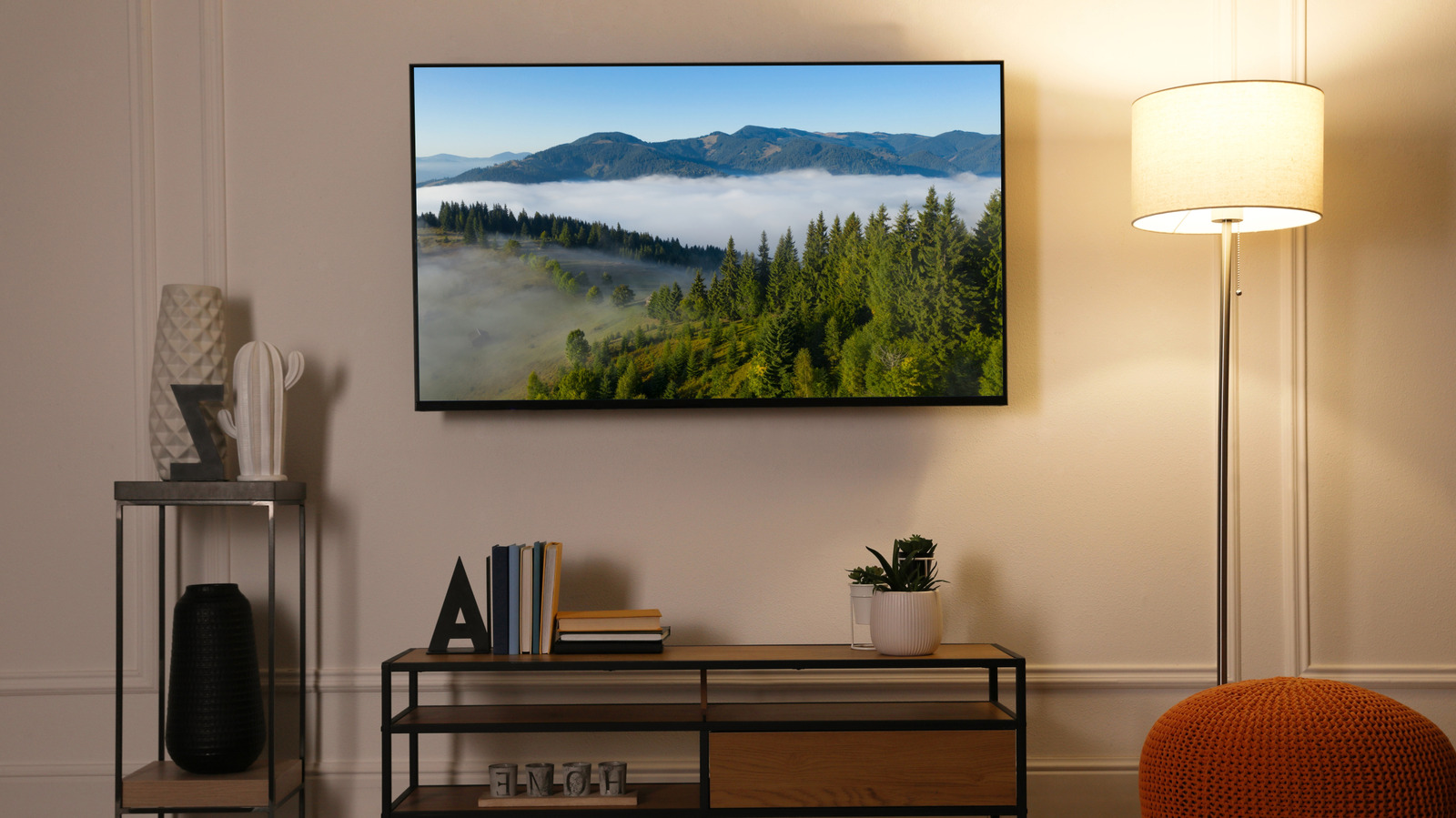
The dream of a home cinema, once confined to the imaginations of tech enthusiasts or the budgets of the ultra-wealthy, is rapidly becoming a mainstream reality. At the heart of this transformation lies OLED (Organic Light-Emitting Diode) technology, a display innovation that has consistently delivered unparalleled picture quality. For years, the barrier to entry for OLED TVs was their exorbitant cost, relegating them to the realm of aspirational purchases. However, as we navigate through 2026, a significant shift has occurred: premium OLED performance is now genuinely affordable, making cinematic immersion accessible to a much broader audience.
This isn't merely a marginal price drop; it's a fundamental recalibration of the market. Manufacturers, driven by advancements in production efficiency, economies of scale, and fierce competition, have successfully engineered OLED televisions that deliver breathtaking visuals without demanding a king's ransom. This article delves into how this technological democratization has unfolded, highlighting the key factors driving the trend and offering insights into what consumers can expect from these budget-friendly marvels.
The Evolution of OLED: From Niche to Mainstream
The journey of OLED technology has been a fascinating one, marked by rapid innovation and a gradual descent in price. Unlike traditional LED-backlit LCD screens, where a backlight illuminates an entire panel, each pixel in an OLED display is self-emissive. This means individual pixels can be turned on or off independently, leading to perfect blacks, infinite contrast ratios, and incredibly vibrant colors. The absence of a backlight also allows for thinner, more flexible displays and wider viewing angles.
Early OLED models, first introduced to the consumer market by manufacturers like Sony and LG in the late 2000s and early 2010s, were prohibitively expensive. A 55-inch OLED TV could easily command prices upwards of $5,000 to $10,000, placing them firmly out of reach for most households. These initial offerings were often seen as technological showcases, demonstrating what was possible rather than what was practical for mass consumption.
Over the past decade, however, significant strides have been made. LG Display, a major panel manufacturer, invested heavily in large-scale OLED panel production, gradually driving down manufacturing costs. Other players, including Samsung (with its QD-OLED technology) and various TV brands incorporating LG's panels, have further intensified competition. This competitive landscape, coupled with refinements in manufacturing processes, has been the primary catalyst for the current affordability trend. By 2026, the technology has matured to a point where the cost-to-performance ratio for OLED is more compelling than ever before, allowing for models that retain the core OLED advantages while shedding the premium price tag.
Unpacking the 'Budget' OLED Experience of 2026
When we talk about 'budget' OLEDs in 2026, it's crucial to understand that this doesn't imply a compromise on core picture quality. These televisions still deliver the signature deep blacks, stunning contrast, and wide color gamut that OLED is renowned for. The cost savings often come from other areas, allowing manufacturers to hit lower price points without sacrificing the fundamental visual experience.
Key areas where budget OLEDs might differ from their flagship counterparts include:
* Peak Brightness: While still excellent for most viewing environments, budget OLEDs might not reach the extreme peak brightness levels of premium models, which are often designed for optimal HDR performance in very bright rooms. * Processor Power: The image processing chip might be slightly less advanced, potentially affecting upscaling of lower-resolution content or motion handling in very fast-paced scenes. * Audio System: Integrated speakers might be more basic, encouraging users to invest in a soundbar or external audio system for a truly immersive experience. * Connectivity: Fewer HDMI 2.1 ports, or a reduced number of USB ports, could be a factor. However, most budget OLEDs still offer sufficient connectivity for typical users. * Design and Build Materials: Premium models might feature ultra-thin profiles, metal finishes, or unique stand designs, while budget options might opt for more standard plastic constructions. * Smart TV Features: While still offering a full suite of smart TV capabilities, some advanced AI-driven features or niche applications might be reserved for higher-end models.
Despite these potential differences, the core value proposition remains: a truly cinematic visual experience at a price point that was unimaginable just a few years ago. Consumers are no longer forced to choose between a premium picture and an affordable price; the 2026 market offers a compelling middle ground.
The Impact on Home Entertainment and Gaming
The democratization of OLED technology has profound implications for both home entertainment enthusiasts and gamers. For movie buffs and binge-watchers, the ability to experience films and series with unrivaled black levels and vibrant, accurate colors fundamentally transforms the viewing experience. Details previously lost in shadows on LCD screens become clear, and the overall visual fidelity approaches that of a professional cinema.
For gamers, OLED TVs offer a distinct advantage. The near-instantaneous pixel response time (often less than 1ms) virtually eliminates motion blur and ghosting, leading to incredibly fluid and responsive gameplay. Combined with features like Variable Refresh Rate (VRR), Auto Low Latency Mode (ALLM), and high refresh rates (120Hz or even 144Hz on some models), budget OLEDs are becoming the go-to choice for serious console and PC gamers seeking a competitive edge and a more immersive experience. The deep contrast also makes dark game environments more atmospheric and detailed, enhancing horror or stealth titles significantly.
This accessibility means that a wider demographic can now enjoy these benefits, elevating the standard of home entertainment across the board. It's no longer just about owning a big screen; it's about owning a screen that delivers a truly premium visual performance.
Navigating the 2026 Market: What to Look For
For consumers looking to jump into the budget OLED market in 2026, several factors should guide their decision-making process:
* Size vs. Features: Determine the optimal screen size for your viewing space. Often, a slightly smaller OLED with better features might be preferable to a larger, more basic model. * Connectivity Needs: Ensure the TV has enough HDMI 2.1 ports if you plan to connect multiple next-gen consoles or a high-end PC. * Smart TV Ecosystem: Consider the integrated smart TV platform (e.g., webOS, Google TV, Tizen). Each offers a different user interface and app selection, so choose one that aligns with your preferences. * HDR Support: While all OLEDs handle HDR well, verify support for formats like Dolby Vision and HDR10+ if these are important for your content consumption. * Brand Reputation and Reviews: While budget-friendly, reputable brands often provide better software support and reliability. Consult professional reviews and user feedback. * Warranty: Always check the warranty terms, especially concerning potential issues like burn-in, though modern OLEDs have significantly mitigated this concern.
It's also worth noting that 'budget' is a relative term. While these OLEDs are significantly cheaper than their premium counterparts, they still represent a substantial investment compared to entry-level LCD TVs. However, the value proposition in terms of picture quality is undeniable.
The Future is Bright (and Dark): OLED's Continued Dominance
The trajectory of OLED technology suggests a future where its dominance in the premium display market will only solidify, extending further into the mid-range. As production techniques continue to improve and new innovations emerge (such as micro-lens array (MLA) technology for increased brightness), the gap between budget and flagship OLEDs may narrow even further in terms of pure performance, with differentiation primarily coming from design, audio, and advanced processing features.
The year 2026 marks a pivotal moment where OLED, once a distant aspiration, has become a tangible and attainable luxury for the masses. This shift not only elevates the home entertainment experience for millions but also pushes the boundaries of what consumers can expect from their televisions. The era of affordable, premium picture quality is here, promising a future where every living room can host its own slice of cinematic magic. The OLED revolution is not just about better TVs; it's about democratizing an unparalleled visual experience, making it a standard rather than an exception. The future of home viewing has never looked so good, or so accessible.
Stay Informed
Get the world's most important stories delivered to your inbox.
No spam, unsubscribe anytime.
Comments
No comments yet. Be the first to share your thoughts!