The Shifting Sands of PC Gaming: Why Major Sequels Are Ditching Xbox PC and Play Anywhere
A significant shift is underway in the PC gaming landscape as a major upcoming sequel, following in the footsteps of 'Aliens: Fireteam Elite', opts out of Xbox PC and Play Anywhere support. This decision raises critical questions about Microsoft's strategy, developer priorities, and the long-term viability of cross-platform ecosystems. Industry analysts are now debating whether this signals an emerging trend that could reshape how PC games are distributed and consumed, potentially impacting player choice and platform loyalty.
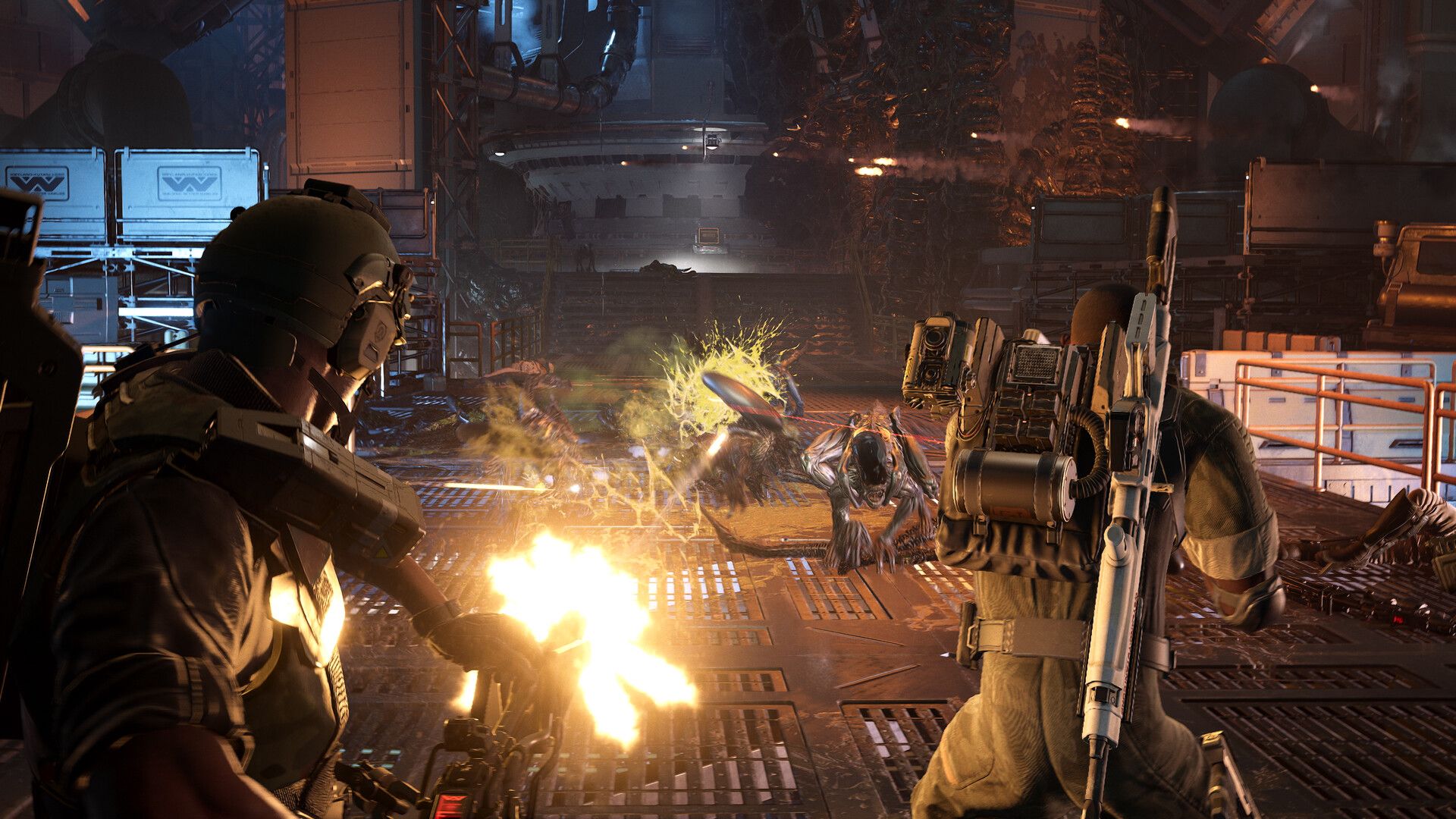
The digital battleground of PC gaming is constantly evolving, with platforms vying for dominance and developers navigating a complex ecosystem of storefronts and services. A recent development has sent ripples through this landscape: a major upcoming sequel, building on the legacy of titles like Aliens: Fireteam Elite, has explicitly announced its decision to forego support for Xbox PC and the much-touted Xbox Play Anywhere initiative. This move, while seemingly isolated, has ignited a fervent discussion among industry insiders and players alike, prompting a critical examination of whether this is an isolated incident or the harbinger of a significant emerging trend.
Aliens: Fireteam Elite, a cooperative shooter that drew comparisons to Left 4 Dead, was initially a notable success story for Microsoft's cross-platform ambitions. Its eventual inclusion on Xbox PC and Play Anywhere was celebrated as a win, offering players unprecedented flexibility to purchase a game once and play it across both Xbox consoles and Windows PCs. This model, designed to foster a unified gaming experience, appeared to be a cornerstone of Microsoft's strategy to expand its gaming footprint beyond traditional console boundaries. However, the sequel's decision to abandon this path – explicitly stating support only for Steam and Epic Games Store (EGS) – suggests a recalibration of priorities that could have far-reaching implications.
The Allure of Established Ecosystems: Steam and EGS Dominance
The choice to focus solely on Steam and EGS is hardly surprising when considering the current PC gaming market. Steam, Valve's ubiquitous digital distribution platform, remains the undisputed titan, boasting hundreds of millions of active users, a vast library, and a deeply integrated community infrastructure. Its comprehensive suite of features, from cloud saves to mod support and robust social tools, makes it an attractive default for many developers. The Epic Games Store, while a newer entrant, has aggressively carved out its niche through strategic exclusives, generous revenue splits for developers (88/12 compared to Steam's standard 70/30, though Steam's split improves with higher revenue tiers), and regular free game giveaways that attract a substantial user base. For developers, launching on these platforms means instant access to massive player pools and proven marketing channels.
Conversely, the Xbox PC app and its associated storefront, while improving, still face an uphill battle for mindshare. Despite Microsoft's significant investment in PC Game Pass and its commitment to bringing first-party titles to PC day-and-date, the platform has struggled to achieve the same level of user engagement and developer preference as its competitors. Issues ranging from perceived clunkiness of the app to less robust features compared to Steam have historically deterred some users. For a third-party developer, the additional effort and potential technical overhead of integrating with a less dominant platform might not always justify the perceived return, especially if their primary goal is maximizing reach and minimizing development complexity.
The Promise and Pitfalls of Xbox Play Anywhere
Xbox Play Anywhere (XPA) was introduced with great fanfare as a revolutionary concept, promising a seamless gaming experience across Xbox consoles and Windows PCs. The premise was simple: buy a digital game once, and own it on both platforms, with shared saves and achievements. This initiative aimed to break down barriers between console and PC gaming, offering unparalleled convenience for players invested in Microsoft's ecosystem. For a time, it seemed like a powerful differentiator, especially for titles like Forza Horizon 5 or Halo Infinite.
However, XPA has always had its limitations. It's an opt-in program for developers, meaning not every game supports it. More critically, its implementation often ties games to the Microsoft Store, which, as discussed, has not achieved the same market penetration as Steam or EGS. For a developer like the one behind the upcoming sequel, the benefits of XPA might be outweighed by the desire to reach the largest possible audience through the most streamlined distribution channels. If the majority of their target PC audience is on Steam or EGS, diverting resources to support a less popular storefront, even with the XPA benefit, might be deemed inefficient. Furthermore, the technical complexities of ensuring cross-platform compatibility, especially with save data and multiplayer, can add significant development time and cost.
Is This an Emerging Trend? Implications for Players and Platforms
The decision by this upcoming sequel sparks a crucial question: is this an isolated case, or are we witnessing the beginning of a broader trend? Several factors suggest it might be the latter. The PC gaming market is becoming increasingly fragmented, with developers and publishers constantly evaluating the most effective strategies for reaching players. The allure of exclusive deals from EGS, coupled with Steam's undeniable market share, creates a powerful gravitational pull. If more third-party developers conclude that the effort to support the Xbox PC platform and Play Anywhere doesn't yield sufficient returns compared to focusing on the dominant storefronts, we could see a gradual erosion of Microsoft's third-party PC presence.
For players, this trend could mean a more fractured gaming experience. While the convenience of XPA is appealing, its limited adoption could force players to make difficult choices or manage multiple game libraries across different launchers. It might also impact the perceived value of PC Game Pass, especially if highly anticipated third-party titles consistently bypass the Xbox PC ecosystem for their standalone releases. Microsoft's strategy for PC gaming hinges on the strength of Game Pass and the appeal of its first-party offerings. If third-party support wanes, it could diminish the overall attractiveness of their PC platform.
Microsoft's Strategic Response and the Future of PC Gaming
Microsoft is undoubtedly aware of these challenges. Their recent moves, such as bringing more first-party titles to Steam (e.g., Hi-Fi Rush), indicate a pragmatic approach to reach players wherever they are, even if it means ceding some control over distribution. This strategy acknowledges the reality of Steam's dominance but also risks undermining the exclusivity and unique value proposition of their own PC storefront. The company's focus on Game Pass as a subscription service, rather than solely a storefront, might be their long-term play, aiming to attract users with value rather than platform exclusivity.
The future of PC gaming distribution will likely remain a dynamic landscape. Developers will continue to prioritize reach, revenue splits, and ease of development. Players will seek convenience, choice, and value. The decision by this upcoming sequel serves as a potent reminder that even established platforms like Xbox PC must continuously adapt and innovate to remain competitive. Whether this marks a significant turning point or merely a temporary fluctuation, one thing is clear: the battle for the PC gamer's desktop is far from over, and developers are increasingly making calculated decisions that prioritize market realities over platform loyalty.
Stay Informed
Get the world's most important stories delivered to your inbox.
No spam, unsubscribe anytime.
Comments
No comments yet. Be the first to share your thoughts!