The Streaming Stick Conundrum: Why Google TV's Woes Could Pave the Way for a Windows Revival
Google TV, once heralded as a beacon of smart entertainment, is increasingly drawing criticism for its sluggish performance and cluttered interface. As users yearn for a more robust and versatile streaming experience, industry experts are pondering radical alternatives. Could a Windows-based streaming stick emerge as the unexpected solution, offering the power and flexibility that current platforms lack? This article delves into the frustrations with existing devices and explores the compelling case for a PC-centric streaming future.
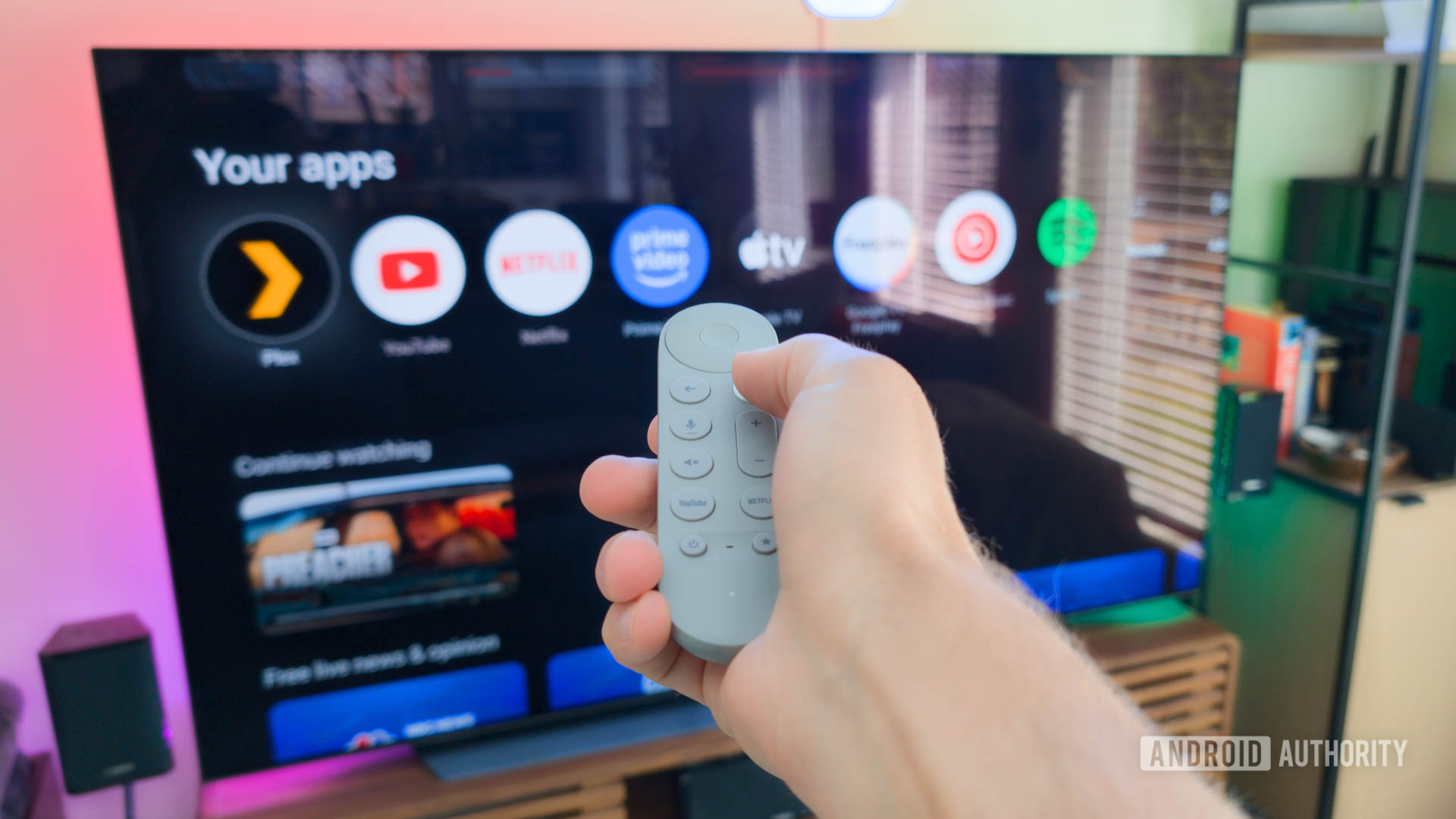
The living room, once dominated by a single television set and a handful of channels, has transformed into a complex ecosystem of streaming devices, smart TVs, and digital content. At the heart of this transformation, platforms like Google TV promised a seamless, integrated experience, blending live TV, on-demand services, and smart home control. Yet, for many users, the reality has fallen short of the promise. A growing chorus of discontent points to sluggish performance, cluttered interfaces, and a general sense of unfulfilled potential plaguing Google TV and its ilk. This widespread frustration is sparking a fascinating debate: is it time for a radical rethink in the streaming device market, perhaps even paving the way for an unexpected contender like a Windows streaming stick?
The Unraveling Promise of Google TV
Google TV, building on the foundations of Android TV, was designed to be an intuitive, personalized hub for all media consumption. Its ambition was noble: to aggregate content from myriad services, offer smart recommendations, and provide a unified search experience. However, years into its widespread adoption, the platform often feels more like a burden than a blessing. Users frequently report significant lag, stuttering navigation, and unresponsive inputs, especially on lower-end hardware, but even on some premium devices. The sheer volume of pre-installed apps, often unremovable, contributes to a sense of digital bloat, consuming valuable storage and processing power. This performance degradation over time, coupled with an interface that can feel more like an advertising billboard than a curated content portal, has eroded user trust and satisfaction.
Moreover, the promise of universal content aggregation often falters. While it does a decent job of pulling content from major players, the recommendations can be hit-or-miss, and the prioritization of Google's own services can feel heavy-handed. The ecosystem, rather than being a seamless tapestry, often feels like a collection of disparate threads loosely held together. This isn't just a minor inconvenience; in an era where consumers expect instant gratification and intuitive design, these shortcomings are significant deal-breakers for a growing segment of the market.
The Allure of Apple TV and the Roku/Fire TV Dichotomy
In stark contrast to Google TV's struggles, the Apple TV 4K often stands as a benchmark for premium streaming. Its snappy performance, clean interface, and robust app ecosystem are frequently lauded. However, its higher price point and tighter integration with Apple's ecosystem make it a niche product, appealing primarily to those already invested in the Apple universe. It demonstrates what's possible when hardware and software are tightly controlled and optimized, but it doesn't offer a universal solution.
Then there are the omnipresent Roku and Amazon Fire TV devices. Roku, with its famously simple interface and vast channel store, appeals to users who prioritize ease of use and broad content availability. Fire TV, deeply integrated with Amazon's services and Alexa, offers a similar value proposition, often at aggressive price points. Both platforms generally offer better performance than many Google TV implementations, but they too have their limitations. Roku's interface, while simple, can feel dated, and Fire TV's home screen is increasingly dominated by Amazon's own content and ads. Neither offers the kind of openness or versatility that power users might crave.
Why a Windows Streaming Stick Isn't as Crazy as It Sounds
The idea of a Windows streaming stick might initially sound anachronistic, harkening back to the days of clunky HTPCs (Home Theater PCs). However, modern advancements in miniaturization, power efficiency, and cloud computing make the concept far more viable and appealing than ever before. Imagine a device the size of a large USB stick, powered by a low-power Intel Atom or ARM-based processor, running a streamlined version of Windows 11.
What would be the advantages?
* Unparalleled Versatility: A Windows device could run virtually any streaming app, web browser, or even light productivity software. This means access to obscure streaming services, direct website streaming (bypassing app limitations), and even PC-based gaming through cloud services like Xbox Cloud Gaming or GeForce Now, all from your TV. * Robust Performance: With direct access to Windows' underlying power management and hardware optimization, such a device could potentially offer significantly smoother performance than current Android-based sticks, especially if equipped with decent RAM and storage. * Familiar Interface (for many): Billions of people are familiar with Windows. A simplified, TV-optimized Windows interface could offer a comfortable and powerful environment for many users. * Open Ecosystem: Unlike closed ecosystems, Windows offers a degree of freedom for customization, peripheral support (keyboards, mice, game controllers), and even local media playback that current streaming sticks struggle to match. * Enterprise Potential: Beyond consumers, such a device could find a niche in digital signage, conference rooms, or educational settings, leveraging the full power of Windows in a compact form factor.
Of course, challenges exist. Power consumption, heat management in a small form factor, and the need for a TV-optimized user interface would be critical hurdles. Microsoft would need to invest heavily in creating a user experience that doesn't feel like a desktop OS shoehorned onto a TV, but rather a purpose-built entertainment hub.
The Technical Feasibility and Market Opportunity
The technology to create a powerful, compact Windows streaming device largely exists. Mini PCs, often referred to as Compute Sticks or NUCs (Next Unit of Computing), have been available for years. Devices like Intel's Compute Stick, while not widely successful as consumer streaming devices, proved the concept of a full PC in a tiny form factor. Modern ARM processors, like those found in the Surface Pro X or various Snapdragon-powered laptops, offer excellent power efficiency and performance, making them ideal candidates for a fanless streaming stick.
Microsoft's recent push into Windows on ARM and its continued development of a more modular Windows operating system (like Windows Core OS, even if not directly released) suggests a future where Windows can adapt to various form factors. A dedicated 'Windows TV' or 'Windows Stream' SKU could be developed, stripping away unnecessary desktop components and focusing on media consumption, gaming, and web browsing. The market opportunity is significant: a premium streaming device that offers the versatility of a PC without the bulk or complexity of a traditional HTPC could capture a segment of users disillusioned with current offerings.
A Glimpse into the Future of Home Entertainment
The frustrations with Google TV and the limitations of other streaming platforms highlight a fundamental disconnect between user expectations and current product realities. Consumers want power, versatility, and a seamless experience, not just another device that struggles to perform basic tasks. While the idea of a Windows streaming stick might seem unconventional in a market dominated by Android, Roku, and Apple, it represents a bold vision for a more capable and open home entertainment hub.
Such a device, if executed correctly, could redefine what a streaming stick can be. It wouldn't just be a conduit for content; it would be a miniature home computer capable of handling a much broader array of tasks, from advanced gaming to video conferencing, all from the comfort of your couch. The journey from concept to reality would require significant investment and innovation from Microsoft and its hardware partners. However, given the current landscape of user dissatisfaction and the ever-increasing demand for more powerful and flexible media solutions, the time might just be ripe for Windows to make a triumphant return to the living room, not as a bulky PC, but as the ultimate streaming companion, finally delivering on the promise of truly integrated and powerful home entertainment. The future of streaming might just be powered by an operating system we thought we knew, but reimagined for a new era of digital consumption.
Stay Informed
Get the world's most important stories delivered to your inbox.
No spam, unsubscribe anytime.
Comments
No comments yet. Be the first to share your thoughts!