The Unseen Architects of Our Health and Wealth: Quantifying the Value of Pollinators
A groundbreaking study sheds new light on the critical, yet often underestimated, economic and health benefits provided by pollinators. Moving beyond general ecological understanding, researchers have now quantified how these vital insects contribute significantly to global nutrition and income, particularly in low-income countries. This analysis underscores the urgent need for robust conservation efforts to safeguard both ecological balance and human well-being.
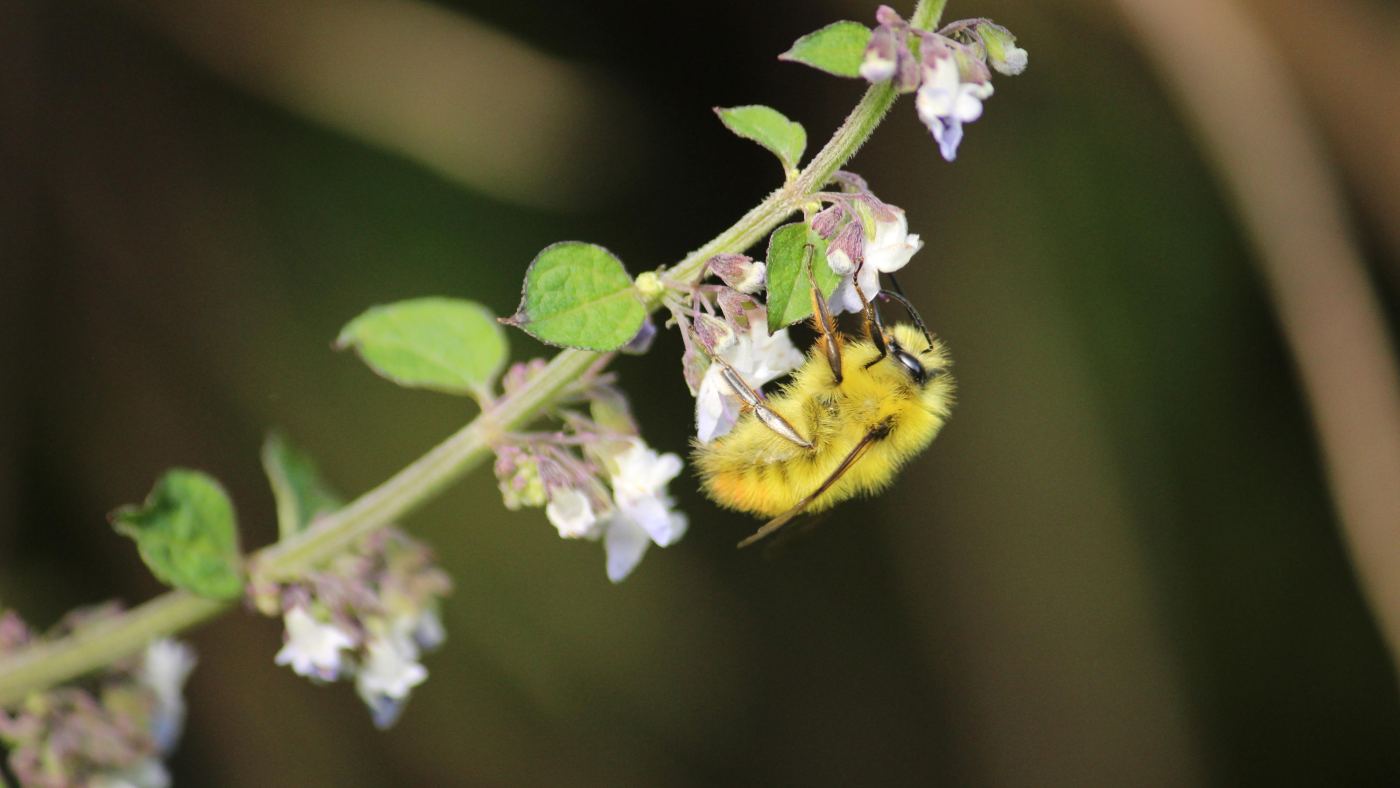
In a world increasingly grappling with food security, public health crises, and economic disparities, the silent work of nature often goes unnoticed, its true value obscured by a lack of precise measurement. We readily acknowledge that trees purify our air, wetlands filter our water, and insects pollinate our food. Yet, translating these broad ecological benefits into concrete, quantifiable impacts on human health and wealth has long remained a formidable challenge for scientists and policymakers alike. Now, groundbreaking research is finally putting numbers to these invaluable contributions, revealing the profound and often underestimated role of pollinators in shaping our global well-being.
The Elusive Equation: Quantifying Nature's Services
For decades, ecologists like Thomas Timberlake at the University of York have faced the uphill battle of moving beyond generalities to specifics when discussing nature's benefits. The intrinsic value of biodiversity is widely accepted, but its extrinsic, tangible economic and health impacts have been notoriously difficult to quantify. This new study, however, represents a significant leap forward, providing a detailed framework to measure how pollinators directly influence human nutrition and income, particularly in regions where these benefits are most acutely felt.
The research, published in a leading scientific journal, meticulously analyzed data from agricultural systems across the globe, focusing on the dependency of various crops on animal pollination. It then correlated this dependency with nutritional outcomes and economic returns for farmers. The findings are stark: pollinators are not just an ecological nicety; they are an economic imperative and a cornerstone of global public health.
A Global Harvest: Pollinators and Nutritional Security
One of the most compelling aspects of the study is its detailed analysis of how pollinators contribute to nutritional security. Many of the world's most nutrient-dense foods—fruits, vegetables, nuts, and seeds—are heavily reliant on animal pollination. Without bees, butterflies, birds, and other creatures, the yields of these crops would plummet, leading to significant dietary deficiencies, especially in vulnerable populations.
The study estimates that a substantial portion of the global intake of essential micronutrients, such as Vitamin A, folate, calcium, and iron, is directly attributable to pollinator-dependent crops. For instance, a decline in pollinator services could lead to a 20-30% reduction in the availability of these crucial nutrients in certain regions. This isn't just about calorie intake; it's about the quality of diet, which directly impacts everything from child development to immune system function. In low-income countries, where access to diverse food sources is already limited, the loss of pollinators could exacerbate malnutrition, leading to increased rates of stunting, wasting, and susceptibility to disease.
Key Nutritional Contributions of Pollinators: * Vitamin A: Crucial for vision and immune function, often found in fruits like mangoes and papayas. * Folate: Essential for cell growth and DNA synthesis, abundant in leafy greens and legumes. * Calcium: Vital for bone health, present in many fruits and vegetables. * Iron: Necessary for oxygen transport in the blood, found in nuts and certain fruits.
The Economic Engine: Pollinators and Farmer Income
Beyond nutrition, the study also meticulously quantifies the economic benefits of pollinators, particularly for smallholder farmers in developing nations. For these farmers, pollinator-dependent crops often represent their primary source of income. Higher yields and better quality produce, facilitated by robust pollination, translate directly into increased revenues, improved livelihoods, and greater economic stability.
The research highlights that the economic value generated by pollinators can amount to billions of dollars annually worldwide. In some regions, the income derived from pollinator-dependent crops can constitute over 50% of a farmer's total earnings. This economic impact extends beyond the farm gate, supporting entire rural economies through processing, distribution, and retail of these agricultural products. The ripple effect of pollinator decline would therefore be catastrophic, not only for individual farmers but for national economies reliant on agricultural exports.
Consider the example of coffee or cocoa, both highly dependent on insect pollination. A reduction in pollinator populations could lead to lower yields, poorer quality beans, and ultimately, a significant drop in global supply and a surge in prices. This would impact not only the farmers but also the vast industries built around these commodities, from processing plants to coffee shops worldwide.
The Looming Crisis: Threats to Pollinators
Despite their undeniable importance, pollinator populations are facing unprecedented threats globally. Habitat loss, driven by urbanization and intensive agriculture, is fragmenting their environments. Pesticide use, particularly neonicotinoids, directly harms and kills bees and other insects. Climate change is altering flowering times and geographic ranges, disrupting the delicate synchronicity between plants and their pollinators. Diseases and parasites, like the Varroa mite in honeybee colonies, further compound these challenges.
The implications of these declines are dire. If current trends continue, the economic and health benefits quantified in this study will diminish, leading to a future with less diverse and nutritious food, and greater economic instability for millions. The study serves as a stark warning: the crisis facing pollinators is a crisis for humanity.
A Call to Action: Conservation and Sustainable Practices
The findings of this study are not just a diagnosis of a problem; they are a powerful mandate for action. Policymakers, agriculturalists, and the public must recognize the profound value of pollinators and implement strategies to protect them. This includes:
* Promoting diverse farming systems: Moving away from monocultures to more varied crop rotations and intercropping can provide better habitats and food sources for pollinators. * Reducing pesticide use: Implementing integrated pest management (IPM) strategies and exploring biological controls can minimize reliance on harmful chemicals. * Restoring natural habitats: Creating wildflower meadows, planting pollinator-friendly gardens, and preserving natural areas adjacent to farms can provide crucial refuge and foraging grounds. * Supporting research and monitoring: Continued investment in understanding pollinator health and dynamics is essential for effective conservation. * Educating the public: Raising awareness about the importance of pollinators and how individuals can contribute to their protection, even in urban environments.
The future of our food systems, our health, and the livelihoods of millions hinges on the health of our pollinator populations. This new research provides the empirical evidence needed to elevate pollinator conservation from an environmental concern to a global priority for sustainable development. By understanding and valuing the unseen architects of our health and wealth, we can ensure a more resilient and prosperous future for all. The time to act is now, before the silent hum of these vital creatures fades into an irreversible silence, taking with it a cornerstone of our very existence.
Stay Informed
Get the world's most important stories delivered to your inbox.
No spam, unsubscribe anytime.
Comments
No comments yet. Be the first to share your thoughts!