The Unseen Favorites: How Every Pokémon Finds Its Champion
In a world teeming with over a thousand unique Pokémon, it's easy to assume some are universally loved while others languish in obscurity. However, recent insights reveal a fascinating truth: every single Pokémon, no matter how seemingly 'unpopular,' holds a special place in someone's heart. This phenomenon speaks volumes about personal connection, design diversity, and the enduring power of the Pokémon franchise, challenging conventional notions of popularity.
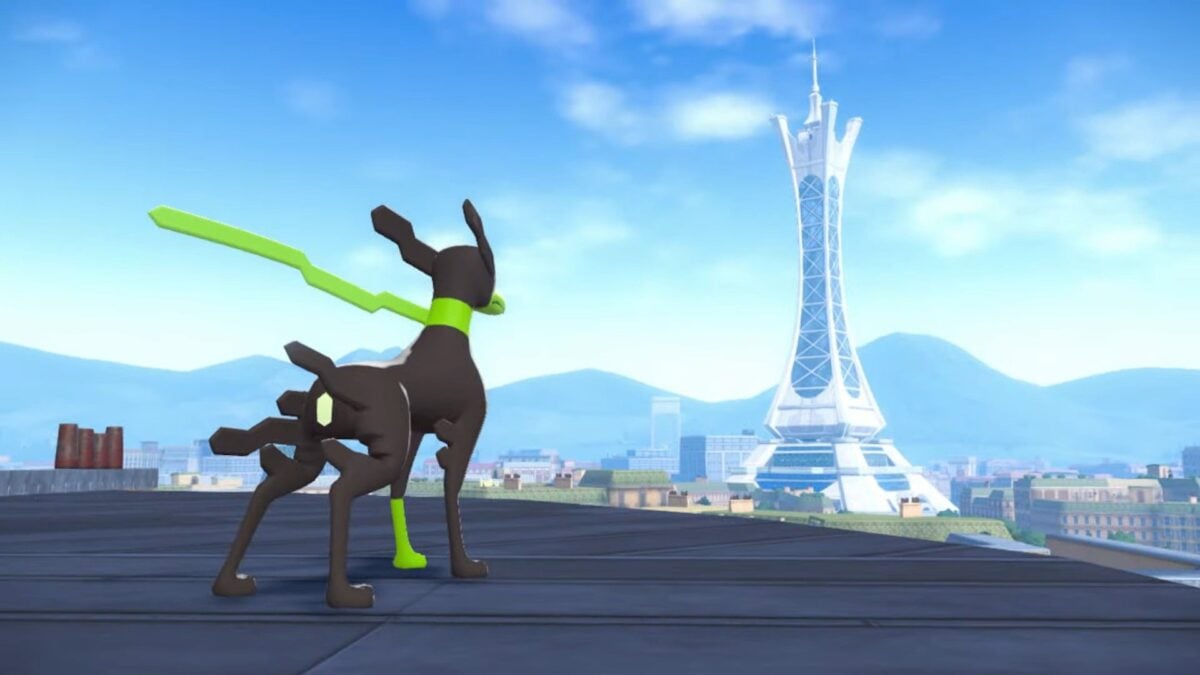
In the vast and vibrant universe of Pokémon, where over a thousand distinct creatures roam, it's a common assumption that a hierarchy of popularity exists. Iconic figures like Pikachu, Charizard, and Lucario bask in universal adoration, while others, perhaps less aesthetically striking or competitively viable, are often relegated to the sidelines of collective memory. Yet, a profound and heartwarming truth has emerged from the depths of this digital ecosystem: every single Pokémon, without exception, is someone's favorite. This revelation isn't just a charming anecdote; it's a powerful testament to the franchise's design philosophy, the diversity of human connection, and the intricate ways in which individuals form bonds with fictional characters.
For decades, fans have debated the merits of various Pokémon designs, often dismissing those deemed 'ugly,' 'boring,' or 'useless.' Who, after all, truly cherishes a Goldeen or a Dewpider? The answer, it turns out, is many. This phenomenon underscores a fundamental aspect of human psychology: our capacity for unique preferences and the deep, often irrational, connections we forge. It challenges the very notion of objective 'good' or 'bad' design within such a rich and varied creative landscape, affirming that beauty, and indeed favoritism, truly lies in the eye of the beholder.
The Psychology of Fandom: Beyond Aesthetics and Power
The idea that every Pokémon has a devoted fan base delves into the complex psychology of fandom. It's not always about competitive advantage, sleek design, or even nostalgic ties to the original 151. For many, a Pokémon's appeal can stem from deeply personal experiences. Perhaps a child caught a seemingly insignificant Pokémon early in their game, and it became an unexpected cornerstone of their team, battling through tough Gym Leaders and Elite Four challenges. This shared journey imbues the creature with sentimental value far beyond its base stats or visual appeal. For others, it might be a quirky animation, a unique cry, or a Pokedex entry describing an unusual habitat or behavior that resonates with them.
Consider the often-maligned Trubbish, a Pokémon literally designed to resemble a bag of trash. While many might recoil, a segment of the fanbase finds its underdog status endearing, or appreciates the environmental commentary it subtly embodies. Similarly, Stunfisk, with its peculiar flat design, might be overlooked by some, but its unique typing (Ground/Electric) and surprising competitive viability in certain formats have earned it a dedicated following among strategic players. These examples highlight that connection isn't solely predicated on conventional attractiveness or power; it's a multifaceted tapestry woven from personal narrative, strategic utility, and even a fondness for the unconventional.
The Breadth of Design: A Thousand Stories, A Thousand Connections
Game Freak, the developers behind Pokémon, have consistently pushed the boundaries of creature design, moving far beyond traditional animal archetypes. From inanimate objects brought to life (like Klefki the keyring or Vanilluxe the ice cream cone) to abstract concepts (like Porygon the virtual Pokémon), the sheer diversity is staggering. This breadth is precisely what allows for such a wide spectrum of favorites.
When a franchise reaches over a thousand unique entities, the probability of niche appeal dramatically increases. Each design, no matter how obscure it might seem to the majority, is a deliberate creation. It represents an idea, a concept, or an aesthetic choice. For someone, that specific choice will click. It might remind them of a pet, a childhood toy, a cultural reference, or even a personal struggle. The sheer volume of Pokémon ensures that almost every conceivable aesthetic and conceptual preference is catered to, even if unintentionally. This 'something for everyone' approach, whether by design or by happy accident, is a cornerstone of the franchise's enduring global appeal.
The Role of Community and Digital Spaces
The rise of online communities and social media has played a significant role in bringing these 'unpopular' favorites into the spotlight. Platforms like Reddit, Twitter, and dedicated Pokémon forums allow fans to connect and share their unique affections. What might have once been a solitary preference is now celebrated within a niche community. Subreddits dedicated to specific, less popular Pokémon, or threads where users share their 'unpopular opinions' about their favorite creatures, are common. These digital spaces provide validation and a sense of belonging for those whose favorite Pokémon might not be the typical poster child.
Furthermore, fan art, fan fiction, and competitive battling communities often shine a light on overlooked Pokémon. A skilled artist might transform a seemingly bland design into something captivating, or a competitive player might discover a hidden gem with a unique ability or stat distribution that makes it viable in certain strategies. These community-driven efforts actively foster appreciation for the entire roster, ensuring that even the most obscure creatures receive their moment in the sun.
Implications for Game Design and Franchise Longevity
The knowledge that every Pokémon is someone's favorite carries significant implications for game developers and the future of the franchise. It suggests that while creating universally appealing designs is beneficial, maintaining a diverse and sometimes experimental approach to creature creation is equally vital. It validates the inclusion of designs that might not immediately resonate with the mainstream, understanding that they will find their audience.
This insight also reinforces the importance of player agency and personal narrative within the games. When players are given the freedom to choose their team, whether based on aesthetics, sentiment, or competitive viability, they form stronger bonds with their chosen companions. This deep personal connection is a powerful driver of engagement and loyalty, contributing significantly to the franchise's remarkable longevity. It's not just about catching 'em all; it's about finding your all, the specific creatures that speak to you.
In conclusion, the revelation that every Pokémon, from the majestic Charizard to the humble Goldeen, holds a special place in someone's heart is a beautiful testament to the power of diverse design and individual connection. It transcends simple metrics of popularity, highlighting the profound and often idiosyncratic ways we engage with fictional worlds. As the Pokémon universe continues to expand, adding new creatures and new regions, this underlying principle ensures that the magic of discovery and personal favoritism will remain at its core, solidifying its status as a cultural phenomenon that continues to capture the imaginations of millions, one unique Pokémon at a time.
Stay Informed
Get the world's most important stories delivered to your inbox.
No spam, unsubscribe anytime.
Comments
No comments yet. Be the first to share your thoughts!