The Unseen Horrors: Resident Evil Requiem's Cut Chapter and the Art of Game Design
Resident Evil Requiem, a highly anticipated title, underwent significant content cuts, including an entire chapter, before its release. Director Koshi Nakanishi revealed this rigorous process, shedding light on the delicate balance between creative vision and market appeal in modern game development. This decision highlights the complex challenges faced by developers in crafting compelling horror experiences while striving for broader accessibility.
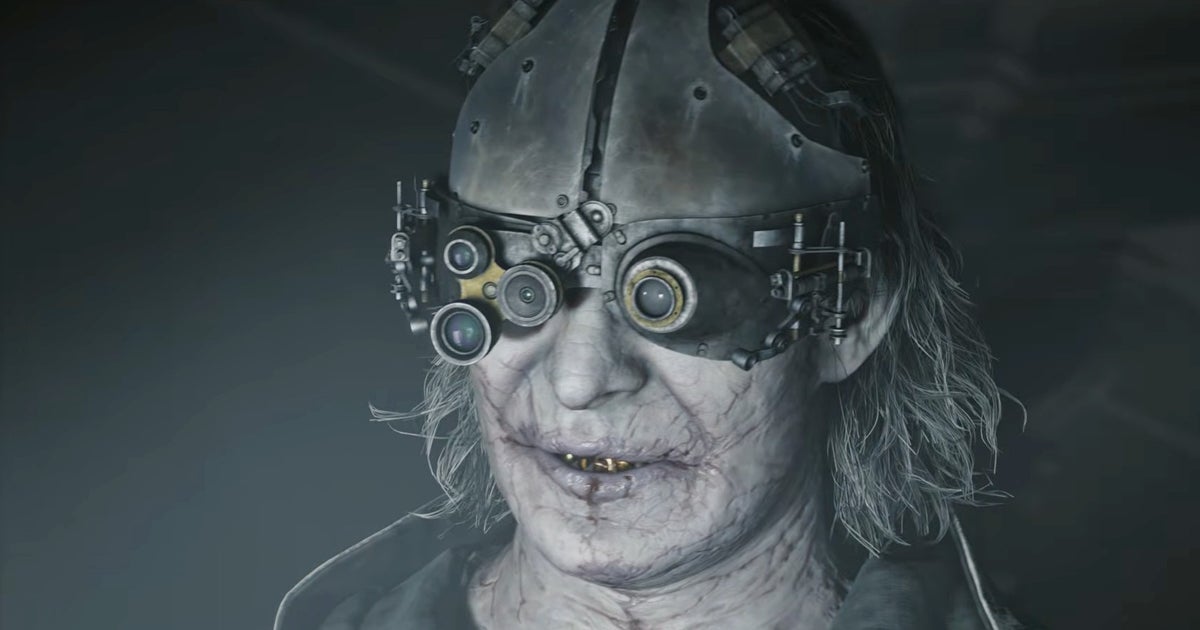
In the high-stakes world of video game development, where creative ambition often collides with commercial realities, the story of Resident Evil Requiem offers a fascinating glimpse into the rigorous decisions made behind the scenes. Director Koshi Nakanishi recently disclosed that an entire chapter of the highly anticipated horror title was excised during its development, a revelation that underscores the often-unseen sacrifices made in the pursuit of a polished, market-ready product. This "rigorous process of selection and elimination," as Nakanishi described it, is a testament to the complex alchemy involved in crafting a game that resonates with both its core fanbase and a wider audience.
The Anatomy of a Cut: Why Chapters Disappear
The notion of cutting significant content from a game, especially a chapter, might seem counterintuitive to players who crave more expansive experiences. However, for developers, it's a critical, albeit painful, part of the creative process. Nakanishi's comments, made during an interview with Denfaminicogamer, suggest that such decisions are rarely arbitrary. They often stem from a confluence of factors: pacing issues, narrative coherence, technical constraints, budget limitations, or even a desire to refine the game's core identity. In the case of Requiem, the removal of an entire chapter likely aimed to streamline the player experience, ensuring that the horror elements hit harder and the story maintained a relentless, gripping pace. This isn't an isolated incident; the history of game development is replete with tales of ambitious features, levels, and even entire storylines ending up on the cutting room floor. From early iterations of Final Fantasy VII that envisioned a detective plot to The Last of Us Part II's rumored alternate endings, these cuts are often made to serve the larger vision, even if it means sacrificing compelling individual pieces.
Balancing Fear and Accessibility: The Modern Horror Dilemma
Nakanishi also touched upon the delicate balance of making horror approachable, a challenge that has become increasingly pertinent in the contemporary gaming landscape. The Resident Evil franchise, known for its pioneering role in survival horror, has navigated this tightrope for decades. Early titles were unforgiving, characterized by limited resources, labyrinthine environments, and genuinely terrifying encounters. However, as the series evolved, especially with titles like Resident Evil 4, it began to incorporate more action-oriented gameplay, attracting a broader audience but sometimes diluting the pure horror experience. Requiem's development seems to reflect a conscious effort to find a middle ground. Making horror "approachable" doesn't necessarily mean making it less scary; rather, it often involves refining mechanics, improving onboarding for new players, and ensuring that the difficulty curve is engaging rather than frustrating. This approach acknowledges that while jump scares and gore have their place, true horror often lies in atmosphere, psychological tension, and the player's vulnerability. The goal is to create an experience that is terrifying enough to satisfy veterans but not so alienating that it pushes away newcomers. This strategy is crucial for a franchise like Resident Evil, which needs to innovate and attract new fans while retaining the loyalty of its long-standing community.
The Economic and Creative Pressures of AAA Development
The decision to cut content is not just an artistic one; it's deeply intertwined with the economic realities of AAA game development. Modern games are multi-million dollar productions, often involving hundreds of developers over several years. Every hour of development, every asset created, and every line of code written translates directly into costs. Unforeseen delays, scope creep, or features that don't quite fit can quickly balloon budgets and push release dates. In this environment, a director like Nakanishi must act as both a creative visionary and a pragmatic project manager. The "rigorous process of selection and elimination" is, therefore, a necessary evil, a way to ensure that the final product is not only artistically coherent but also financially viable. This pressure is amplified by the intense competition in the gaming market, where a single misstep can lead to critical backlash and commercial failure. Publishers demand not just good games, but successful games, and sometimes, success means making tough calls about what stays and what goes. This often involves extensive playtesting, market research, and iterative development, where feedback from various sources can lead to significant revisions, including the removal of entire sections deemed redundant or detrimental to the overall experience.
Implications for Players and the Future of Gaming
For players, revelations like Nakanishi's offer a rare peek behind the curtain, fostering a deeper appreciation for the complexities of game creation. It reminds us that the games we play are not just products of pure inspiration but also of meticulous planning, difficult compromises, and countless hours of refinement. While it's natural to wonder what might have been in the excised chapter, understanding the rationale behind such decisions can enhance our understanding of game design principles. It also raises questions about the future of content in games. Will we see more modular releases, where cut content is eventually released as DLC, or will developers continue to prioritize a tightly curated, singular experience? The trend towards live-service games and post-launch content updates suggests a hybrid approach might be emerging, where initial releases are polished and focused, with additional narrative or gameplay elements introduced later. However, for a narrative-driven experience like Resident Evil, the integrity of the core story remains paramount. The director's commitment to a cohesive vision, even if it means sacrificing content, speaks volumes about the artistic integrity still present in the industry.
Conclusion: The Unseen Art of Refinement
Koshi Nakanishi's candid admission about Resident Evil Requiem's cut chapter serves as a powerful reminder of the unseen artistry involved in game development. It's not just about what makes it into the final product, but also about the difficult, strategic choices of what to leave out. This process, driven by a desire for optimal pacing, narrative impact, and broader accessibility, is crucial for shaping a game's identity and ensuring its success in a competitive market. As players, understanding these behind-the-scenes decisions allows us to appreciate the final product not just as a collection of features, but as a carefully sculpted experience, where every element is intentionally placed, and every omission serves a greater purpose. The unseen horrors, it turns out, are not just within the game's narrative, but also in the difficult choices made to bring that narrative to life. The ongoing evolution of the Resident Evil franchise, continually adapting to new technologies and player expectations while striving to maintain its terrifying essence, stands as a testament to this enduring art of refinement.
Stay Informed
Get the world's most important stories delivered to your inbox.
No spam, unsubscribe anytime.
Comments
No comments yet. Be the first to share your thoughts!