Through a Kiwi Lens: Trump's America and the Iran Crisis in Red State Texas
New Zealand photographer Craig Wright embarked on a documentary project in Texas, aiming to capture the essence of red-state culture. His plans dramatically shifted when a US-Israel attack on Iran unfolded, placing him at the heart of conservative America's response to Donald Trump's evolving foreign policy. This article delves into Wright's unique perspective, exploring the complexities of American political identity and the unexpected convergence of local culture with global events.
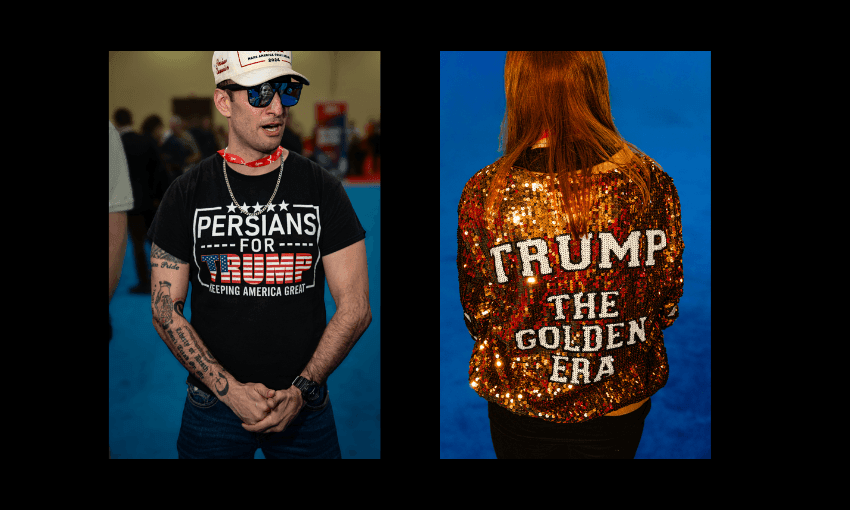
In the vast, sun-baked landscapes of Texas, New Zealand photographer Craig Wright sought to capture the nuanced tapestry of America's red-state culture. His long-planned documentary project aimed to peel back the layers of conservative life, offering an outsider's perspective on a deeply ingrained national identity. However, the lens through which he viewed this America was abruptly refocused by a seismic geopolitical event: a joint US-Israel attack on Iran. What began as an exploration of Texan conservatism quickly transformed into a front-row seat to the unfolding drama of American public opinion, as citizens grappled with Donald Trump’s shifting foreign policy and the specter of war.
Wright’s initial intention was to immerse himself in the daily rhythms of conservative communities, to understand the values, traditions, and aspirations that define this significant segment of the American populace. He arrived with an open mind, ready to challenge preconceived notions and document an authentic reality. The sudden escalation in the Middle East, however, presented an unforeseen and compelling narrative, forcing Wright to adjust his focus from the mundane to the monumental. His photographs and observations became a unique historical record, capturing the immediate, unfiltered reactions of ordinary Americans to an extraordinary global crisis.
The Unfolding Crisis: A Texan Perspective
The news of the US-Israel attack on Iran reverberated across the globe, but its echoes were particularly distinct in the conservative heartland of Texas. For many, the initial reaction was a complex mix of patriotism, apprehension, and a deep-seated trust in presidential authority. Wright observed how local news channels and talk radio became conduits for information and opinion, shaping narratives that often aligned with a strong nationalistic stance. Conversations in diners, churches, and community gatherings quickly shifted from local concerns to international affairs, with Iran becoming a central topic of debate.
Wright noted a prevailing sentiment among some conservatives that strong action against perceived adversaries was necessary to protect American interests and project power. This often manifested as vocal support for President Trump’s decisions, even if the specifics of the conflict were not fully understood. There was a palpable sense of 'rally around the flag,' where political differences were momentarily set aside in the face of an external threat. However, this was not a monolithic response. Wright also encountered individuals who expressed caution, questioning the long-term implications of military engagement and fearing potential repercussions for American troops and the global economy.
Trump's Shifting Sands: Loyalty and Disillusionment
Donald Trump’s foreign policy, characterized by its unpredictability and 'America First' doctrine, had always elicited strong reactions. The Iran crisis brought this into sharp relief. For his staunch supporters, the attack was seen as a decisive move, a demonstration of strength that previous administrations had lacked. They viewed it as Trump fulfilling his promise to be tough on America's enemies, reinforcing their belief in his leadership. Wright documented the fervent loyalty, often expressed through social media posts, public rallies, and personal conversations, where Trump's actions were framed as both strategic and necessary.
Yet, the crisis also revealed cracks in the facade of unwavering support. Some conservatives, particularly those with military backgrounds or a strong understanding of geopolitical complexities, voiced concerns about the potential for unintended escalation. They worried about the human cost of war, the stability of the region, and the burden placed on American service members. Wright's photographs captured the subtle expressions of doubt and anxiety, the moments of quiet reflection that contrasted with the more boisterous displays of support. This internal tension within the conservative movement highlighted the multifaceted nature of political allegiance, where loyalty to a leader could coexist with genuine apprehension about the consequences of their actions.
The Red State Identity: Beyond Politics
Beyond the immediate political reactions, Wright’s project offered a deeper insight into the enduring elements of red-state culture. Even amidst the discussions of war and foreign policy, the core values of community, faith, and personal liberty remained prominent. He observed how these values shaped individual responses to the crisis. For many, faith played a significant role, with prayers for peace and for the safety of soldiers becoming a common theme in religious gatherings. The emphasis on personal responsibility and self-reliance also influenced how individuals processed the news, often leading to a focus on local preparedness and community support networks.
Wright's documentary work transcended mere political commentary, delving into the human experience of living through a moment of global uncertainty. He captured the resilience of communities, the strength of family bonds, and the quiet dignity of individuals navigating complex times. His outsider perspective allowed him to highlight aspects that might be overlooked by an American observer – the subtle nuances of regional identity, the enduring power of tradition, and the ways in which global events are filtered through a distinctly local lens. The red state, as seen through Wright's eyes, was not a monolithic political bloc, but a vibrant mosaic of individuals with diverse perspectives, united by certain shared values but also grappling with internal contradictions.
Implications and the Future of American Conservatism
The Iran crisis, as observed by Wright, served as a microcosm of broader trends within American conservatism. It underscored the profound influence of a charismatic leader like Donald Trump, capable of reshaping traditional foreign policy stances and rallying a significant base. It also revealed the underlying tensions between different factions within the movement: the staunch loyalists, the pragmatic conservatives, and those who prioritize traditional values over political expediency. The event highlighted the ongoing debate about America's role in the world, oscillating between interventionism and a more isolationist 'America First' approach.
Wright’s work provides valuable insights for understanding the future trajectory of American politics. As global events continue to unfold, the reactions of red-state America will remain a critical factor in shaping national discourse and policy. The ability of leaders to navigate these complex issues, while maintaining the trust and support of their base, will be paramount. Furthermore, the documentary serves as a reminder of the importance of diverse perspectives in journalism, demonstrating how an external viewpoint can illuminate internal dynamics with fresh clarity.
In conclusion, Craig Wright’s unexpected journey into the heart of conservative Texas during a period of international crisis offers a compelling narrative. His photographs and observations provide a rare glimpse into the immediate human impact of geopolitical events on a specific segment of the American population. It's a story not just about politics or war, but about identity, loyalty, and the enduring spirit of communities grappling with a rapidly changing world. His work underscores that even in the most politically charged environments, the human element—the hopes, fears, and resilience of individuals—remains at the forefront, offering a profound commentary on the intricate relationship between local life and global affairs.
Stay Informed
Get the world's most important stories delivered to your inbox.
No spam, unsubscribe anytime.
Comments
No comments yet. Be the first to share your thoughts!