Tragedy in Morocco: US Army Identifies Soldier Found After Training Exercise Disappearance
The U.S. Army has confirmed the recovery and identification of 1st Lt. Kendrick Lamont Key Jr., one of two soldiers who went missing during a training exercise in Morocco. This somber announcement casts a spotlight on the inherent risks of military drills and the enduring bond between allied nations. The incident has prompted an ongoing investigation, raising questions about safety protocols during international joint operations.
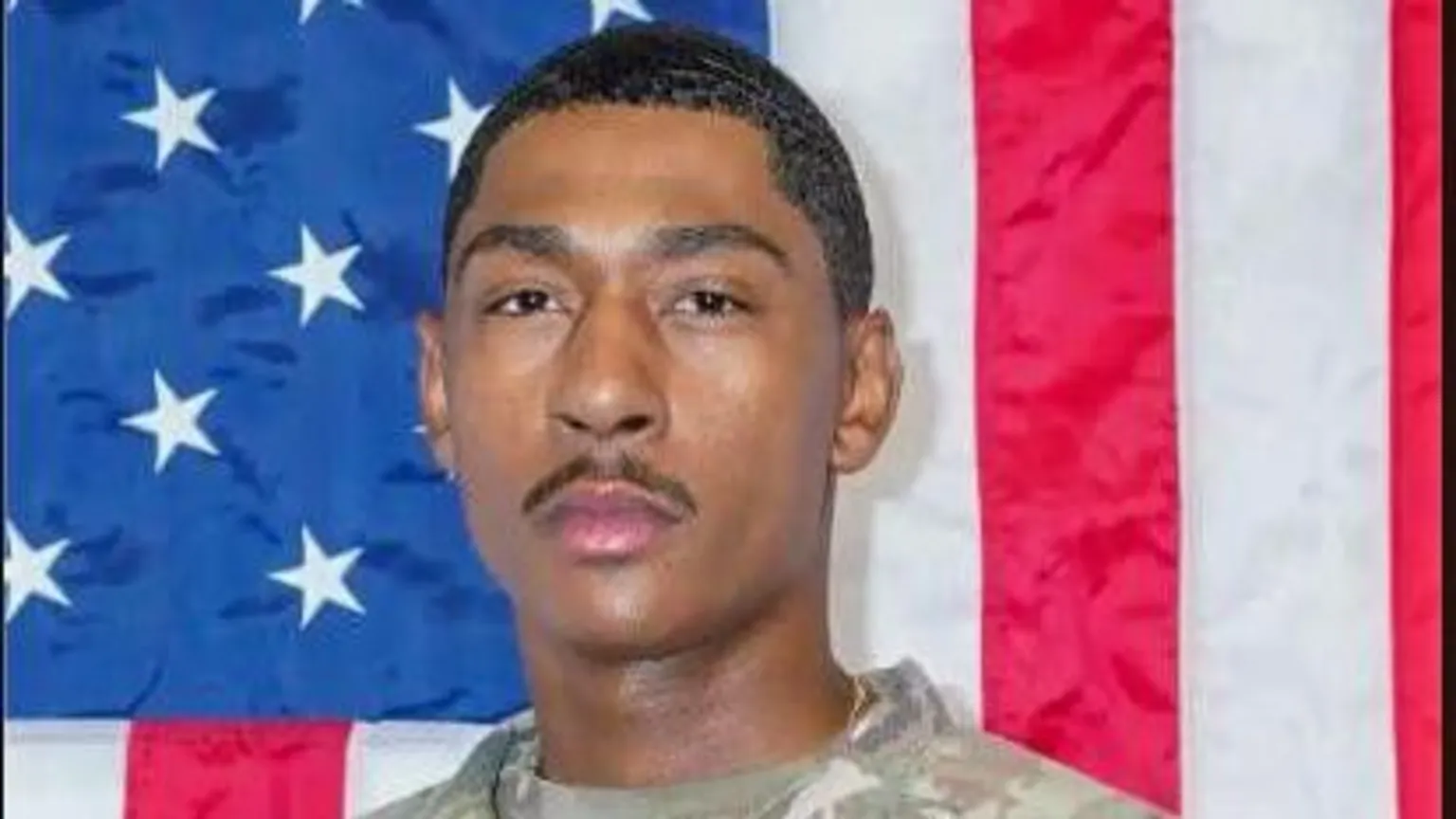
The somber news reverberated through military communities and international diplomatic circles this week: the body of one of two U.S. soldiers who vanished during a routine training exercise in Morocco has been recovered and identified. The U.S. Army officially announced the tragic finding, naming the fallen service member as 1st Lt. Kendrick Lamont Key Jr., a 27-year-old platoon leader and air defense artillery officer. His disappearance, alongside another soldier, during a crucial joint exercise with Moroccan forces, had sparked an intensive search operation and raised concerns about the safety and coordination of such international endeavors.
Key Jr.'s recovery brings a painful closure to his family and comrades, even as the search for the second missing soldier continues. This incident underscores the profound sacrifices made by military personnel not just in combat zones, but also during essential training that underpins global security and strategic alliances. The circumstances surrounding his disappearance and subsequent death remain under investigation, promising a thorough review of the protocols and procedures in place during these high-stakes drills.
The Joint Exercise: African Lion and its Significance
1st Lt. Key Jr. was participating in African Lion, one of the largest and most significant annual military exercises conducted by U.S. Africa Command (AFRICOM). This multinational exercise involves thousands of service members from the United States, Morocco, and several other African and European partner nations. Its primary objectives include enhancing interoperability, strengthening regional stability, and improving the collective ability to counter transnational threats, including terrorism and illicit trafficking. African Lion typically features a wide array of training scenarios, from airborne operations and naval maneuvers to command post exercises and humanitarian civic assistance projects.
The exercise is not merely a display of military might; it is a critical component of U.S. foreign policy in Africa, fostering enduring relationships and building capacity among allied forces. For Morocco, hosting African Lion is a testament to its strategic importance as a key U.S. ally in North Africa, providing a stable platform for regional security cooperation. The tragic loss of a soldier during such an exercise, however, serves as a stark reminder of the inherent dangers, even in non-combat training environments. The rugged terrain, challenging weather conditions, and complex logistical demands of large-scale operations always carry risks, which are meticulously planned for but can never be entirely eliminated.
The Search and Recovery Effort
Upon the initial report of the soldiers' disappearance, a massive search and rescue operation was immediately launched. This effort involved a coordinated response from both U.S. and Moroccan military personnel, utilizing advanced search technologies, ground teams, and aerial surveillance. The terrain in the area where the exercise was taking place is known for its challenging features, including mountainous regions, deserts, and coastal areas, which can complicate search efforts significantly. The U.S. Army's statement highlighted the collaborative nature of the search, emphasizing the strong partnership with Moroccan authorities.
The recovery of 1st Lt. Key Jr.'s body was a painstaking process, requiring dedication and perseverance from the search teams. While the specific details of the recovery location and the immediate cause of death have not been publicly disclosed, military investigations typically involve forensic analysis, interviews with witnesses, and a comprehensive review of all operational data. This meticulous process aims to understand what transpired, identify any contributing factors, and implement measures to prevent similar incidents in the future. The ongoing search for the second soldier remains a top priority, with resources continually deployed to bring closure to another family.
A Life of Service: Remembering 1st Lt. Kendrick Lamont Key Jr.
1st Lt. Kendrick Lamont Key Jr. was more than just a soldier; he was a dedicated leader, a son, and a valued member of his community. At 27 years old, he represented the best of the U.S. military's commitment to service and duty. As a platoon leader in air defense artillery, his role was critical in protecting ground forces from aerial threats, a highly specialized and demanding field. His service record, though not fully detailed in initial reports, undoubtedly reflects a commitment to excellence and a passion for defending his nation.
His passing is a profound loss not only to his immediate family and friends but also to the broader military family. Tributes from fellow service members and commanders often speak to the camaraderie and deep bonds forged in uniform, where shared experiences and mutual reliance create an unbreakable connection. The military community rallies around its fallen, ensuring that their sacrifice is honored and their families receive the support they need during such an unimaginably difficult time. His story serves as a poignant reminder of the human cost of maintaining global peace and security, even in times of training.
Implications for Future International Drills
The tragic incident during African Lion will undoubtedly prompt a rigorous review of safety protocols and operational procedures for future international training exercises. While accidents are an unfortunate reality in military operations, every effort is made to minimize risks and ensure the well-being of service members. Investigations into such events typically examine:
* Risk Assessment: Was the initial risk assessment comprehensive enough for the specific terrain and conditions? * Communication Protocols: Were communication channels clear and effective between all participating units and nations? * Equipment and Training: Was all equipment functioning correctly, and were personnel adequately trained for the specific tasks and environment? * Emergency Response: How swiftly and effectively was the emergency response initiated and executed?
The findings from this investigation will be crucial in refining best practices for joint military exercises worldwide. It is a testament to the military's commitment to continuous improvement and learning from every incident, no matter how tragic. The U.S. and Morocco's strong alliance is expected to endure, but with an even greater emphasis on ensuring the utmost safety for all participants in future cooperative endeavors. This tragedy, while deeply saddening, will ultimately contribute to making these vital training operations safer and more effective for the brave men and women who serve.
In conclusion, the recovery and identification of 1st Lt. Kendrick Lamont Key Jr. marks a sorrowful chapter in the ongoing narrative of military service. His sacrifice highlights the inherent dangers of even non-combat operations and the unwavering dedication of those who volunteer to protect their nations. As investigations continue and the search for the second soldier persists, the international community mourns a fallen hero and reaffirms its commitment to learning from tragedy, strengthening alliances, and ensuring the safety of its service members worldwide. The legacy of 1st Lt. Key Jr. will undoubtedly live on, reminding us of the profound human element behind every uniform and every mission.
Stay Informed
Get the world's most important stories delivered to your inbox.
No spam, unsubscribe anytime.
Comments
No comments yet. Be the first to share your thoughts!