Tragedy in Shreveport: Unpacking America's Deadliest Mass Shooting of Children in Years
Shreveport, Louisiana, is reeling from an unimaginable tragedy after a domestic violence incident escalated into the nation's deadliest mass shooting involving children in over two years. Eight young lives were lost across two homes, prompting a nationwide conversation about gun violence, mental health, and the devastating impact of domestic disputes. This article explores the immediate aftermath, the systemic issues at play, and the profound grief gripping a community.
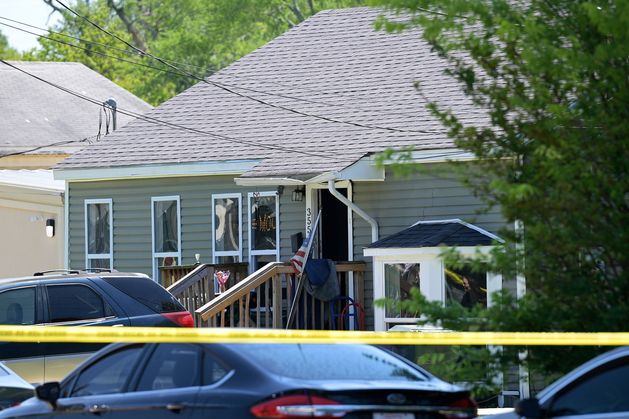
The silence that fell over Shreveport, Louisiana, on that fateful day was not one of peace, but of profound shock and unspeakable grief. What began as a domestic dispute spiraled into a horrific act of violence, claiming the lives of eight innocent children across two different homes. This tragic event, described by Shreveport Police Department spokesperson Chris Bordelon as “an extensive scene unlike anything most of us have ever seen,” immediately registered as the nation’s deadliest mass shooting in over two years, casting a dark shadow over the community and reigniting urgent discussions about gun control, domestic violence, and child protection in America.
The victims, ranging in age from one to seventeen, were caught in a nightmare that no child should ever endure. Their deaths have sent ripples of anguish far beyond the city limits, prompting an outpouring of condolences and a desperate search for answers. As investigators piece together the events leading to such a catastrophic loss, the incident serves as a stark, painful reminder of the pervasive nature of gun violence and the often-hidden dangers lurking within domestic settings.
The Unfolding Horror and Immediate Aftermath
The initial reports painted a grim picture: multiple fatalities, all minors, at two distinct locations. Law enforcement, first responders, and forensic teams descended upon the quiet residential areas, transforming them into active crime scenes. The sheer scale of the tragedy, with so many young lives extinguished in a single act, overwhelmed local resources and left seasoned officers visibly shaken. "We're holding the victims and their families close in our prayers," a local official stated, echoing the sentiment of a community struggling to comprehend the incomprehensible.
The swift response of emergency services was crucial, but the damage was already done. The focus quickly shifted from rescue to recovery and investigation. Detectives began the meticulous process of gathering evidence, interviewing witnesses, and attempting to reconstruct the timeline of the assailant's rampage. The emotional toll on the first responders, who faced the devastating reality of eight deceased children, cannot be overstated. Support services were immediately mobilized for them, recognizing the secondary trauma inherent in such a horrific scene.
A Nation Grapples with Gun Violence and Domestic Tragedy
This incident is not an isolated one but rather a chilling manifestation of intertwined societal challenges: gun violence and domestic abuse. The United States has a tragically high rate of both, and when they converge, the results are often catastrophic. According to the Gun Violence Archive, there have been hundreds of mass shootings annually in recent years, with a significant portion stemming from domestic disputes. Data from the National Coalition Against Domestic Violence (NCADV) indicates that access to firearms increases the risk of homicide in domestic violence situations by 500%.
Experts in criminology and public health often point to the critical nexus between domestic violence and mass shootings. Perpetrators of mass violence frequently have a history of domestic abuse, indicating a pattern of control, aggression, and disregard for human life that escalates over time. This Shreveport tragedy underscores the urgent need for more robust interventions, including stricter enforcement of existing laws that prohibit individuals with domestic violence convictions from owning firearms, and enhanced support systems for victims of abuse.
The Psychological and Societal Ripples
The impact of such an event extends far beyond the immediate victims and their families. The entire community of Shreveport will bear the scars of this day for years to come. Children who lost classmates, teachers who lost students, and neighbors who lost a sense of security will all require extensive psychological support. Trauma-informed care will be paramount in helping residents process their grief and fear.
Societally, this tragedy serves as another grim statistic in the ongoing debate about gun control. Calls for legislative action, including universal background checks, bans on assault weapons, and red flag laws, are likely to intensify. However, the political landscape remains deeply divided, often leading to legislative stalemates. The challenge lies in finding common ground that respects constitutional rights while simultaneously protecting innocent lives from preventable violence.
Furthermore, the incident highlights the critical need for greater awareness and intervention in cases of domestic violence. Often hidden behind closed doors, domestic abuse can fester and escalate with deadly consequences. Community initiatives, public awareness campaigns, and accessible resources for victims are vital in preventing future tragedies. It is imperative that society empowers individuals to recognize the signs of abuse and provides safe avenues for reporting and escaping dangerous situations.
Moving Forward: Healing and Prevention
As Shreveport begins the arduous process of mourning and healing, the focus must shift towards long-term support for the affected families and the wider community. Memorials, vigils, and counseling services will play a crucial role in fostering collective grief and beginning the journey toward recovery. The resilience of the human spirit, while tested, often shines brightest in the face of such adversity.
Beyond immediate comfort, this tragedy demands a renewed commitment to prevention. This includes a multi-faceted approach:
* Strengthening Gun Laws: Advocating for and implementing common-sense gun safety measures. * Enhancing Domestic Violence Support: Increasing funding for shelters, hotlines, and legal aid for victims. * Mental Health Awareness: Destigmatizing mental health issues and ensuring access to comprehensive mental healthcare. * Community Engagement: Fostering environments where neighbors look out for one another and are not afraid to report suspicious or concerning behavior.
The loss of eight young lives in Shreveport is a profound wound in the fabric of American society. It is a call to action, a somber reminder that the fight against violence, in all its forms, requires constant vigilance, unwavering compassion, and a collective will to create a safer world for all children. The memory of those lost must serve as a catalyst for meaningful change, ensuring that such a tragedy is never repeated.
Stay Informed
Get the world's most important stories delivered to your inbox.
No spam, unsubscribe anytime.
Comments
No comments yet. Be the first to share your thoughts!