Tragedy on Halmahera: Two Singaporeans Confirmed Dead in Mount Dukono Eruption
A devastating eruption of Mount Dukono in Indonesia's Halmahera island has claimed the lives of two Singaporean nationals, as confirmed by local rescue officials. The incident highlights the inherent dangers of active volcanoes in the 'Ring of Fire' and the challenges faced by rescue teams in treacherous conditions. This tragedy serves as a stark reminder of nature's unpredictable power and the critical importance of adhering to safety advisories in volcanic regions.
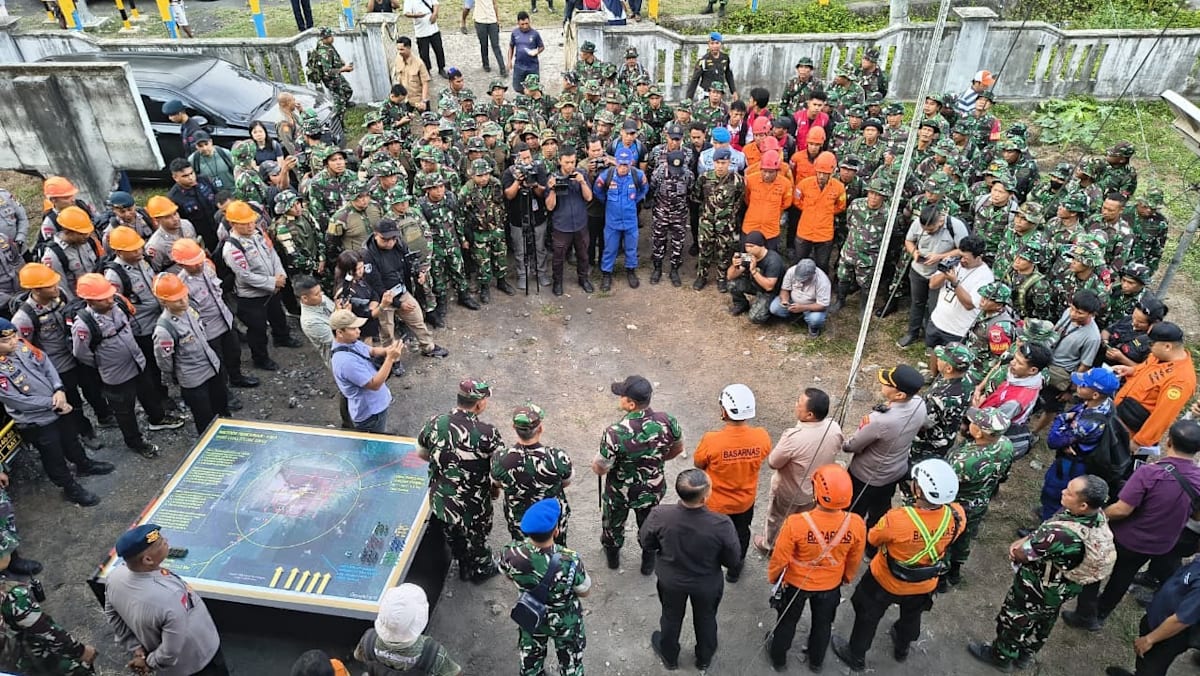
The serene, emerald landscapes of Indonesia's Halmahera island, a jewel in the sprawling archipelago, have been marred by a profound tragedy. What began as a journey of exploration or adventure for two Singaporean nationals culminated in a heartbreaking end, as local authorities confirmed their deaths following the recent eruption of Mount Dukono. The news, delivered by Iwan Ramdani, chief of the local search and rescue agency, sent ripples of sorrow across Singapore and Indonesia, underscoring the unpredictable and often perilous nature of living within the Earth's most geologically active zones. Their bodies, discovered near the volatile crater, represent a somber testament to the immense power of nature, even as persistent rain and challenging terrain continue to impede recovery efforts, delaying the final journey home.
The Unfolding Disaster: A Timeline of Events
Mount Dukono, one of Indonesia's most active volcanoes, had been exhibiting increased seismic activity for weeks, a common precursor to an eruption in the region. Despite warnings and exclusion zones typically enforced around such volatile natural landmarks, the allure of its majestic, albeit dangerous, beauty often draws adventurers. The exact circumstances leading to the Singaporeans' presence so close to the crater during an active phase remain under investigation, but their disappearance was reported shortly after the volcano's more intense eruptive phase. Rescue teams, comprising local volunteers, military personnel, and disaster management agencies, immediately launched a search operation. The terrain around Dukono is notoriously difficult, characterized by steep inclines, dense tropical rainforests, and volcanic ash that can turn into a treacherous mudslide with rainfall. The discovery of the bodies, while providing closure, also highlighted the immense risks rescuers undertake in such environments. "The bodies have been found and are in a safe zone, but rain is delaying evacuation," Ramdani stated, painting a vivid picture of the ongoing struggle against both the elements and the aftermath of the eruption.
Indonesia's Fiery Embrace: Living on the Ring of Fire
Indonesia is home to approximately 130 active volcanoes, more than any other country, a direct consequence of its location on the Pacific Ring of Fire, a horseshoe-shaped belt of seismic activity and volcanic eruptions that encircles the Pacific Ocean. This geological reality shapes every aspect of life in the archipelago, from its fertile soils enriched by volcanic ash to the ever-present threat of natural disasters. Mount Dukono, located on Halmahera island in North Maluku province, is a stratovolcano known for its persistent, low-level eruptions since 1933, with occasional larger events. Its constant activity makes it a subject of continuous monitoring by the Center for Volcanology and Geological Hazard Mitigation (PVMBG). For generations, Indonesian communities have developed a deep, often spiritual, relationship with these formidable mountains, respecting their power while learning to coexist with their unpredictable temperament. This coexistence, however, comes at a cost, as evidenced by the frequent evacuations, infrastructure damage, and, tragically, loss of life.
The Human Cost and International Implications
The deaths of the two Singaporean nationals underscore the global reach of such natural disasters. While the immediate impact is felt locally, the loss of foreign citizens often triggers international attention and diplomatic engagement. Singapore's Ministry of Foreign Affairs (MFA) would typically work closely with Indonesian authorities to facilitate the repatriation of remains and provide support to the bereaved families. Such incidents also serve as a stark reminder for international travelers about the importance of heeding travel advisories and understanding the risks associated with adventure tourism in geologically active regions. Tour operators and local guides also bear a significant responsibility in ensuring the safety of their clients, often navigating the fine line between offering thrilling experiences and exercising extreme caution. The tragedy prompts questions about the efficacy of warning systems, the enforcement of exclusion zones, and the preparedness of both tourists and local communities for sudden volcanic events. The emotional toll on families, friends, and the rescue teams involved is immense, a silent suffering that extends far beyond the immediate headlines.
Volcanic Monitoring and Future Preparedness
The science of volcanology has made significant strides in recent decades, with advanced monitoring systems employing seismographs, GPS, gas sensors, and satellite imagery to track volcanic activity. In Indonesia, the PVMBG plays a crucial role in issuing alerts and advising local governments on evacuation protocols. However, even with sophisticated technology, predicting the exact timing and intensity of eruptions remains an immense challenge. Volcanic activity is inherently complex and influenced by myriad subterranean forces. This incident highlights the need for continuous investment in research and development for early warning systems, as well as robust public education campaigns, particularly for residents and tourists in high-risk areas. Furthermore, international cooperation in disaster management and rescue operations is paramount. Sharing best practices, resources, and expertise can significantly enhance response capabilities and minimize casualties in future events. The lessons learned from tragedies like Mount Dukono's recent eruption contribute to a global understanding of volcanic hazards and the collective effort to mitigate their impact.
A Somber Reflection and Path Forward
The loss of two lives on Mount Dukono is a profound reminder of nature's untamed power and the inherent risks associated with exploring its most dramatic landscapes. For the families of the deceased, it is an unimaginable sorrow, a void left by an adventure tragically cut short. For Indonesia, it is another chapter in its long, complex relationship with its fiery mountains, a testament to both their destructive potential and their vital role in shaping the nation's geography and culture. As the immediate aftermath gives way to recovery and reflection, the focus must shift towards enhancing safety protocols, improving communication, and fostering a deeper respect for the natural forces that govern our planet. This tragedy, while deeply saddening, must serve as a catalyst for greater vigilance, ensuring that future explorations of such awe-inspiring, yet dangerous, places are undertaken with the utmost caution and preparedness, honoring the memory of those lost by striving for a safer tomorrow. The enduring spirit of adventure must always be tempered by an unwavering commitment to safety and an understanding of the profound risks involved.
Stay Informed
Get the world's most important stories delivered to your inbox.
No spam, unsubscribe anytime.
Comments
No comments yet. Be the first to share your thoughts!