Transatlantic Tensions Flare: Europe Pushes Back on US 'Threats' Amid NATO Unity Concerns
A reported US threat to Spain over its defense spending has ignited a fresh wave of transatlantic friction, exposing deep fault lines within NATO. European leaders, already grappling with internal crises, are voicing strong disapproval of Washington's perceived strong-arm tactics. This incident underscores a growing divergence in strategic priorities and a challenge to the alliance's foundational principles, raising questions about future cooperation and burden-sharing.
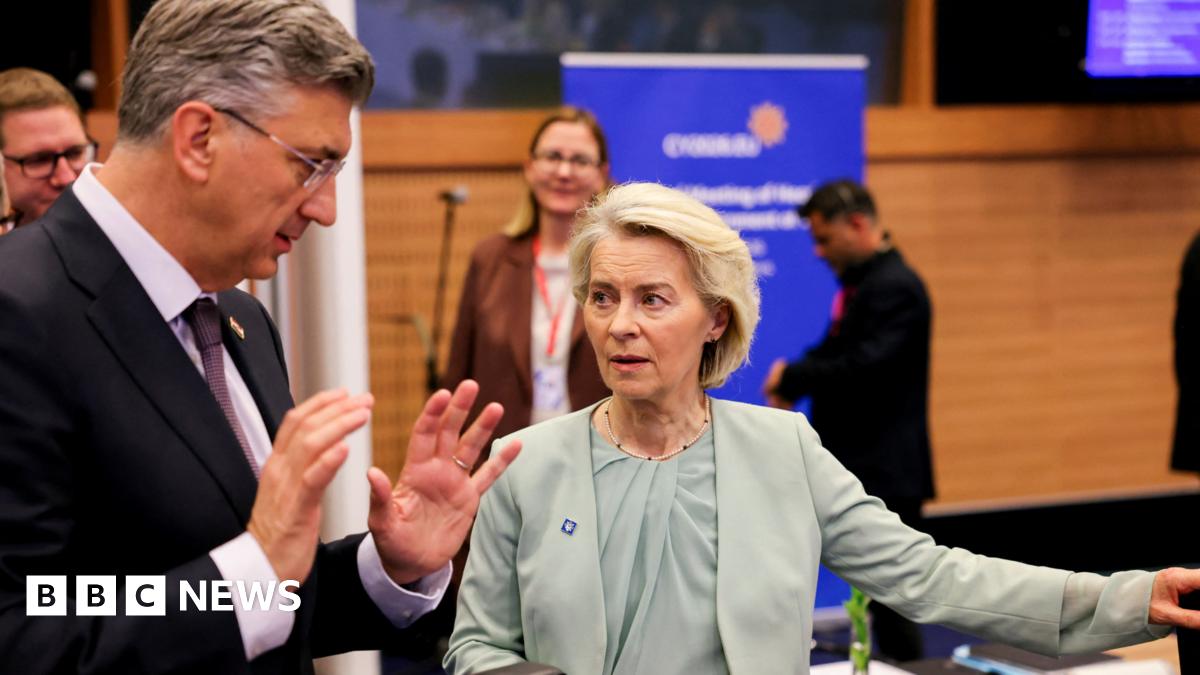
The air in European diplomatic circles has grown thick with a familiar, yet increasingly acrid, scent: transatlantic discord. What began as a simmering undercurrent of disagreement has, in recent days, erupted into open contention, fueled by reports of a direct US threat to Spain regarding its defense spending. This latest episode, described by some as a "Medusa-like head" rearing its ugly face, highlights a worrying trend of souring relations between Europe and the United States, casting a long shadow over the future of NATO and the broader Western alliance.
For years, the narrative of a united front against global challenges has been a cornerstone of transatlantic diplomacy. Yet, beneath this veneer, tensions have been steadily mounting. European leaders, often meeting to discuss mundane budgetary matters or internal policy, find themselves repeatedly sidetracked by what has become a recurring crisis in their relationship with Washington. The current flashpoint, involving Spain, is not an isolated incident but rather a symptom of deeper, structural issues that threaten to unravel decades of cooperation.
The Spanish Standoff: A Catalyst for European Ire
The specific details of the alleged threat to Spain remain somewhat shrouded, but the essence is clear: Washington reportedly warned Madrid that if it did not increase its defense spending to meet NATO's 2% of GDP target, the US would withdraw its military presence from the country. Spain currently hosts significant US naval and air assets, including the Rota naval base, a crucial hub for US Sixth Fleet operations and missile defense. The prospect of such a withdrawal is not merely a logistical challenge; it's a profound geopolitical statement, signaling a potential shift in US commitment to European security.
European officials have reacted with a mix of disbelief and indignation. "We don't accept threats," declared one senior EU diplomat, encapsulating the widespread sentiment. The perceived strong-arm tactics from Washington are seen as counterproductive, undermining the spirit of partnership that is supposed to define NATO. While the US has long advocated for greater burden-sharing within the alliance, the manner in which this message was reportedly delivered has provoked a backlash, uniting European capitals in their condemnation of what they view as coercive diplomacy.
Historical Context: A Shifting Transatlantic Dynamic
To understand the current friction, one must look back at the evolving nature of the transatlantic relationship. For much of the post-World War II era, the US played the undisputed role of global hegemon and security guarantor for Europe. The Cold War cemented this bond, with NATO serving as the bulwark against Soviet expansionism. However, the collapse of the Soviet Union ushered in a new geopolitical landscape, and with it, a gradual re-evaluation of roles and responsibilities.
Successive US administrations have, to varying degrees, pressed European allies to increase their defense spending. The argument is simple: why should American taxpayers shoulder a disproportionate share of the collective defense burden when European economies are robust? This sentiment intensified significantly during the Trump administration, which often adopted a transactional approach to alliances, viewing them through the lens of cost-benefit analysis. While the current administration has sought to restore a more traditional diplomatic tone, the underlying demand for greater European defense contributions remains firm.
However, Europe's perspective is often more nuanced. Many European nations have invested heavily in other forms of security, such as development aid, humanitarian assistance, and peacekeeping missions, which they argue contribute to global stability in ways not always captured by raw defense spending figures. Furthermore, the economic realities of post-financial crisis austerity and the ongoing costs of social welfare programs have made significant increases in military budgets a political challenge for many governments. The current energy crisis and inflation further complicate these budgetary decisions.
The Broader Implications for NATO and European Autonomy
The Spanish incident is more than just a bilateral spat; it has profound implications for the cohesion and future direction of NATO. If the US is willing to use the threat of troop withdrawals to enforce its demands, it sets a dangerous precedent. It could fracture alliance unity, embolden adversaries, and force European nations to reconsider their reliance on American security guarantees.
For Europe, this situation reinforces the long-standing debate about strategic autonomy. The idea of Europe being able to act independently in matters of defense and security, without being solely reliant on the US, has gained considerable traction. French President Emmanuel Macron has been a vocal proponent of this concept, arguing that Europe must develop its own defense capabilities and strategic culture. While progress has been slow, incidents like the one involving Spain provide a powerful impetus for accelerating these efforts.
* Increased European Defense Spending: While controversial when demanded by the US, the perceived threat might paradoxically push European nations to increase their defense budgets more organically, driven by a desire for self-reliance rather than external pressure. * Diversification of Alliances: Europe might seek to strengthen security partnerships with other global actors, reducing its singular dependence on the US. * Internal EU Cohesion: The external pressure could either unite EU members in defiance or exacerbate internal divisions over defense policy.
Expert Analysis: A Test of Alliance Resilience
Security analysts view this episode as a critical test for NATO's resilience. Dr. Elena Petrova, a senior fellow at the European Council on Foreign Relations, notes, "The US approach, while perhaps intended to spur action, risks alienating key allies. True burden-sharing comes from a shared understanding of threats and a collaborative strategy, not from ultimatums." She emphasizes that while the 2% target is important, the focus should also be on the effectiveness and interoperability of defense spending.
Conversely, some American strategists argue that the US has been too patient. "For decades, Europe has underinvested in its own defense, relying on the American security umbrella," states Mark Jenkins, a former Pentagon official. "At some point, tough love is necessary to ensure the alliance remains viable and equitable." This perspective underscores the deep-seated frustration in Washington over what is perceived as a free-rider problem.
Looking Ahead: Navigating a Complex Future
The immediate fallout from the Spanish incident will likely involve intense diplomatic negotiations behind closed doors. Spain, a committed NATO member, will face pressure to demonstrate progress on its defense spending commitments, while the US will need to weigh the benefits of its assertive stance against the potential damage to alliance solidarity.
More broadly, this episode serves as a stark reminder that the transatlantic relationship is not static. It is a dynamic entity, constantly evolving in response to changing geopolitical realities, domestic political pressures, and differing strategic priorities. For Europe, the challenge is to forge a path towards greater strategic autonomy without undermining the foundational security guarantees provided by NATO. For the US, the task is to ensure its allies contribute fairly while maintaining the trust and cooperation essential for a strong and effective alliance.
The future of the Western alliance hinges on its ability to navigate these complex tensions. The current friction, while uncomfortable, could ultimately serve as a catalyst for a more mature, balanced, and resilient partnership – one where shared values and common interests prevail over transactional demands and unilateral threats. However, the path to such an outcome is fraught with significant diplomatic challenges, and the Medusa-like heads of discord show no signs of receding quietly into the shadows.
Stay Informed
Get the world's most important stories delivered to your inbox.
No spam, unsubscribe anytime.
Comments
No comments yet. Be the first to share your thoughts!