Trump Halts Hormuz Operation, Seeks Iran Deal Amid Mideast Tensions
In a surprising move, US President Donald Trump has abruptly paused the 'Project Freedom' military operation in the Strait of Hormuz, just one day after its inception. This decision signals a significant shift in US strategy, aiming to de-escalate tensions and pave the way for a potential diplomatic resolution with Iran. The unexpected halt underscores the administration's complex approach to Middle East foreign policy, balancing military presence with a renewed push for a comprehensive peace deal.
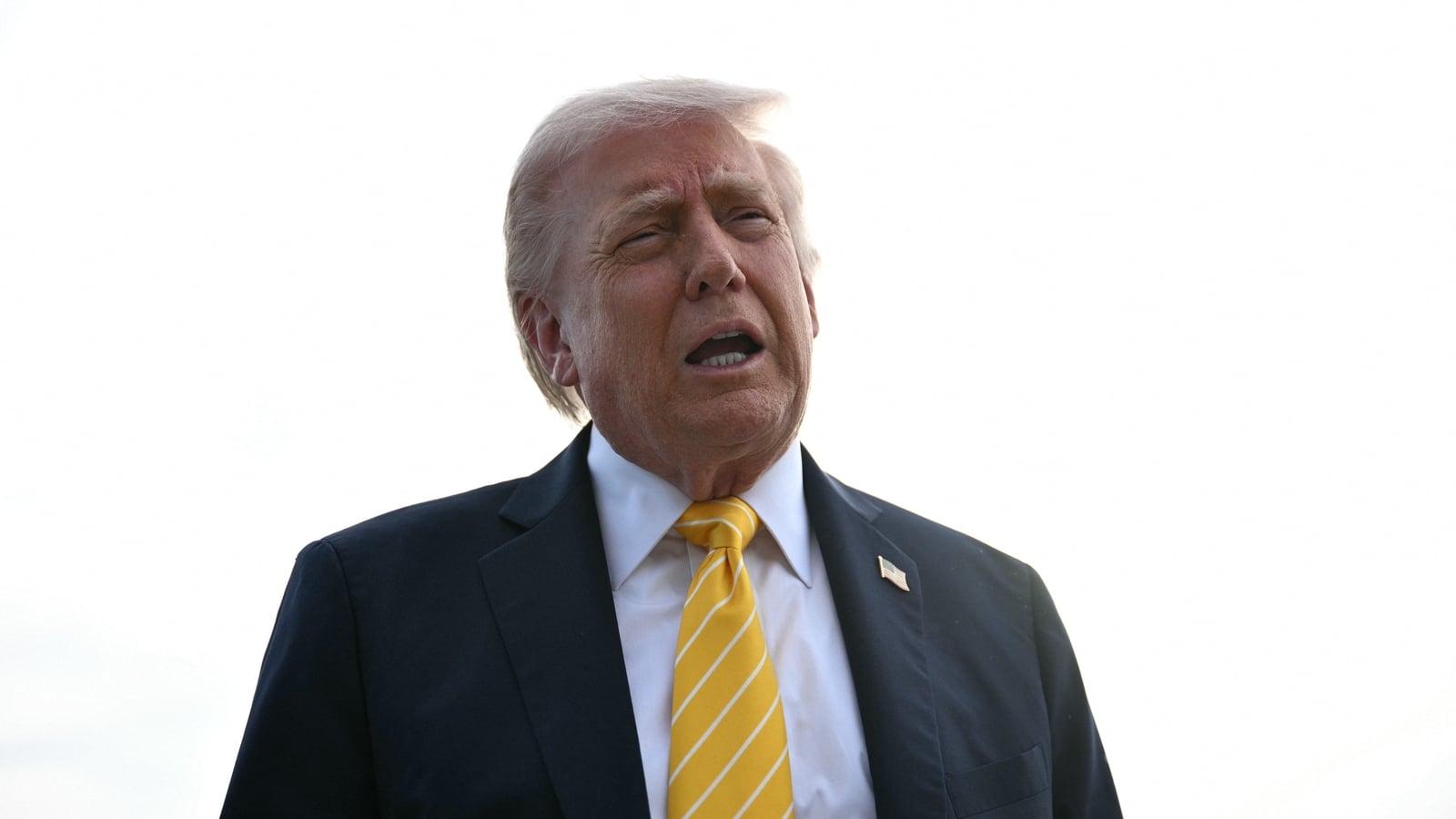
In a dramatic turn of events that sent ripples across global geopolitical landscapes, US President Donald Trump announced the immediate cessation of the 'Project Freedom' military operation in the Strait of Hormuz. Launched barely 24 hours prior with the stated aim of safeguarding international shipping lanes, the abrupt halt signals a profound strategic pivot, as the administration explicitly linked the decision to a renewed, intensified push for a comprehensive peace deal with Iran. This move, coming amidst escalating tensions in the Middle East, underscores the volatile and often unpredictable nature of contemporary international diplomacy.
The Strait of Hormuz, a narrow chokepoint between the Persian Gulf and the open sea, is arguably the world's most critical oil transit waterway. Approximately one-fifth of the world's total oil consumption, and a significant portion of its liquefied natural gas, passes through this 21-mile-wide passage daily. Its strategic importance cannot be overstated, making any military activity or disruption in the region a matter of global concern. Recent incidents, including attacks on tankers and the downing of a US drone, had significantly heightened fears of a wider conflict, prompting the US to initiate 'Project Freedom' as a protective measure for commercial vessels. The rapid reversal, therefore, has left many observers questioning the underlying motives and the potential long-term implications for regional stability and global energy markets.
The Rationale Behind the Reversal
President Trump's decision to pause the operation was framed as a direct overture to Tehran, an attempt to create an environment conducive to negotiations. "We are halting the operation to give diplomacy a chance," Trump stated, emphasizing his administration's desire to "end the Middle East war" through dialogue rather than military confrontation. This approach aligns with a recurring theme in Trump's foreign policy: a preference for direct negotiation, even with adversaries, to achieve what he perceives as beneficial outcomes for American interests. The administration appears to be betting that a demonstration of restraint, coupled with the continued pressure of sanctions, might compel Iran to return to the negotiating table. This strategy is not without its risks, however, as critics argue it could be perceived as weakness by Iran or its proxies, potentially emboldening them further.
Historically, US policy towards Iran has oscillated between containment, engagement, and confrontation. Following the 2015 Iran nuclear deal (Joint Comprehensive Plan of Action - JCPOA), which the Trump administration unilaterally withdrew from in 2018, tensions have steadily mounted. The re-imposition of stringent sanctions aimed at crippling Iran's economy has been met with a series of retaliatory actions and proxy conflicts across the region. The current move suggests a potential shift from 'maximum pressure' to 'maximum pressure with an off-ramp,' offering Iran a path to de-escalation if it agrees to a new, broader deal addressing not only its nuclear program but also its ballistic missile capabilities and regional activities. The challenge lies in finding common ground with a regime that has consistently resisted external pressure to alter its fundamental foreign policy objectives.
Geopolitical Implications and International Reactions
The sudden halt of 'Project Freedom' has elicited a mixed bag of reactions internationally. European allies, who largely remained committed to the JCPOA and have consistently advocated for diplomatic solutions, are likely to view this as a positive development. They have long expressed concerns about the potential for accidental escalation in the Gulf and have sought to mediate between Washington and Tehran. However, regional partners such as Saudi Arabia and the UAE, who share the US's concerns about Iranian influence and have been directly impacted by recent aggressions, might view the move with apprehension. Their security concerns are paramount, and any perceived reduction in US military commitment could be unsettling.
Iran's official response has been cautious but not entirely dismissive. While Iranian officials have reiterated their long-standing demand for the lifting of all US sanctions as a precondition for talks, the absence of outright rejection of the diplomatic overture leaves a narrow window for potential engagement. The coming weeks will be crucial in determining whether this pause translates into meaningful dialogue or merely serves as a temporary lull before further escalation. Analysts point out that for any deal to succeed, it would require significant concessions from both sides, a prospect that has proven elusive in the past.
The Path Forward: Diplomacy's Thorny Road
The road to a comprehensive deal with Iran is fraught with challenges. The deep-seated mistrust between Washington and Tehran, fueled by decades of animosity and recent provocations, presents a formidable barrier. Iran's leadership faces internal pressures to resist what they perceive as American bullying, while the Trump administration must navigate domestic political considerations and the demands of its regional allies. Any new agreement would likely need to address a broader range of issues than the JCPOA, including Iran's regional proxy networks and its ballistic missile program, which were not fully covered by the previous accord. This expanded scope makes negotiations inherently more complex and difficult.
Furthermore, the credibility of US commitments is a significant factor. Having unilaterally withdrawn from the JCPOA, the Trump administration faces an uphill battle in convincing Iran, and indeed the international community, that any new agreement would be durable. Iran would likely seek robust guarantees against future US reversals, a demand that could prove difficult for any US administration to meet. The success of this diplomatic gambit hinges on the ability of both sides to demonstrate flexibility, build confidence, and ultimately find a mutually acceptable framework for de-escalation and long-term stability in a region perpetually on the brink.
In conclusion, President Trump's decision to halt the Hormuz operation marks a significant, albeit risky, shift in US strategy towards Iran. It represents a calculated gamble that diplomacy, even under intense pressure, can yield a better outcome than continued military posturing. While the immediate future remains uncertain, this move opens a potential, albeit narrow, pathway for de-escalation and negotiation, offering a glimmer of hope for a region desperately in need of peace. The world watches with bated breath to see if this olive branch can indeed blossom into a lasting resolution, or if it merely forestalls the inevitable in the volatile crucible of the Middle East.
Stay Informed
Get the world's most important stories delivered to your inbox.
No spam, unsubscribe anytime.
Comments
No comments yet. Be the first to share your thoughts!