Trump Halts Iran Peace Talks Amidst Renewed Tensions: A Diplomatic Deadlock?
US President Donald Trump has abruptly cancelled a planned visit by American officials to Pakistan, effectively halting a second round of indirect negotiations with Iran. Citing the United States' strong negotiating position and dismissing the need for an 18-hour journey, Trump stated his team would not depart for Islamabad. This move comes as Iranian officials concluded meetings with Pakistani leaders, underscoring Tehran's wariness of US demands and the persistent regional instability, particularly concerning energy supplies and the Strait of Hormuz.
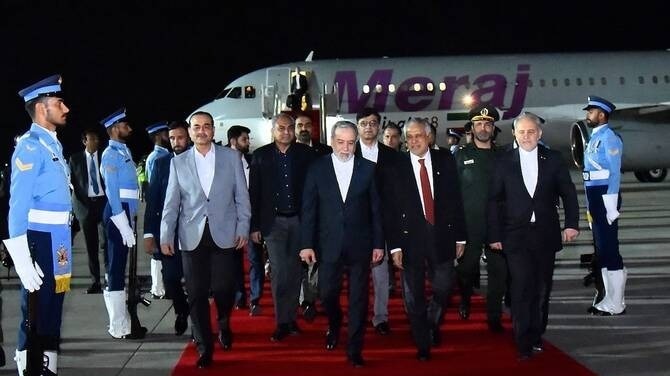
In a dramatic turn of events that underscores the persistent volatility in US-Iran relations, President Donald Trump has called off a crucial diplomatic mission to Pakistan, effectively slamming the brakes on a nascent peace initiative. The planned visit, intended to facilitate a second round of indirect negotiations between Washington and Tehran, was abruptly cancelled, with Trump dismissing the necessity of an 18-hour journey given what he described as the United States' "strong negotiating position." This decision sends a clear signal of Washington's hardened stance, leaving a fragile ceasefire hanging by a thread and regional stability in an even more precarious state.
Trump, speaking to Fox News, articulated his rationale with characteristic bluntness: his team had been preparing to depart for Islamabad, but he intervened, deeming the journey "unproductive." He asserted that Washington holds decisive leverage and saw no reason to engage in lengthy discussions abroad when Tehran could, in his view, initiate contact instead. This unilateral decision comes shortly after Iranian Foreign Minister Abbas Aragchi concluded high-level meetings with Pakistani leaders, including Prime Minister Shehbaz Sharif, suggesting that Tehran had been actively engaging in diplomatic efforts, albeit with a clear caveat: Iran maintains it will reject what it calls excessive US demands and remains deeply wary following past negotiations and subsequent military tensions. The cancelled US delegation was expected to include key figures such as envoy Steve Witkoff and Trump’s son-in-law Jared Kushner, highlighting the significance Washington had initially placed on these talks.
The Unraveling of a Fragile Détente
The cancellation of these talks marks a significant setback for any hopes of de-escalation in a region perpetually on edge. The US-Iran dynamic has been characterized by a cycle of brinkmanship and sporadic attempts at dialogue, often mediated by third parties. Pakistan, with its strategic location and historical ties to both nations, had emerged as a potential neutral ground for these sensitive discussions. The initial willingness of both sides to engage, even indirectly, had offered a glimmer of hope that a path towards a more sustainable peace might be forged. However, Trump's latest move has effectively extinguished that hope, at least for the immediate future.
This diplomatic impasse is not occurring in a vacuum. The broader regional landscape remains fraught with tension. A fragile ceasefire currently exists, but it is constantly threatened by underlying geopolitical currents. Key flashpoints include the ongoing conflict in Lebanon, where Hezbollah has signaled a hardening stance. In a statement cited by Al Jazeera, the group warned that it would not wait for "failed diplomacy" and that Israeli ceasefire violations would be met with continued resistance. Such declarations underscore the interconnectedness of regional conflicts and how a breakdown in one area can quickly cascade into others, potentially igniting a wider conflagration. The Strait of Hormuz, a strategically vital chokepoint for global energy supplies, remains a focal point of concern, with any disruption there having immediate and far-reaching economic consequences worldwide.
Historical Context: A Legacy of Mistrust
The current stalemate is deeply rooted in a legacy of mistrust that has defined US-Iran relations for decades. The 2015 Joint Comprehensive Plan of Action (JCPOA), or the Iran nuclear deal, was a landmark attempt to resolve the nuclear issue through diplomacy. However, the Trump administration's unilateral withdrawal from the JCPOA in 2018 and the subsequent re-imposition of crippling sanctions severely damaged any remaining trust. Iran has consistently argued that the US cannot be relied upon to uphold its commitments, a sentiment that has been reinforced by what Tehran perceives as Washington's maximalist demands. This historical baggage makes any new diplomatic overtures incredibly challenging, as both sides approach the negotiating table with deep-seated skepticism and a long list of grievances.
Furthermore, the internal political dynamics within both the US and Iran play a significant role. In the US, a hawkish stance on Iran often resonates with a segment of the electorate, while in Iran, hardliners frequently advocate for resistance against perceived American aggression. This domestic political pressure often limits the room for maneuver for diplomats and leaders, making concessions difficult to achieve. The current situation highlights how domestic political calculations can override external diplomatic efforts, even when the stakes for regional and global stability are immensely high.
Economic Pressures and Energy Geopolitics
Beyond the political and military dimensions, the conflict is inextricably linked to economic pressures and energy geopolitics. US sanctions have severely impacted Iran's economy, particularly its oil exports, which are a primary source of revenue. This economic pain is a key leverage point for Washington, but it also fuels resentment and a sense of injustice in Tehran, making it less likely to capitulate to demands it views as illegitimate. The global energy market, still reeling from various disruptions, watches the Strait of Hormuz with bated breath. Approximately 20% of the world's petroleum liquids consumption passes through this narrow waterway. Any military escalation or sustained disruption would send oil prices skyrocketing, triggering a global economic crisis. The current fragile ceasefire around energy supplies is therefore paramount, and its potential breakdown is a constant source of anxiety for international markets.
Iran's strategic position, controlling a significant portion of the Strait, gives it considerable influence over global oil flows. Its ability to disrupt shipping lanes, even temporarily, serves as a powerful deterrent and a bargaining chip in negotiations. This interplay of economic vulnerability, strategic control, and global energy dependence creates a complex web of motivations and risks that define the US-Iran rivalry. The cancellation of talks, therefore, is not just a diplomatic failure; it's a move that reverberates through global economic corridors.
The Path Forward: A Looming Impasse?
With President Trump's latest decision, the immediate future for US-Iran relations appears to be one of continued impasse. The conditions for meaningful dialogue seem to have eroded further, replaced by a renewed emphasis on leverage and a reluctance to engage in face-to-face negotiations. While Trump asserts a strong negotiating position, the absence of a direct communication channel increases the risk of miscalculation and accidental escalation, particularly in a region already saturated with military assets and proxy conflicts. The international community, including allies of both the US and Iran, will likely view this development with concern, recognizing the potential for increased instability.
For Iran, the cancellation of talks reinforces its long-held skepticism about US intentions and its commitment to diplomacy. Tehran is likely to continue its strategy of resisting perceived US pressure while seeking to strengthen regional alliances and diversify its economic partnerships. The role of mediators like Pakistan, though temporarily sidelined, remains crucial for future de-escalation efforts. Ultimately, without a willingness from both Washington and Tehran to re-engage in good faith and acknowledge each other's legitimate security concerns, the cycle of tension and confrontation is likely to persist, with profound implications for peace and stability in the Middle East and beyond. The question now is not if, but when, the next crisis will emerge from this diplomatic void.
Stay Informed
Get the world's most important stories delivered to your inbox.
No spam, unsubscribe anytime.
Comments
No comments yet. Be the first to share your thoughts!