Trump Halts Pakistan Trip for Iran Ceasefire Talks, Signaling Direct Approach Amidst Regional Tensions
Former President Donald Trump has abruptly canceled a planned trip by his envoys, Steve Witkoff and Jared Kushner, to Pakistan for ceasefire negotiations with Iran. This move, announced shortly after Iran's top diplomat left Islamabad, signals a shift towards direct, high-level engagement if Tehran desires, bypassing intermediaries. The decision comes amidst escalating regional tensions and a complex geopolitical landscape, raising questions about the future of US-Iran diplomacy.
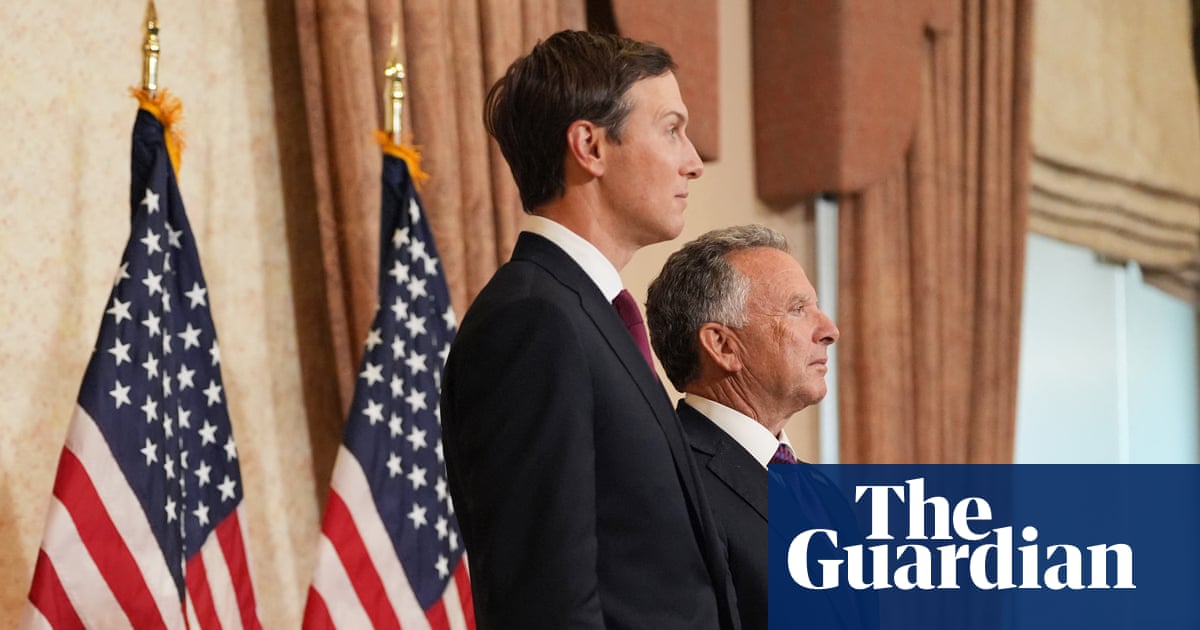
The intricate dance of international diplomacy often unfolds in quiet corridors and through discreet intermediaries, but former President Donald Trump has once again opted for a more direct, and decidedly public, approach. In a move that sent ripples through geopolitical circles, Trump announced the cancellation of a planned trip by his envoys, Steve Witkoff and Jared Kushner, to Pakistan. Their mission: to attempt to revive ceasefire negotiations with Iran, a nation with whom relations remain fraught with tension and historical animosity. This abrupt decision, coming shortly after Iran’s top diplomat concluded his visit to Islamabad, underscores a potential shift in strategy, signaling that any future talks would need to be initiated directly by Tehran.
Trump's statement, delivered to Fox News, was characteristically blunt: “They can call us anytime they want.” This declaration effectively sidelines the role of third-party mediation, placing the onus squarely on Iran to reach out. The White House, on Friday, had initially confirmed the envoys' travel plans, highlighting the administration's ongoing efforts to de-escalate tensions in the Middle East. However, the subsequent cancellation suggests a re-evaluation of the efficacy of indirect channels, perhaps driven by a desire for more decisive engagement or a perception that such overtures were not yielding desired results. The implications of this pivot are significant, potentially reshaping the diplomatic landscape between Washington and Tehran at a critical juncture.
The Shifting Sands of US-Iran Diplomacy
The relationship between the United States and Iran has been a perpetual geopolitical flashpoint for decades, marked by periods of intense confrontation and fleeting hopes for rapprochement. The Trump administration, in particular, adopted a policy of “maximum pressure” following its withdrawal from the Joint Comprehensive Plan of Action (JCPOA), commonly known as the Iran nuclear deal, in 2018. This policy involved stringent sanctions aimed at crippling Iran's economy and compelling it to renegotiate a more comprehensive agreement on its nuclear program, ballistic missile development, and regional activities. The cancellation of the Pakistan trip must be viewed through this historical lens. While the administration maintained an open door for diplomacy, its actions consistently demonstrated a preference for leverage through economic pressure rather than appeasement.
Previous attempts at mediation, often involving European powers or regional actors like Oman and Qatar, have yielded mixed results. The idea of Pakistan, a country with complex ties to both the US and Iran, stepping into this mediating role was intriguing but ultimately short-lived. Pakistan's Prime Minister, Imran Khan, had previously offered to facilitate dialogue, reflecting a broader regional desire for stability. However, the US decision to pull its envoys suggests a lack of confidence in the potential for a breakthrough via this specific channel, or perhaps a strategic calculation that a direct approach, even if more challenging, is ultimately more effective in conveying Washington's terms.
The Role of Intermediaries and Direct Engagement
International relations theory often highlights the utility of intermediaries in resolving intractable conflicts. Third parties can provide a neutral ground, facilitate communication when direct channels are closed, and help build trust. In the context of US-Iran relations, where decades of mistrust and ideological differences run deep, intermediaries have periodically played crucial roles. However, their effectiveness is often contingent on several factors:
* Trust and Neutrality: The intermediary must be perceived as sufficiently neutral by both parties. * Influence: The intermediary needs enough diplomatic weight to sway both sides. * Clarity of Mandate: The goals of mediation must be clear and agreed upon.
Trump's decision to cancel the Pakistan trip could imply that one or more of these conditions were not met, or that the administration believes direct talks, even without preconditions, are now the preferred path. The statement “They can call us anytime they want” is a classic power play, asserting US dominance and demanding that Iran initiate the next step. This approach is consistent with Trump's transactional style of diplomacy, where he often seeks to negotiate from a position of perceived strength. It also bypasses the potential for misinterpretations or diluted messages that can occur through third-party channels, ensuring that any future dialogue is unfiltered and direct.
Regional Implications and Future Outlook
The cancellation of the Pakistan trip has immediate and long-term implications for regional stability. The Middle East remains a powder keg, with proxy conflicts, maritime tensions, and nuclear proliferation concerns constantly threatening to erupt. A direct line of communication between Washington and Tehran, however fraught, is often seen as a necessary safety valve. Without it, the risk of miscalculation and escalation increases significantly. Regional allies of the US, such as Saudi Arabia and Israel, will be watching closely, as any shift in US-Iran policy directly impacts their security interests.
Furthermore, the decision affects Pakistan's diplomatic standing. While Islamabad's offer to mediate was a testament to its desire for regional peace, the US withdrawal from the planned talks might be perceived as a setback. Pakistan has historically navigated a delicate balance between its relationships with the US, Iran, and other regional powers. This episode underscores the complexities of being a regional player in a highly volatile geopolitical environment.
Looking ahead, the path to de-escalation remains uncertain. Trump's insistence on direct contact, while seemingly straightforward, puts the ball firmly in Iran's court. Will Tehran accept this challenge and initiate direct talks, or will it view this as another attempt by Washington to dictate terms? The answer will likely depend on internal political dynamics within Iran, the ongoing impact of sanctions, and the broader regional security calculus. The world watches, hoping that despite the current diplomatic impasse, a pathway to peaceful resolution can still be forged, preventing further destabilization in an already fragile region. The ball, as Trump has made clear, is now firmly in Iran's court, and the next move could define the trajectory of US-Iran relations for years to come. The stakes could not be higher for global peace and stability.
Stay Informed
Get the world's most important stories delivered to your inbox.
No spam, unsubscribe anytime.
Comments
No comments yet. Be the first to share your thoughts!