Trump's Germany Troop Threat: A Transatlantic Rift Deepens
President Trump's recent threat to further withdraw US troops from Germany has sent shockwaves through NATO and Washington. Following an initial reduction of 5,000 soldiers, the move highlights escalating tensions over defense spending and geopolitical strategy. This decision risks undermining decades of alliance and security architecture, raising questions about America's commitment to European stability.
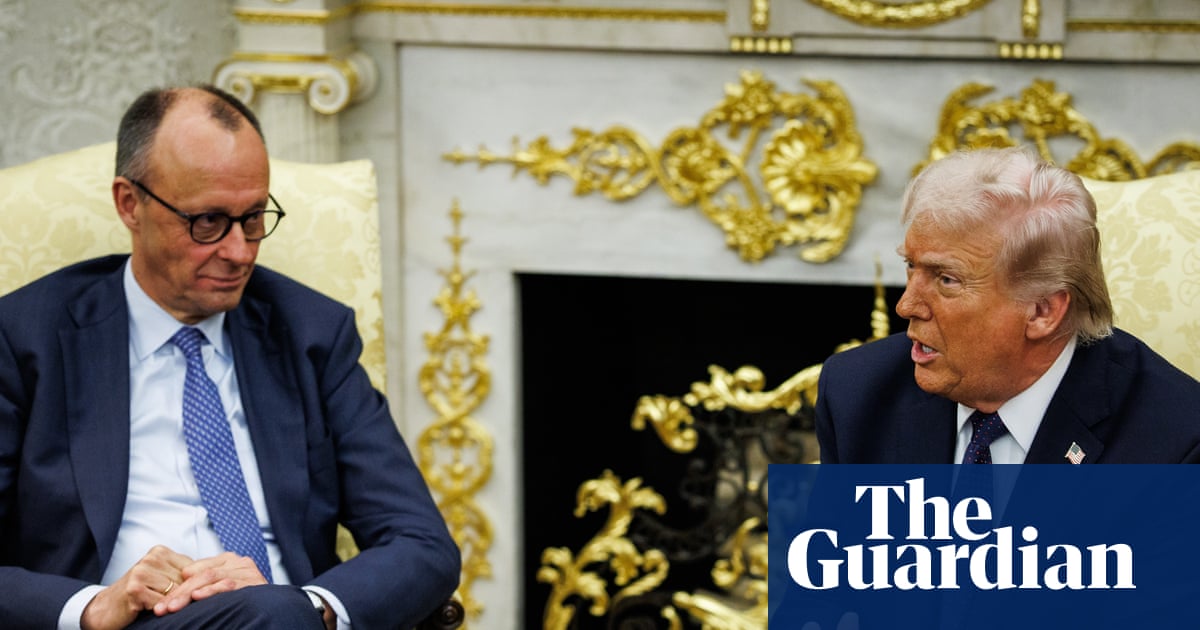
The transatlantic alliance, a cornerstone of global security for over seven decades, finds itself increasingly strained as President Donald Trump escalates his rhetoric and actions regarding US military presence in Germany. Last week's announcement of a withdrawal of 5,000 US soldiers from German soil, leaving approximately 30,000 troops, was met with dismay across Europe and even within his own Republican party. Now, the President has threatened even further reductions, deepening a rift that many fear could have profound and lasting consequences for international stability and the future of NATO.
This latest development follows a period of heightened tension between Washington and Berlin. President Trump has repeatedly criticized Germany for what he perceives as insufficient defense spending, failing to meet NATO's target of 2% of GDP. The situation was exacerbated when German Chancellor Angela Merkel reportedly stated that the US was being 'humiliated' by Iran, a remark that seemingly infuriated the American President and may have served as a catalyst for the initial troop withdrawal decision. The implications of such moves extend far beyond mere numbers; they touch upon the very fabric of collective defense and the strategic balance of power.
The Geopolitical Chessboard: A Calculated Risk or Impulsive Act?
President Trump's approach to foreign policy has consistently prioritized an 'America First' doctrine, often challenging long-standing alliances and multilateral agreements. His administration views the presence of US troops abroad, particularly in prosperous nations like Germany, as an undue burden on American taxpayers. This perspective contrasts sharply with the traditional view that these deployments serve vital US strategic interests, providing forward operating bases, facilitating rapid response capabilities, and projecting American power globally. Germany, in particular, hosts critical logistical hubs, command centers, and training facilities that are integral to NATO operations, including those supporting missions in Africa and the Middle East.
Experts are divided on the motivation behind these threats. Some argue it is a calculated tactic to pressure Germany into increasing its defense contributions, a form of burden-sharing diplomacy through coercion. Others suggest it is an impulsive reaction to perceived slights and a reflection of the President's transactional view of international relations. Regardless of the intent, the effect is a palpable sense of uncertainty and anxiety among allies. The notion that the US might unilaterally alter its military footprint in such a significant way, without extensive consultation, undermines trust and predictability – qualities essential for effective alliances.
Historical Context: A Legacy of Presence
The presence of US troops in Germany dates back to the end of World War II, initially as an occupation force, then transitioning into a critical component of NATO's defense against the Soviet Union during the Cold War. For decades, these troops symbolized America's unwavering commitment to European security and its role as a global superpower. Bases like Ramstein Air Base, Spangdahlem Air Base, and the US Army Garrison Bavaria are not just military installations; they are deeply integrated into the local economies and communities, representing a tangible link between the two nations.
* Post-WWII Stability: US troops were instrumental in stabilizing post-war Europe and fostering democratic institutions. * Cold War Deterrence: Their presence was a vital deterrent against Soviet expansionism, ensuring peace on the European continent. * NATO's Backbone: Germany has long served as a central hub for NATO operations, facilitating rapid deployment and logistical support for missions worldwide.
The gradual reduction of US forces in Europe began after the Cold War, but never at a pace or with the unilateral nature now being contemplated. The current threats signal a fundamental shift from a strategy of collective security to one that prioritizes perceived national interests above alliance cohesion, potentially weakening the very structures that have prevented major conflicts for generations.
Implications for NATO and Global Security
The potential withdrawal of a substantial number of US troops from Germany raises a multitude of concerns for NATO and global security:
* Weakened Deterrence: A reduced US presence could embolden adversaries, particularly Russia, by creating perceived vulnerabilities on NATO's eastern flank. It might signal a diminished American resolve to defend its allies. * Operational Challenges: The logistical and command infrastructure in Germany is irreplaceable in the short term. Relocating these assets to other European nations, or even back to the US, would be immensely costly, time-consuming, and operationally disruptive. * Alliance Cohesion: Unilateral decisions of this magnitude sow discord among allies, potentially leading to a fragmentation of NATO and a loss of collective purpose. It forces European nations to reconsider their own defense strategies, possibly leading to increased military spending or even seeking alternative security arrangements. * Economic Impact: The departure of thousands of US personnel would have a significant economic impact on the German communities surrounding the bases, which have benefited from their presence for decades.
Senior Republicans, including figures like Senate Majority Leader Mitch McConnell, have voiced strong opposition, emphasizing the strategic importance of the German bases. They argue that such a move would be a gift to Russia and a betrayal of allies. This internal dissent underscores the gravity of the situation and the broad consensus, even within the President's own party, that these bases are crucial for both American and European security.
The Path Forward: Rebuilding Trust or Reshaping Alliances?
The current trajectory suggests a critical juncture for the transatlantic alliance. Should President Trump proceed with further withdrawals, it would undoubtedly force European nations to accelerate their efforts towards greater strategic autonomy and defense integration. While some argue this could be beneficial in the long run, fostering a more self-reliant Europe, the immediate consequences would likely involve increased instability and a period of significant geopolitical realignment.
Ultimately, the decision to withdraw troops from Germany is not merely a logistical one; it is a profound statement about America's role in the world and its commitment to its longest-standing alliances. The reverberations of such a move would be felt far beyond the borders of Germany, potentially reshaping the international security landscape for decades to come. As the situation unfolds, the world watches to see if the bonds forged in war and sustained through peace can withstand the pressures of modern political currents, or if a new era of unpredictable alliances and shifting loyalties is upon us.
Stay Informed
Get the world's most important stories delivered to your inbox.
No spam, unsubscribe anytime.
Comments
No comments yet. Be the first to share your thoughts!