Trump's Iran Ceasefire: A Fragile Peace Amidst Geopolitical Upheaval
Donald Trump's unexpected ceasefire declaration in the Iran conflict has introduced a precarious calm, yet simultaneously ignited intense global debate. This move exposes a significant regional power shift and triggers considerable political fallout, both domestically and internationally, while raising questions about future stability.
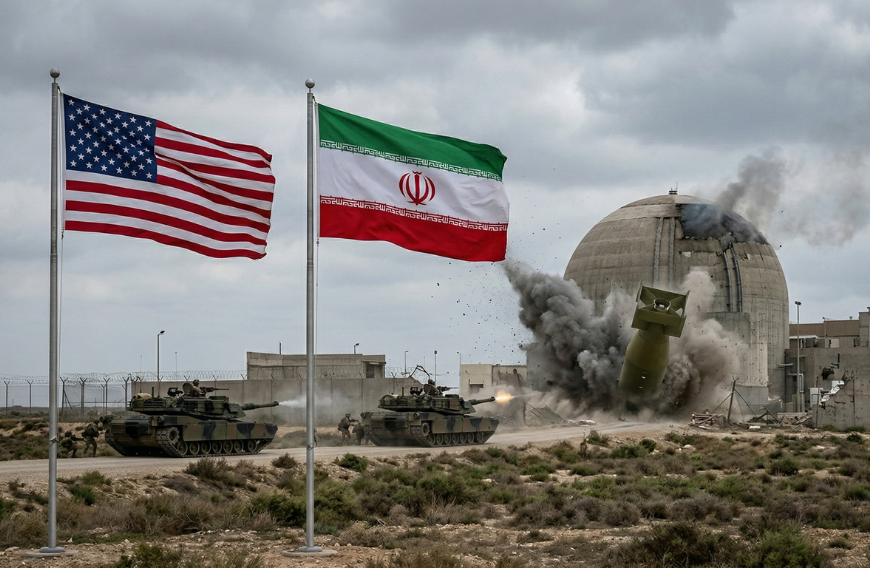
In a move that has sent ripples across the global geopolitical landscape, former President Donald Trump’s abrupt announcement of a ceasefire in the escalating conflict involving Iran has brought a fragile pause to hostilities. While the immediate cessation of direct military engagements offers a momentary reprieve, it has simultaneously ignited a fervent debate among international observers, policymakers, and analysts regarding the war’s true outcomes, its immense human and economic costs, and the broader geopolitical consequences that are only now beginning to unfold.
The conflict, characterized by a series of escalating provocations, proxy skirmishes, and direct confrontations, had threatened to plunge the Middle East into a wider, more devastating war. Experts had warned of the potential for a regional conflagration that could destabilize global energy markets and trigger a humanitarian crisis of unprecedented scale. Trump’s intervention, often described as unconventional and unpredictable, has once again demonstrated his capacity to disrupt established diplomatic norms, leaving allies and adversaries alike scrambling to decipher the long-term implications.
One of the most salient aspects of this ceasefire is its exposure of a significant regional power shift. For years, the balance of power in the Middle East has been a complex tapestry of alliances and rivalries, often influenced by external actors. The recent conflict, however, appears to have recalibrated these dynamics, with certain regional players either consolidating their influence or finding their positions weakened. Iran, despite facing severe economic sanctions and military pressure, has arguably demonstrated a resilience that challenges previous assumptions about its strategic capabilities and regional ambitions. Conversely, some traditional U.S. allies in the region are now reassessing their security frameworks, questioning the reliability of external guarantees in an increasingly volatile environment.
The political fallout at home in the United States has been equally profound. Critics of Trump’s decision argue that the ceasefire was a premature concession that failed to achieve decisive strategic objectives, potentially emboldening adversaries and undermining American credibility. Supporters, however, laud the move as a pragmatic step to avert a costly and protracted war, prioritizing American lives and resources. This internal division reflects a deeper ideological chasm within American foreign policy circles, oscillating between interventionism and isolationism.
Internationally, the ceasefire has prompted a flurry of diplomatic activity. European powers, who had largely advocated for de-escalation and a diplomatic resolution, are now attempting to leverage this pause to re-engage with all parties and establish a more sustainable peace framework. The United Nations and various international bodies are also intensifying their efforts to address the humanitarian consequences of the conflict and to lay the groundwork for long-term stability in the region.
Looking ahead, the stability of this ceasefire remains precarious. Without a comprehensive political settlement addressing the root causes of the conflict, the current calm could prove to be merely a temporary lull before another storm. The underlying tensions, ideological differences, and proxy rivalries that fueled the initial conflict have not dissipated. The coming months will be crucial in determining whether this unexpected pause can be transformed into a genuine pathway towards lasting peace, or if it merely signifies a strategic repositioning before the next phase of conflict in a perpetually volatile region.