Trump's Iran Stance: No Rush, No Nukes, High Stakes Diplomacy
President Donald Trump declared he was in no hurry to strike a deal with Iran, emphasizing a defiant stance during an Oval Office interaction. He also firmly rejected the use of nuclear weapons in the ongoing diplomatic efforts. This position underscores a complex, high-stakes approach to a long-standing geopolitical challenge, balancing pressure with a declared willingness for negotiation. The international community watches closely as Washington navigates this delicate path.
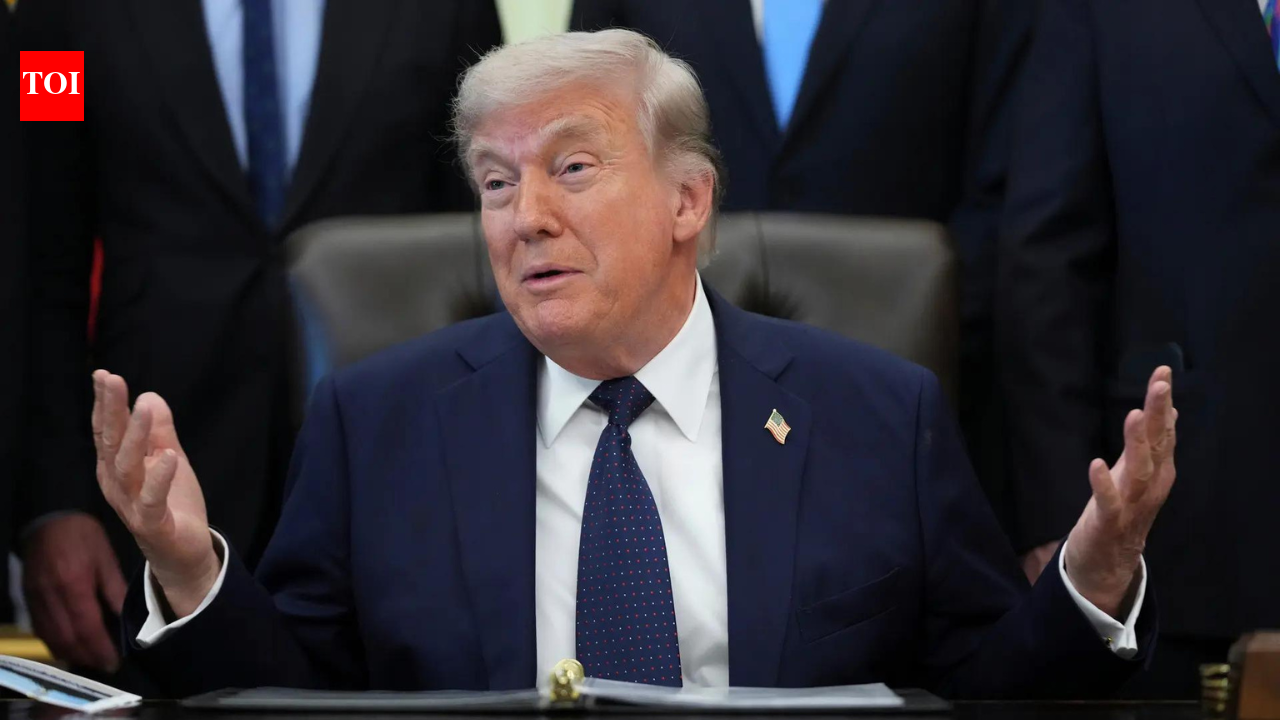
In a move that underscored the complex and often unpredictable nature of his foreign policy, then-US President Donald Trump used an Oval Office interaction with reporters to articulate a defiant, yet seemingly patient, stance on Iran. "Don't rush me," Trump reportedly stated, signaling that he was in no hurry to reach a deal with Tehran, despite escalating tensions and a global desire for de-escalation. This declaration, coupled with a firm rejection of nuclear options, painted a picture of a White House navigating a high-stakes diplomatic tightrope, aiming to exert maximum pressure without resorting to military extremes.
The Backdrop: A History of Hostility and Sanctions
To fully grasp the significance of Trump's remarks, one must understand the tumultuous history of US-Iran relations. The relationship has been fraught with animosity since the 1979 Islamic Revolution, which saw the overthrow of the US-backed Shah and the establishment of an anti-Western, clerical regime. Decades of mistrust, proxy conflicts, and economic sanctions have characterized this dynamic. The 2015 Joint Comprehensive Plan of Action (JCPOA), commonly known as the Iran nuclear deal, was a landmark attempt to de-escalate tensions, offering sanctions relief in exchange for curbs on Iran's nuclear program. However, Trump famously withdrew the US from the JCPOA in 2018, labeling it the "worst deal ever" and reimposing stringent sanctions aimed at crippling Iran's economy and forcing it to renegotiate a more comprehensive agreement.
Trump's "maximum pressure" campaign was designed to bring Iran to the negotiating table on US terms, addressing not only its nuclear ambitions but also its ballistic missile program and regional destabilizing activities. This strategy, while applauded by some allies like Israel and Saudi Arabia, drew criticism from European partners who sought to preserve the JCPOA and feared a direct military confrontation. The period following the US withdrawal saw a series of provocations, including attacks on oil tankers in the Gulf, drone incidents, and increased enrichment of uranium by Iran, pushing the region to the brink of conflict.
No Rush, But What's the Strategy?
Trump's assertion of "no rush" was a direct counterpoint to the perceived urgency often associated with international crises. It suggested a belief that time was on Washington's side, and that continued economic pressure would eventually compel Iran to capitulate. This approach was consistent with Trump's broader negotiating philosophy, which often involved creating leverage through aggressive tactics and then waiting for the other party to yield. However, critics argued that this strategy risked miscalculation and could inadvertently lead to an escalation of hostilities.
The statement also aimed to project an image of strength and control, reassuring domestic audiences and international partners that the US was not being driven by external deadlines or pressures. For Iran, it signaled that the US was prepared for a prolonged standoff, potentially dampening hopes for a quick resolution or a return to the negotiating table under more favorable conditions for Tehran. The Washington Post reported at the time that officials within the administration believed Iran's economy was under severe strain, and that patience was a virtue in waiting for a breakthrough.
The Nuclear Red Line: A Consistent Rejection
Perhaps even more significant than the "no rush" declaration was Trump's unequivocal rejection of nuclear options. "We don't want to use nuclear weapons," he stated, reinforcing a long-standing, albeit sometimes strained, international norm against their use. This rejection served multiple purposes. Firstly, it aimed to de-escalate fears of a nuclear conflict, which had been a persistent concern given the rhetoric surrounding Iran's nuclear program. Secondly, it subtly reaffirmed the US's commitment to conventional deterrence and diplomacy, even while maintaining a posture of strength.
Historically, the US has maintained a policy of nuclear deterrence, reserving the right to use nuclear weapons in extreme circumstances. However, the context of Iran, a non-nuclear weapons state under the Non-Proliferation Treaty (NPT), made any contemplation of nuclear use highly controversial and destabilizing. Trump's explicit disavowal, therefore, provided a degree of reassurance to the international community, indicating that despite the aggressive posture, the US was not considering the most extreme military options against Iran. This stance was likely intended to differentiate the US approach from more hawkish elements who might advocate for pre-emptive strikes, nuclear or otherwise.
Implications for Regional Stability and Global Diplomacy
Trump's dual message – patience coupled with a rejection of nuclear force – had profound implications for regional stability and global diplomacy. For regional actors, particularly Saudi Arabia and Israel, who viewed Iran as an existential threat, the "no rush" approach likely meant continued support for the maximum pressure campaign, albeit with the understanding that a direct military confrontation was not the immediate goal. For European allies, who had been trying to salvage the JCPOA and de-escalate tensions, Trump's remarks offered a mixed bag. While the rejection of nuclear options was welcome, the lack of urgency for a deal suggested a continued divergence in diplomatic strategies.
Internationally, the situation highlighted the fragility of multilateral agreements and the power of unilateral action by major global players. The US withdrawal from the JCPOA had already strained relations with traditional allies, and Trump's subsequent approach further tested these bonds. The emphasis on pressure over immediate negotiation also raised questions about the long-term effectiveness of such a strategy, particularly given Iran's resilience and its own strategic calculations.
Looking Ahead: The Enduring Challenge of Iran
The Trump administration's approach to Iran, characterized by maximum pressure, a rejection of deadlines, and a disavowal of nuclear options, left an indelible mark on US foreign policy. While the immediate goal of forcing Iran to renegotiate a "better deal" remained elusive during his presidency, the strategy undeniably reshaped the geopolitical landscape. The subsequent Biden administration faced the daunting task of navigating this legacy, attempting to find a path back to diplomacy, potentially reviving elements of the JCPOA, or forging an entirely new agreement.
The challenge of Iran remains one of the most enduring and complex issues in international relations. Its nuclear program, regional influence, and internal political dynamics continue to be sources of global concern. Trump's "don't rush me" philosophy, while controversial, underscored a willingness to challenge conventional diplomatic wisdom and to pursue a path less traveled. Whether this path ultimately leads to a stable resolution or continued confrontation is a question that future administrations and global leaders will continue to grapple with, highlighting the persistent need for astute diplomacy, strategic patience, and a clear understanding of red lines in a volatile world. The legacy of this period serves as a crucial case study in the complexities of modern international statecraft, where power, patience, and peril are constantly intertwined.
Stay Informed
Get the world's most important stories delivered to your inbox.
No spam, unsubscribe anytime.
Comments
No comments yet. Be the first to share your thoughts!