Trump's Iran Standoff: Gulf Leaders Intervene to Avert Conflict, New Deadline Looms
Former U.S. President Donald Trump revealed that leaders from Qatar, Saudi Arabia, and the UAE successfully intervened to prevent a military strike against Iran on May 19, facilitating negotiations. This diplomatic push has led to a new, albeit short-lived, deadline for Tehran to engage in talks. The revelation underscores the complex regional dynamics and the persistent threat of escalation in the Middle East, highlighting the precarious balance between diplomacy and military action.
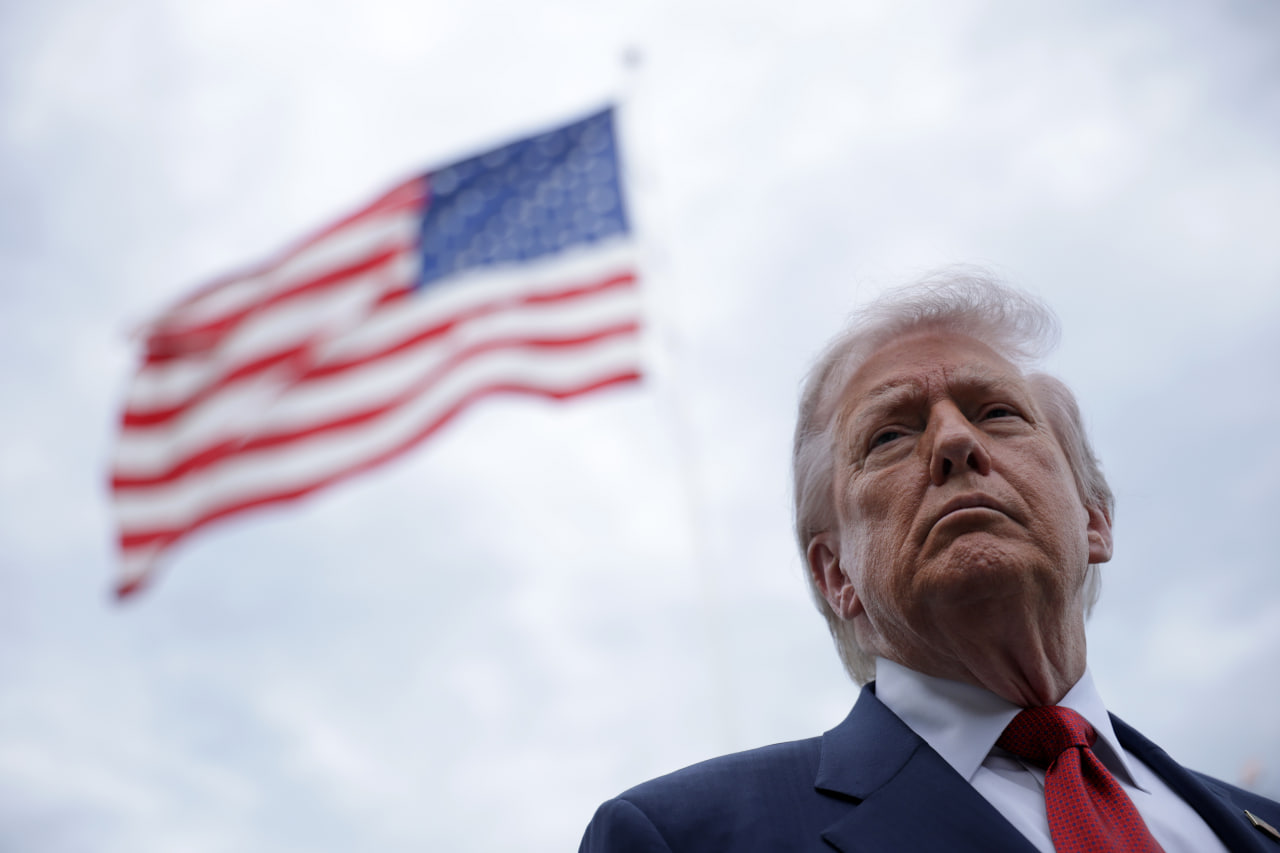
The Middle East, a region perpetually on the brink, once again found itself holding its breath as the specter of military conflict between the United States and Iran loomed large. On May 19, a date etched into the geopolitical calendar, former U.S. President Donald Trump was reportedly poised to authorize a strike against the Islamic Republic. However, in a dramatic turn of events, a concerted diplomatic effort by key Gulf allies – Qatar, Saudi Arabia, and the United Arab Emirates – successfully dissuaded the U.S. leader, paving the way for a new, albeit temporary, window for negotiations. This revelation, shared by Trump himself on Truth Social, pulls back the curtain on the intricate dance of power, influence, and strategic maneuvering that defines regional stability.
The Brink of Conflict: May 19 and the Diplomatic Intervention
The narrative begins with a stark admission: President Trump was ready to act. The underlying tensions between Washington and Tehran had been simmering for years, punctuated by economic sanctions, proxy conflicts, and a series of provocative actions from both sides. The specific trigger for the May 19 strike threat remains somewhat opaque in the public domain, but it undoubtedly stemmed from a culmination of perceived Iranian aggressions or a breakdown in diplomatic channels. The potential consequences of such a strike were catastrophic, threatening to ignite a broader regional conflagration with global economic and humanitarian repercussions.
It was against this backdrop that the leaders of three influential Gulf states stepped in. According to Trump, Emir Tamim bin Hamad Al Thani of Qatar, Crown Prince Mohammed bin Salman of Saudi Arabia, and President Mohamed bin Zayed Al Nahyan of the UAE played a pivotal role. Their intervention was not merely a plea for peace; it was a strategic maneuver designed to buy time for diplomacy. These nations, while often at odds with Iran, also understand the devastating impact a full-scale war would have on their own stability, economies, and populations. Their collective influence, coupled with their unique relationships with both the U.S. and, to varying degrees, Iran, proved decisive in averting immediate military action.
A New Deadline and the Perils of Prolonged Standoff
The immediate outcome of this high-stakes diplomacy was a new deadline. Trump explicitly stated that while the strike was delayed, the reprieve would not last long. This creates a precarious situation, a ticking clock that pressures Iran to come to the negotiating table. The nature of these proposed negotiations is crucial. Are they aimed at reviving the Joint Comprehensive Plan of Action (JCPOA), the 2015 nuclear deal from which the U.S. withdrew, or are they intended to forge a new, broader agreement addressing Iran's ballistic missile program and regional activities? The former U.S. administration's stance had consistently been that a new deal must be more comprehensive, a position Iran has largely rejected.
For Iran, this new deadline presents a complex dilemma. On one hand, refusing to engage could lead to the very military action it seeks to avoid. On the other hand, negotiating under duress could be perceived as a sign of weakness, potentially undermining its regional standing and domestic legitimacy. The internal political dynamics within Iran, particularly between hardliners and reformists, will heavily influence its response. Any move towards negotiation would require significant concessions from Tehran, especially concerning its nuclear enrichment program and its support for regional proxies.
Regional Dynamics and the Gulf States' Balancing Act
The intervention of Qatar, Saudi Arabia, and the UAE highlights the intricate and often contradictory foreign policy objectives of Gulf nations. While Saudi Arabia and the UAE have historically viewed Iran as their primary regional adversary, Qatar has maintained a more pragmatic, albeit cautious, engagement with Tehran. This convergence of interests – preventing a devastating war on their doorstep – temporarily superseded their individual geopolitical rivalries. Their actions underscore a shared understanding that a military conflict involving the U.S. and Iran would destabilize the entire region, disrupt global oil supplies, and potentially lead to an influx of refugees and a surge in extremist activities.
Saudi Arabia and the UAE, despite their strong alliance with the U.S., have also been exploring avenues for de-escalation with Iran in recent years, including direct talks. Their involvement in dissuading Trump reflects a desire to manage regional tensions proactively rather than passively accept the consequences of a U.S.-Iran war. Qatar, which hosts a major U.S. military base but also shares a vast gas field with Iran, has long positioned itself as a mediator, advocating for dialogue and de-escalation. Their collective effort demonstrates a growing regional agency in shaping the outcomes of major power confrontations.
The Path Forward: Diplomacy, Deterrence, and Uncertainty
The current situation is a delicate balance of diplomacy and deterrence. The U.S. maintains significant military assets in the region, signaling its capacity for military action, while simultaneously leaving the door open for negotiations. The success of this approach hinges on several factors: Iran's willingness to engage meaningfully, the specifics of the U.S. demands, and the continued diplomatic efforts of regional and international actors. The international community, including European powers, has consistently advocated for a diplomatic resolution, fearing the broader implications of a military confrontation.
The history of U.S.-Iran relations is fraught with mistrust and missed opportunities. The coming weeks will be critical in determining whether this latest diplomatic reprieve leads to substantive talks or merely postpones an inevitable confrontation. The stakes could not be higher, not just for the Middle East, but for global peace and stability. The world watches, hoping that the window for diplomacy, however narrow, can be leveraged to avert another devastating conflict in an already tumultuous region. The deadline set by Trump, while not explicitly stated in terms of duration, implies an urgency that demands immediate and serious consideration from all parties involved, underscoring the precarious nature of this temporary calm.
Stay Informed
Get the world's most important stories delivered to your inbox.
No spam, unsubscribe anytime.
Comments
No comments yet. Be the first to share your thoughts!