Turkey Cracks Down on Online Praise for School Shootings: A Deep Dive into Digital Dissent and State Control
Turkish authorities have detained 162 individuals for allegedly praising school shootings online, following two deadly incidents. This swift and extensive crackdown raises critical questions about freedom of speech, digital policing, and the state's response to controversial content. The arrests highlight a global struggle to balance public safety with individual liberties in the digital age, particularly in nations with complex political landscapes.
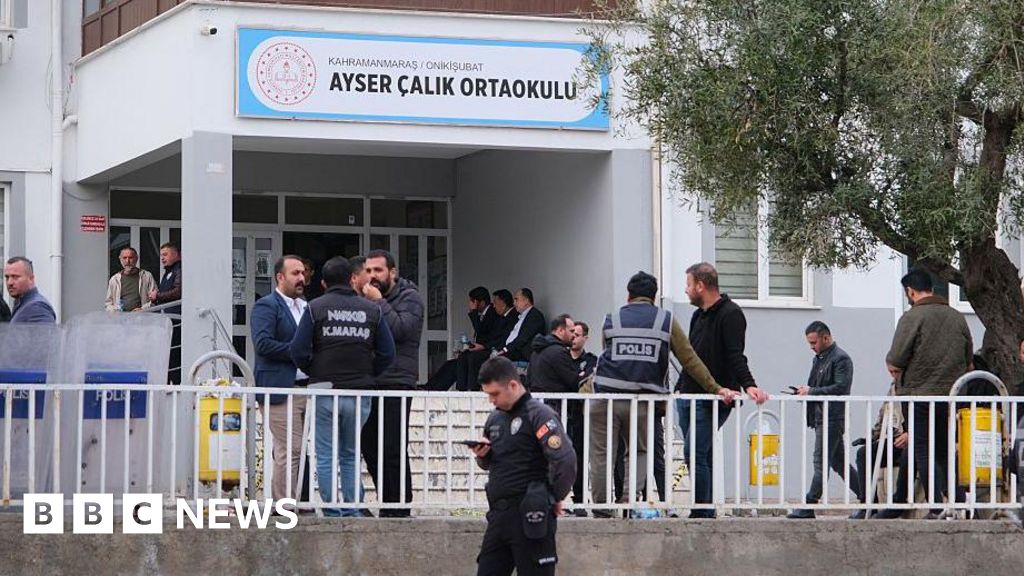
In a move that has sent ripples through both digital spheres and human rights circles, Turkish police have announced the detention of 162 individuals across the country. Their alleged offense? Posting content online that authorities deemed to be 'praising crime and criminals' or 'negatively impacting public order' in connection with two recent, tragic school shootings. This swift and expansive crackdown, coming on the heels of incidents where 16 were injured and nine killed, underscores a growing global tension between freedom of expression and the state’s imperative to maintain public safety, particularly in the volatile landscape of social media.
The incidents themselves were horrific. A high school shooting on Tuesday left 16 injured, followed by another devastating attack on Wednesday that claimed nine lives. The emotional scars left by such events are profound, and the public outcry for justice and prevention is understandable. However, the breadth of the police response – targeting online commentary rather than direct involvement in the attacks – has ignited a fierce debate about the boundaries of digital speech and the potential for overreach by state apparatuses.
The Digital Battlefield: Free Speech vs. Public Order
The arrests were carried out under various articles of the Turkish Penal Code, including those pertaining to 'inciting the public to hatred and hostility' and 'praising crime or criminals.' While the specific nature of the 'controversial content' has not been fully detailed by Turkish authorities, the implication is that these posts either glorified the perpetrators, condoned the violence, or otherwise expressed sentiments deemed detrimental to societal peace. This approach reflects a broader trend seen in many countries, where governments grapple with the rapid dissemination of information – and misinformation – online, particularly in the aftermath of traumatic events.
The internet, once hailed as a bastion of free expression, has increasingly become a battleground where states attempt to assert control over narratives and public sentiment. In Turkey, this dynamic is particularly pronounced. The country has a long history of stringent controls over media and online content, often citing national security or public order as justifications. Critics argue that such broad interpretations of legal statutes can be used to silence dissent and curb legitimate, albeit unpopular, opinions. The line between expressing a controversial viewpoint and actively inciting violence is often blurry and subject to interpretation, making these detentions a significant point of contention.
A Pattern of Digital Policing in Turkey
This is not an isolated incident in Turkey. The government, under President Recep Tayyip Erdoğan, has a well-documented record of aggressively policing online content. Thousands of social media users have faced investigations, detentions, and even prosecutions for posts deemed critical of the government, insulting to public officials, or supportive of outlawed groups. The scope of these actions ranges from comments on military operations to satirical remarks about political figures.
For instance, during periods of political unrest or after terror attacks, Turkish authorities have frequently blocked access to social media platforms or throttled internet speeds, ostensibly to prevent the spread of propaganda or misinformation. Laws like the 2020 Social Media Law have further tightened the government's grip, requiring platforms to appoint local representatives and comply with content removal requests, or face severe penalties. This consistent pattern suggests that the current detentions are part of a larger, established strategy to manage public discourse and maintain control over the digital narrative, especially during times of crisis or heightened public emotion.
International Implications and Human Rights Concerns
The arrests have drawn the attention of international human rights organizations, which frequently monitor freedom of expression in Turkey. Organizations like Amnesty International and Human Rights Watch have consistently raised concerns about the shrinking space for dissent and free speech in the country. They argue that while states have a legitimate interest in preventing incitement to violence, the broad application of anti-terrorism or public order laws to online commentary can lead to arbitrary detentions and self-censorship, stifling legitimate criticism and public debate.
From a global perspective, the Turkish case mirrors similar challenges faced by democracies and authoritarian regimes alike. The rise of 'hate speech' legislation, debates over platform responsibility, and the struggle to define the limits of free expression in a digital age are universal. However, the scale and frequency of such detentions in Turkey raise particular alarms, suggesting a systemic approach to controlling public narratives rather than merely addressing isolated instances of incitement. The Council of Europe, of which Turkey is a member, often scrutinizes such actions against the backdrop of the European Convention on Human Rights, which guarantees freedom of expression but also allows for restrictions necessary in a democratic society for public safety or the prevention of disorder.
The Psychology of Online Extremism and State Response
Understanding the motivations behind posts that 'praise crime' is complex. In some cases, it may stem from deeply held extremist views, a desire for notoriety, or a misguided attempt at dark humor. In others, it might be a form of anti-establishment sentiment or even a cry for attention. Regardless of the intent, the impact of such content can be deeply damaging, potentially inspiring copycat acts or normalizing violence. This is the legitimate concern that governments worldwide face.
However, the question remains whether mass detentions are the most effective or appropriate response. Critics argue that such heavy-handed tactics can be counterproductive, driving extremist views further underground or fostering resentment against the state. A more nuanced approach, involving digital literacy campaigns, counter-narrative strategies, and robust mental health support, might be more effective in the long run. The challenge for any government is to strike a delicate balance: protecting its citizens from genuine threats while upholding fundamental rights, without creating an environment of fear that stifles legitimate public discourse.
Moving Forward: Balancing Security and Liberty
The detention of 162 individuals in Turkey serves as a stark reminder of the ongoing global struggle to define the boundaries of free speech in the digital age. While the trauma of school shootings necessitates a robust response to prevent further violence, the methods employed by the state are subject to intense scrutiny. For Turkey, these arrests reinforce its image as a nation where digital dissent is met with significant legal consequences, raising questions about the health of its democratic institutions.
As the world grapples with the pervasive influence of social media and the rapid spread of information, the Turkish case offers a critical lesson. It highlights the urgent need for international dialogue on how to combat harmful online content without eroding fundamental human rights. Future strategies must consider not only immediate security concerns but also the long-term implications for democratic values and the open exchange of ideas. The path forward requires a careful calibration of security measures with an unwavering commitment to liberty, ensuring that the digital public square remains a space for robust debate, not just state-sanctioned narratives. The global community will be watching closely to see how these detentions unfold and what precedents they set for digital freedom worldwide.
Stay Informed
Get the world's most important stories delivered to your inbox.
No spam, unsubscribe anytime.
Comments
No comments yet. Be the first to share your thoughts!