Uganda's Museveni Backs Regional Refinery: A Game Changer for East African Energy Independence?
President Yoweri Museveni has thrown Uganda's weight behind a proposed regional oil refinery, following discussions with Nigerian industrialist Aliko Dangote. This strategic move aims to bolster East Africa's energy security and promote value addition within the continent, challenging traditional import dependencies. The initiative signals a significant step towards economic integration and self-sufficiency, potentially reshaping the region's industrial landscape. It underscores a broader continental push for local processing of resources.
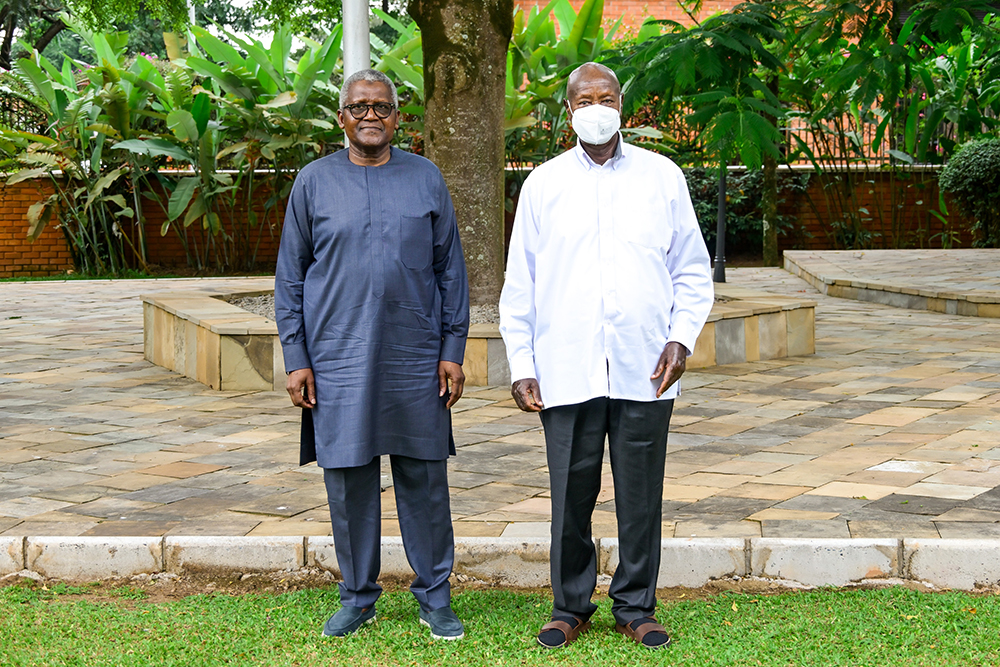
The quest for energy independence and robust economic integration in Africa has taken a significant leap forward, with Uganda's President Yoweri Museveni publicly endorsing a large-scale regional oil refinery project. This pivotal announcement came after a high-profile meeting with Nigerian billionaire and industrialist Aliko Dangote, a figure synonymous with ambitious infrastructure development across the continent. The proposed refinery is not merely an industrial venture; it represents a strategic pivot for East Africa, aiming to transform the region from a net importer of refined petroleum products to a self-sufficient, value-adding powerhouse. This move, championed by Museveni, underscores a growing pan-African consensus on the necessity of processing raw materials locally to unlock true economic potential and foster sustainable development.
The Vision: Regional Self-Sufficiency and Value Addition
President Museveni's backing of a regional refinery aligns perfectly with Uganda's long-term vision for its nascent oil sector. Discovered in significant quantities in the Albertine Graben, Uganda's crude oil reserves have long been earmarked for domestic processing rather than solely for export. The government's consistent stance has been that value addition is paramount. Instead of shipping crude oil abroad only to import refined products at a higher cost, Uganda seeks to refine its own oil, and ideally, that of its neighbors. This approach promises multiple benefits: reduced import bills, enhanced energy security, job creation, and the development of ancillary industries. The involvement of a figure like Aliko Dangote, whose Dangote Refinery in Nigeria is the largest single-train refinery in the world, lends immense credibility and practical expertise to the regional endeavor. His experience in navigating the complexities of such mega-projects offers a blueprint for success in East Africa.
The concept of a regional refinery extends beyond just Uganda's crude. It envisions a facility capable of processing crude from other East African nations, such as Kenya and potentially South Sudan, fostering a truly integrated energy market. This aligns with the broader objectives of the East African Community (EAC) to promote economic and political integration among its member states. By pooling resources and demand, the region can achieve economies of scale that would be difficult for individual nations to realize alone. The East African Crude Oil Pipeline (EACOP) project, which will transport crude from Uganda to the Tanzanian port of Tanga, is a testament to this collaborative spirit, laying the groundwork for a robust regional energy infrastructure. The refinery project would complement EACOP, ensuring that the region not only transports its crude efficiently but also processes it locally.
Historical Context: Africa's Refinery Deficit
Africa, despite holding approximately 8% of the world's proven oil reserves, has historically lagged in refining capacity. For decades, the continent has exported crude oil and then imported refined products like gasoline, diesel, and kerosene, often at significant premiums. This dependency has made African economies vulnerable to global price fluctuations and supply chain disruptions. According to the African Energy Chamber, Africa's refining capacity stood at around 3.6 million barrels per day (bpd) in 2020, but actual utilization was often much lower due to aging infrastructure, operational inefficiencies, and lack of investment. This deficit has necessitated billions of dollars in annual imports, draining foreign exchange reserves and hindering industrialization efforts.
* Economic Leakage: Exporting raw materials and importing finished goods leads to a significant loss of potential revenue and job creation within the continent. * Energy Insecurity: Reliance on external markets for refined products exposes nations to geopolitical risks and supply shocks. * Underdeveloped Industrial Base: The absence of robust refining capacity stunts the growth of petrochemical industries and other downstream sectors.
The push for new, modern refineries, exemplified by Dangote's venture in Nigeria and now the proposed East African project, seeks to reverse this trend. These projects are not just about fuel production; they are about building a foundation for broader industrialization, including the production of plastics, fertilizers, and other petrochemical derivatives that are crucial for modern economies.
Economic and Geopolitical Implications
Should the regional refinery project materialize, its implications for East Africa would be profound. Economically, it would represent a massive import substitution effort, saving billions of dollars annually that are currently spent on refined product imports. This capital could then be redirected towards other critical development projects, such as healthcare, education, and infrastructure. Furthermore, the refinery would create thousands of direct and indirect jobs, from construction and operations to logistics and maintenance, stimulating local economies. The development of a skilled workforce capable of managing complex industrial facilities would also be a significant human capital gain for the region.
Geopolitically, the refinery would enhance East Africa's strategic autonomy. Reduced reliance on external suppliers for vital energy products would strengthen the region's bargaining power on the global stage and insulate it from international market volatility. It would also solidify the EAC's position as a more integrated and self-reliant economic bloc, potentially attracting further foreign direct investment into other sectors. The success of such a project could also inspire similar initiatives in other African regions, contributing to a continent-wide shift towards greater industrial self-sufficiency.
However, such mega-projects are not without challenges. Financing, environmental concerns, and the need for robust regulatory frameworks are significant hurdles. The Dangote Refinery, for instance, faced years of delays and cost overruns before its eventual commissioning. The East African project would require careful planning, transparent governance, and strong regional cooperation to overcome these obstacles. The involvement of a private sector giant like Dangote, with a proven track record, could mitigate some of these risks by bringing in private capital and expertise, reducing the burden on national treasuries.
A Forward-Looking Perspective: The Future of African Energy
President Museveni's endorsement of a regional refinery, coupled with Dangote's interest, signals a clear direction for East Africa's energy future. It is a future where the continent takes control of its natural resources, adding value locally and driving its own development agenda. This vision is not unique to East Africa; it resonates across the continent, from Nigeria's ambitious refining projects to South Africa's efforts to modernize its energy infrastructure. The trend is clear: Africa is moving away from being merely a supplier of raw materials to becoming a processor and exporter of finished products.
The success of this regional refinery will depend on sustained political will, effective regional collaboration, and the ability to attract and manage significant investment. If successful, it could serve as a powerful model for other resource-rich regions in Africa, demonstrating the transformative power of local value addition. It's a bold step towards an economically integrated and energy-secure East Africa, a testament to the continent's growing determination to chart its own course in the global economy. The discussions between Museveni and Dangote are more than just a business meeting; they are a symbol of Africa's aspiration for true economic liberation and industrial renaissance.
Stay Informed
Get the world's most important stories delivered to your inbox.
No spam, unsubscribe anytime.
Comments
No comments yet. Be the first to share your thoughts!