UK Local Elections: Starmer's Leadership Under Scrutiny as Votes are Counted
As polls close across the UK, local election results are poised to deliver a critical verdict on Sir Keir Starmer's leadership and the Labour Party's trajectory. With hundreds of seats contested, the outcomes will offer a significant barometer of public sentiment ahead of the next general election. Early indications and expert analyses suggest a complex political landscape, challenging both major parties.
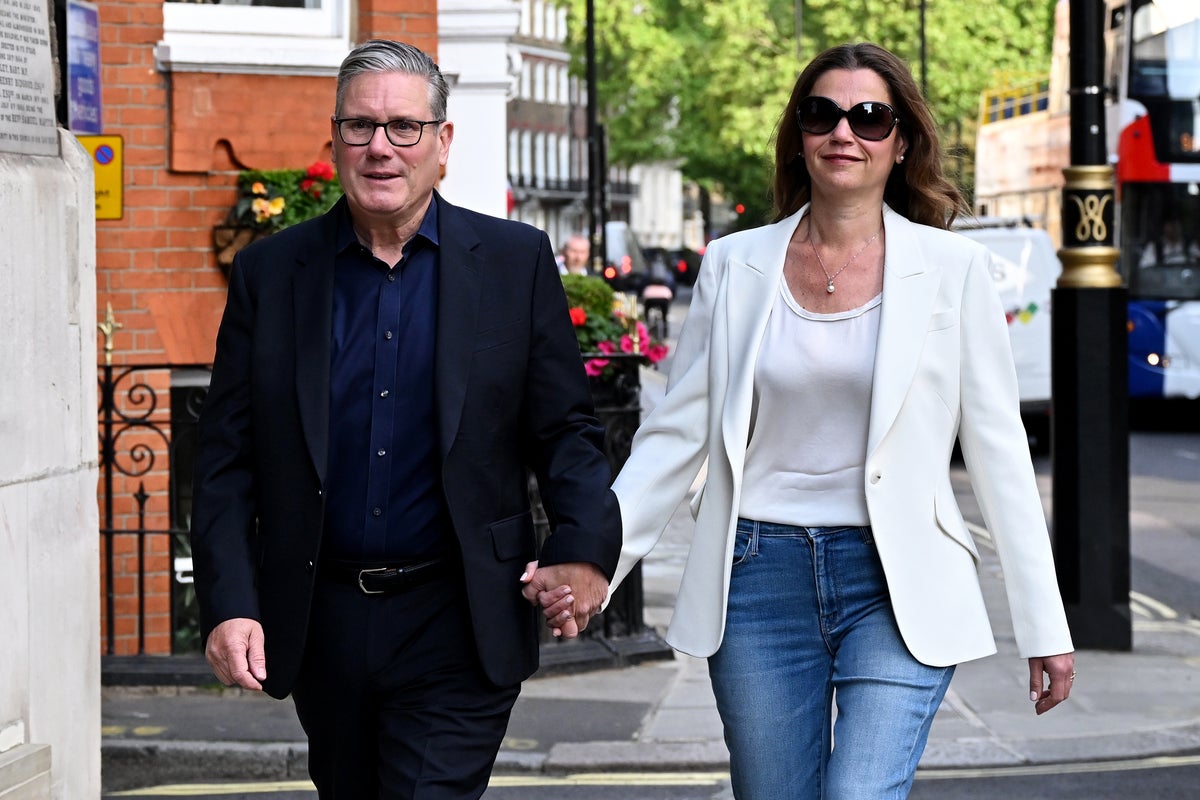
The ballot boxes are sealed, the polling stations are quiet, and the meticulous process of counting votes has begun across the United Kingdom. This isn't just another routine cycle of local elections; it's a pivotal moment, a major test for Sir Keir Starmer's leadership and a crucial indicator of the political currents sweeping through Britain. With hundreds of seats contested in England, Scotland, and Wales, the results expected over the coming hours and days will provide a granular insight into the national mood, offering a potential preview of the next general election.
The Stakes for Labour and Starmer
For the Labour Party, these elections are more than just about local council control; they are a referendum on their strategy, their appeal, and their leader. After a period of significant shifts in public opinion, Labour has seen its lead over the Conservatives fluctuate. A strong performance here would solidify Starmer's position, demonstrating that the party is indeed on a path to regaining the trust of traditional Labour voters and winning over new demographics. Conversely, a poor showing, particularly the loss of a significant number of seats as some analysts predict, could trigger uncomfortable questions about the party's direction and Starmer's electability. The source material highlights the potential for Labour to "lose hundreds of seats," a scenario that would undoubtedly fuel internal dissent and external criticism.
Historically, local elections often serve as a mid-term report card for the incumbent government and an opportunity for opposition parties to demonstrate their strength. However, the unique circumstances of the past few years – including the aftermath of Brexit, the COVID-19 pandemic, and a cost-of-living crisis – have created a volatile political environment. Labour has been keen to capitalize on public dissatisfaction with the Conservative government, particularly concerning economic management and public services. The results will reveal whether their messaging has resonated with voters where it matters most: at the local level.
Conservative Challenges and Resilience
While much of the focus is on Labour, the Conservative Party faces its own set of challenges. After a tumultuous period marked by leadership changes, scandals, and economic headwinds, the Tories are battling to retain their local strongholds and prevent further erosion of their support base. Prime Minister Rishi Sunak has been working to stabilize the economy and restore public trust, but the legacy of recent years weighs heavily. Local elections are often a chance for voters to express discontent with national policies without necessarily committing to a full change of government.
For the Conservatives, holding onto key councils and minimizing losses would be considered a success, demonstrating a degree of resilience in the face of adversity. The party's ability to mobilize its core vote, particularly in traditionally Conservative areas, will be critical. Any significant losses, especially in the so-called "Blue Wall" areas, would signal deeper trouble and intensify pressure on Sunak to deliver tangible improvements before the next general election. The interplay between national issues and local concerns is always complex; voters might be unhappy with Westminster but still prefer their local Conservative councilors, or vice-versa.
Beyond the Two Major Parties: The Rise of Others
These elections are not solely a two-horse race. The Liberal Democrats, Green Party, and various independent candidates are also vying for influence, and their performances could significantly alter the political landscape. The Liberal Democrats, under Sir Ed Davey, are aiming to make gains in their traditional heartlands and suburban areas, often capitalizing on tactical voting against the Conservatives. Their ability to pick up seats where neither Labour nor the Conservatives are strong contenders could be crucial in determining the overall balance of power in many councils.
The Green Party continues to build on its growing support, particularly in urban areas and among younger voters, pushing environmental issues to the forefront of local agendas. Their success in securing council seats often reflects a broader public concern for climate change and sustainable policies. Meanwhile, independent candidates, often focused on hyper-local issues, can sometimes upset the established party order, reflecting a desire among some voters for non-partisan representation.
The rise of these smaller parties and independents can lead to hung councils, where no single party has overall control, necessitating coalitions or minority administrations. This can make local governance more complex but also more representative of diverse community interests.
The Counting Process and What Comes Next
The immediate aftermath of polls closing involves the meticulous process of vote counting. For 46 of the 136 local authorities in England, results will be declared overnight, providing the first indications of trends. The counting for the Senedd (Welsh Parliament) and Holyrood (Scottish Parliament) elections, which are also taking place, will commence tomorrow, adding another layer of complexity and national significance to the results. These devolved elections have their own dynamics, often reflecting distinct national identities and political priorities within the UK.
The methodology of counting varies, with some councils opting for overnight counts to deliver swift results, while others prefer to wait until daylight hours. This staggered approach means that the full picture will emerge gradually, with a constant stream of declarations painting an evolving mosaic of the UK's political mood. Journalists and political analysts will be poring over every ward result, looking for swings, gains, and losses that could signal broader shifts in voter allegiance.
Implications for the General Election
While local elections are distinct from general elections, their outcomes are often seen as a bellwether. A strong performance by Labour could inject momentum into their national campaign, boost party morale, and provide Starmer with a mandate to push forward with his policy agenda. Conversely, a disappointing result could force a re-evaluation of strategy and messaging, potentially leading to internal strife.
For the Conservatives, holding their ground would offer a much-needed morale boost and suggest that their efforts to turn the tide are bearing some fruit. However, significant losses would amplify calls for a more radical approach to governance and policy. The results will undoubtedly shape the narrative leading up to the next general election, influencing party manifestos, campaign strategies, and public perception of the leaders. The ability of parties to translate local successes into national appeal, or to mitigate local setbacks, will be a defining challenge in the months ahead.
Ultimately, these local elections are more than just a contest for council seats; they are a vital pulse check on the health of British democracy and a critical indicator of the direction the country is heading. The coming days will reveal whether the political landscape is shifting dramatically or if the established order remains resilient, setting the stage for the next chapter in UK politics.
Stay Informed
Get the world's most important stories delivered to your inbox.
No spam, unsubscribe anytime.
Comments
No comments yet. Be the first to share your thoughts!