Ukraine Under Siege: Deadly Russian Drone Barrage Shatters Ceasefire Hope, Claims Lives
A fragile ceasefire has crumbled as Russia unleashes a devastating wave of drone attacks across Ukraine, killing six and injuring many. President Zelensky warns of continued assaults, highlighting Moscow's relentless strategy of terror. This resurgence of violence underscores the escalating humanitarian crisis and the international community's urgent need for a robust response.
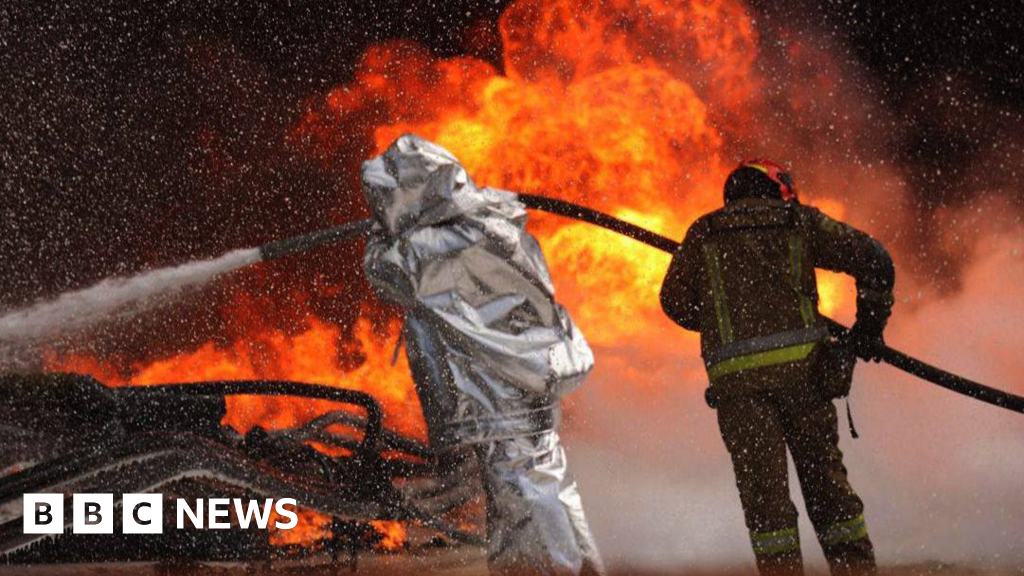
The fragile calm that briefly settled over parts of Ukraine has been brutally shattered, replaced by the chilling, persistent hum of deadly drones. In a grim resurgence of hostilities, Russia has launched a massive, coordinated aerial assault, claiming at least six lives and leaving many more injured across the war-torn nation. This latest barrage, which President Volodymyr Zelensky warned was merely the precursor to "more waves" of strikes, marks a stark and tragic end to any fleeting hopes of de-escalation, plunging Ukraine once again into a terrifying cycle of violence.
The Anatomy of a Renewed Assault
The attacks, which unfolded with devastating intensity on Wednesday, saw Russian forces deploy an unprecedented number of unmanned aerial vehicles (UAVs). While specific figures are still emerging, initial reports from Ukrainian authorities suggest a scale reminiscent of some of the war's darkest periods. These aren't random, isolated incidents; they are calculated, strategic strikes designed to sow terror, degrade infrastructure, and break the morale of the Ukrainian populace. The drones, often Iranian-made Shahed-136 'Geran-2' kamikaze drones, are relatively inexpensive but highly effective at overwhelming air defense systems, especially when launched in swarms.
Witnesses in various cities described the harrowing experience of air raid sirens wailing through the night, followed by the distinctive, lawnmower-like buzz of the drones, and then the terrifying explosions. Residential buildings, critical infrastructure, and civilian areas have once again borne the brunt of these attacks, painting a grim picture of indiscriminate warfare. The human cost is immediate and profound: families shattered, homes destroyed, and communities living under a perpetual cloud of fear. This strategy of targeting civilian areas is a clear violation of international humanitarian law, yet it remains a persistent feature of Russia's war effort.
A Ceasefire's Ephemeral Promise
The resumption of these deadly attacks comes on the heels of a brief, informal ceasefire that had offered a glimmer of hope, however faint. Such truces, often brokered through international diplomacy or tacit understandings, have historically been fleeting in this conflict, frequently used by one side or the other to regroup, resupply, or launch renewed offensives. The current situation is no different. The very notion of a 'ceasefire' in this context often feels like a cruel misnomer, a temporary lull before the next storm. For the people of Ukraine, the cycle of hope and despair is a constant companion.
This pattern of negotiation followed by escalation is a well-worn tactic in modern warfare, particularly in conflicts involving asymmetric power dynamics. Russia's actions suggest a deliberate strategy to exert maximum pressure, both militarily and psychologically, on Ukraine and its Western allies. By demonstrating its continued capacity to inflict pain and destruction, Moscow aims to undermine international support for Kyiv and force concessions at the negotiating table. However, Ukraine's resilience, bolstered by Western aid, has repeatedly defied such cynical calculations.
Historical Context and Geopolitical Chessboard
To understand the current drone offensive, one must look at the broader historical and geopolitical context. Russia's full-scale invasion of Ukraine in February 2022 was the culmination of years of simmering tensions, rooted in Ukraine's aspirations for closer ties with the West and Russia's perceived security concerns. The conflict is not merely a territorial dispute; it is a clash of ideologies, a struggle for regional dominance, and a test of the international rules-based order.
Drone warfare has become a defining characteristic of this conflict. Early in the war, Ukraine's effective use of Turkish Bayraktar TB2 drones gained significant attention. However, Russia has since ramped up its own drone capabilities, heavily relying on foreign suppliers like Iran. This shift highlights the evolving nature of modern combat, where relatively low-cost, expendable UAVs can have a disproportionate impact on the battlefield and in civilian areas. The acquisition and deployment of these weapons also underscore the complex web of international alliances and dependencies at play.
The international community's response has been a mix of condemnation, sanctions, and military aid. While Western nations have provided billions in assistance, the scale of Russia's aggression continues to pose significant challenges. The ongoing debate about the provision of advanced air defense systems, long-range missiles, and fighter jets reflects the delicate balance between supporting Ukraine and avoiding direct confrontation with a nuclear-armed Russia. Each drone strike, each civilian casualty, intensifies the moral and strategic dilemmas faced by global leaders.
Expert Analysis and Implications
Military analysts suggest that the renewed drone campaign serves multiple purposes for Russia. Firstly, it aims to deplete Ukraine's air defense stockpiles, forcing Kyiv to expend valuable interceptor missiles on relatively cheap drones. This strategy, often referred to as a "cost-exchange ratio" war, seeks to create vulnerabilities for future, more sophisticated missile attacks. Secondly, it is a clear message of deterrence and psychological warfare, intended to erode public confidence and pressure the Ukrainian government. By making daily life unbearable, Moscow hopes to foster dissent and undermine the national will to resist.
Furthermore, these attacks could be a precursor to a larger ground offensive, or a means to soften targets ahead of one. By disrupting supply lines, damaging energy infrastructure, and tying up military resources in urban defense, Russia seeks to gain a strategic advantage. The sheer volume of drones also tests Ukraine's intelligence and early warning systems, forcing them to adapt constantly.
For the international community, the implications are profound. The continued aggression underscores the need for sustained and increased military aid to Ukraine, particularly in advanced air defense capabilities. It also highlights the urgency of tightening sanctions on Russia and its enablers, to cut off the supply chains for components used in these deadly weapons. The humanitarian crisis will inevitably deepen, requiring greater international assistance for displaced persons and reconstruction efforts. The credibility of international law and institutions is also at stake; failure to hold perpetrators accountable emboldens future aggressors.
A Future Forged in Resilience
As the smoke clears from the latest attacks, Ukraine stands defiant, albeit bruised. President Zelensky's warnings of "more waves" are not just a grim forecast but a call to action for his people and their allies. The resilience of the Ukrainian spirit, forged in the crucible of war, continues to be a powerful force against overwhelming odds. Communities are rallying, emergency services are working tirelessly, and international partners are reaffirming their commitments.
The path forward is fraught with challenges. Ukraine will need continued, robust support to defend its skies, rebuild its infrastructure, and care for its wounded. The international community must remain vigilant, united, and steadfast in its commitment to justice and peace. The drone attacks are a stark reminder that the fight for Ukraine's sovereignty is far from over, and the cost of freedom continues to be paid in human lives. The world watches, hoping that the next wave brings not destruction, but a lasting peace for a nation that has endured so much.
---
Stay Informed
Get the world's most important stories delivered to your inbox.
No spam, unsubscribe anytime.
Comments
No comments yet. Be the first to share your thoughts!