UK's Digital Reckoning: Starmer Confronts Tech Giants on Child Safety Amidst Ban Talk
Prime Minister Keir Starmer has issued a stern warning to social media executives, declaring that the current state of online safety for children is unsustainable. This high-stakes meeting at Downing Street underscores the government's growing impatience with tech giants and signals a potential crackdown. With consultations underway for a possible ban on under-16s from social media, the UK is poised to become a global leader in digital regulation, challenging the industry's self-governance model.
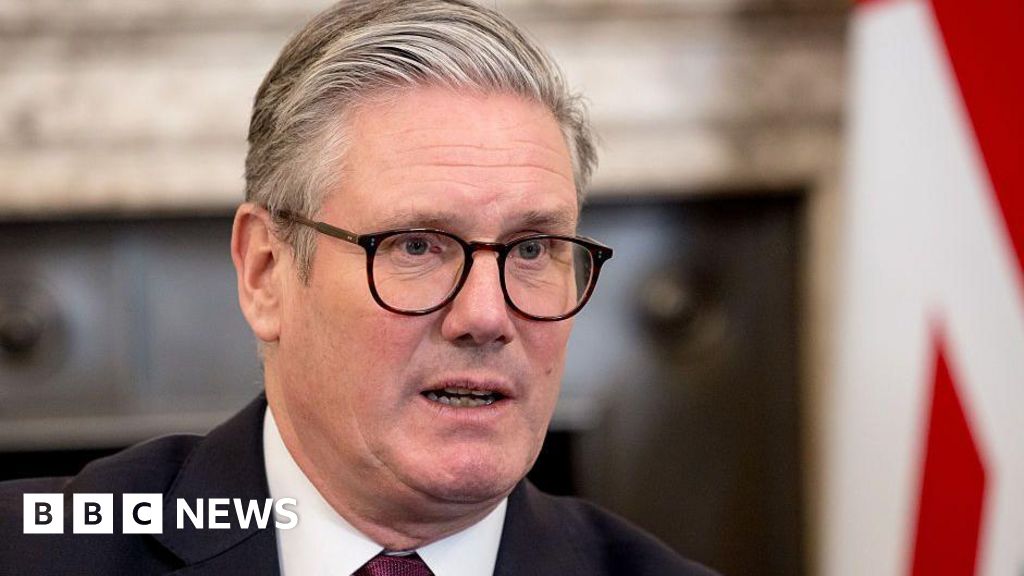
In a pivotal moment that could redefine the landscape of online safety, UK Prime Minister Sir Keir Starmer recently convened a high-level meeting at Downing Street, delivering an unequivocal message to the titans of the social media industry: "Things cannot go on like this." This stark declaration, aimed at executives from some of the world's most influential tech companies, signals a significant escalation in the government's efforts to protect children from the myriad dangers lurking in the digital realm. The meeting comes amidst ongoing government consultations regarding a potential ban on under-16s from accessing social media platforms, a move that would position the UK at the forefront of global digital regulation.
The urgency of Starmer's address reflects a growing national consensus that the current self-regulatory model employed by tech companies is fundamentally inadequate. For years, parents, educators, and child safety advocates have voiced alarms about issues ranging from cyberbullying and exposure to harmful content to the addictive nature of platforms and their impact on mental health. The Prime Minister's intervention marks a shift from calls for corporate responsibility to a more assertive stance, suggesting that legislative action is not just a possibility, but a looming certainty if voluntary measures continue to fall short.
The Unfolding Crisis: A Decade of Digital Dilemmas
The concerns articulated by Starmer are not new; they are the culmination of over a decade of evolving digital challenges. The rapid proliferation of social media platforms, initially hailed as tools for connection and empowerment, has gradually revealed a darker underbelly. Studies consistently highlight the detrimental effects on young people's well-being. For instance, a 2023 report by the UK's children's commissioner found that 50% of 10-12 year olds regularly use social media, often bypassing age restrictions. Furthermore, data from the NSPCC indicates that one in five children aged 10-15 have experienced cyberbullying, with social media being a primary conduit.
The public mood has shifted dramatically. What was once seen as an individual parenting challenge is now widely recognized as a systemic failure requiring governmental intervention. High-profile cases of online harm, including those tragically linked to suicide and severe mental health issues among young people, have fueled public outrage and intensified calls for accountability. The government's proposed Online Safety Act, though a significant step, is increasingly viewed as a baseline, with many arguing for more stringent measures, such as outright age bans, to truly safeguard the youngest users.
Starmer's Stance: From Consultation to Confrontation
Prime Minister Starmer's direct confrontation with tech executives is a clear indicator that the era of passive negotiation is over. His message underscores a commitment to prioritizing child safety over corporate profits and technological innovation without ethical guardrails. The ongoing consultation regarding a ban for under-16s is a bold proposition, one that challenges the very business model of platforms reliant on user growth and engagement, regardless of age.
Such a ban, if implemented, would present significant logistical and technical hurdles. How would age verification be effectively enforced across a multitude of platforms? What role would AI play in identifying underage users? And what are the potential unintended consequences, such as driving younger users to less regulated, darker corners of the internet? These are complex questions that the government, in collaboration with experts, must address. However, the political will appears to be firmly in place, signaling that these challenges are seen as surmountable in the face of paramount child protection.
Global Implications and the Future of Digital Regulation
The UK's assertive stance could have profound global implications. As a leading economy and a significant market for tech companies, its regulatory actions often set precedents that other nations may follow. If the UK successfully implements and enforces a ban for under-16s, it could inspire similar measures across Europe, North America, and beyond. This would fundamentally alter how social media platforms operate worldwide, forcing them to invest heavily in robust age verification technologies and more stringent content moderation for all users.
* Shift in Corporate Responsibility: Tech companies would be compelled to move beyond reactive measures to proactive design principles that prioritize safety by default. This includes: * Developing privacy-enhancing technologies. * Implementing stricter age-gating mechanisms. * Investing in human moderation alongside AI. * Innovation in Age Verification: The demand for reliable and privacy-preserving age verification tools would skyrocket, spurring innovation in this critical area. * Redefining 'Digital Childhood': A ban could lead to a cultural re-evaluation of when and how children engage with digital technologies, potentially encouraging more offline activities and fostering healthier developmental pathways.
However, the path forward is fraught with challenges. Critics argue that a blanket ban might not be the most effective solution, potentially leading to a black market for accounts or pushing children to less visible platforms. They advocate for enhanced digital literacy education, parental controls, and more sophisticated content filtering as complementary, if not primary, solutions. The debate is not merely about if regulation is needed, but what kind of regulation will be most impactful and sustainable.
Conclusion: A New Era of Accountability for Tech
Prime Minister Starmer's meeting with social media bosses marks a watershed moment in the ongoing battle for online child safety. His firm declaration that "things cannot go on like this" is not just a warning; it is a promise of impending action. The UK government appears determined to move beyond rhetoric, exploring concrete legislative measures, including a potential ban for under-16s, to rein in the unchecked power of tech giants.
The coming months will be crucial. The outcome of the government's consultation and the subsequent legislative steps will determine whether the UK can successfully carve out a new paradigm for digital responsibility, one where the well-being of its youngest citizens takes precedence over algorithmic engagement and corporate growth. The world watches as Britain prepares to redraw the boundaries of the digital playground, aiming to make it a safer space for the next generation. The message is clear: the era of self-regulation for tech is drawing to a close, and a new age of accountability is dawning.
Stay Informed
Get the world's most important stories delivered to your inbox.
No spam, unsubscribe anytime.
Comments
No comments yet. Be the first to share your thoughts!