US and Ukraine Forge Landmark Drone Defense Pact Amidst Evolving Global Conflicts
A groundbreaking defense agreement is taking shape between the United States and Ukraine, focusing on the joint development and production of advanced drone technologies. This strategic partnership, born from the urgent lessons of the ongoing conflict in Ukraine and recent events involving Iran, aims to bolster Kyiv's defensive capabilities while fostering a new era of transatlantic defense innovation. The deal signifies a pivotal shift towards integrating cutting-edge unmanned systems into modern warfare strategies and supply chains.
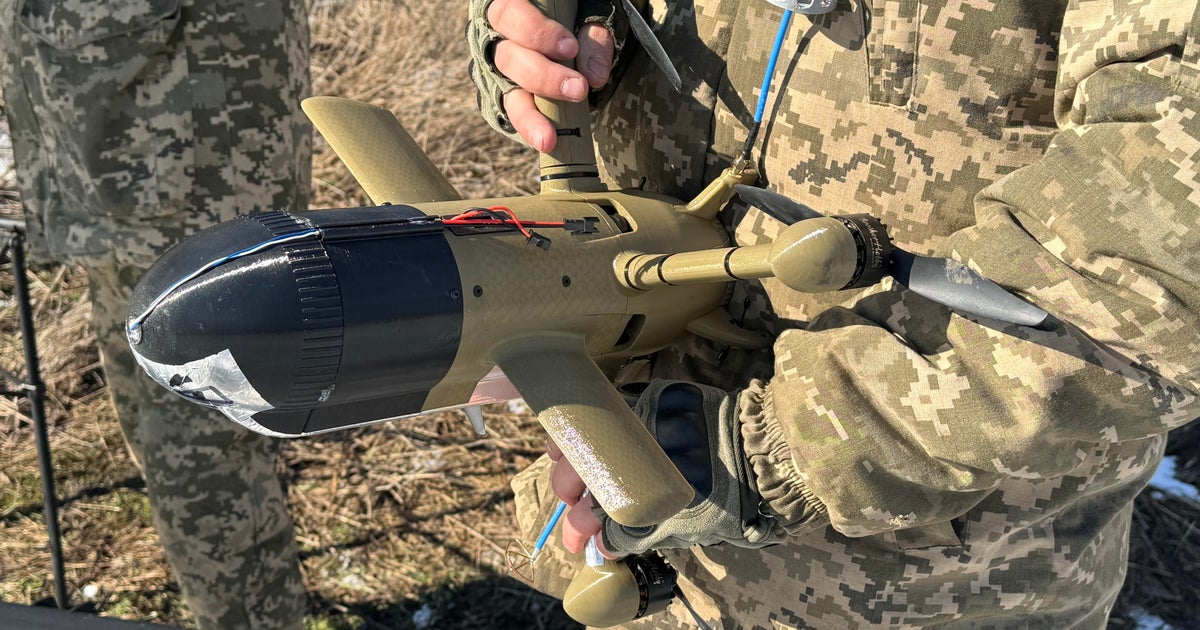
In a significant development poised to reshape the landscape of modern warfare and international defense cooperation, the United States and Ukraine are on the cusp of finalizing a landmark agreement for the joint development and production of advanced drone defense systems. This strategic partnership, confirmed by multiple sources familiar with the ongoing negotiations, is not merely a transactional arms deal but a profound commitment to shared innovation and long-term security. The urgency driving this collaboration stems directly from the brutal realities of the conflict in Ukraine, where unmanned aerial vehicles (UAVs) have proven to be both devastating offensive weapons and critical defensive assets, as well as recent escalations involving Iran that underscored the global proliferation and impact of drone technology.
The Genesis of a New Defense Paradigm
The discussions, spearheaded by the U.S. State Department and high-ranking Ukrainian officials, have culminated in a draft memorandum outlining the terms of this unprecedented defense pact. For Ukraine, this agreement represents a vital step towards securing its skies and ground forces against persistent drone attacks, particularly from Russia’s extensive arsenal of Iranian-supplied Shahed drones. For the United States, it’s an opportunity to leverage Ukrainian battlefield experience to rapidly innovate and co-produce systems that could become standard for NATO and allied nations. The proposed deal moves beyond traditional arms sales, emphasizing co-creation, technology transfer, and the establishment of robust, resilient supply chains that can withstand geopolitical pressures and future conflicts. This approach acknowledges that the future of defense lies not just in acquiring advanced weapons, but in mastering their development and production collaboratively.
The initial focus is expected to be on counter-UAS (C-UAS) technologies, including advanced electronic warfare systems, sophisticated interceptors, and AI-driven detection and targeting platforms. Ukraine’s front-line experience provides an invaluable testing ground and feedback loop for these systems, allowing for rapid iteration and improvement. The U.S., in turn, brings unparalleled technological expertise, manufacturing capabilities, and investment capital. This synergy aims to create a self-sustaining ecosystem for drone defense innovation, reducing Ukraine's reliance on external aid over time and establishing it as a hub for cutting-edge defense technology in Europe.
Learning from the Battlefield: Ukraine's Drone War
The war in Ukraine has undeniably been a crucible for drone warfare. From reconnaissance and targeting to direct strike capabilities, UAVs have played an outsized role, often dictating the pace and nature of engagements. Russia's deployment of thousands of Iranian-made Shahed-136 "kamikaze" drones has posed a significant challenge to Ukrainian air defenses, forcing Kyiv to innovate rapidly. Ukraine has responded by developing its own indigenous drone programs, from small FPV (First Person View) attack drones to larger reconnaissance and strike platforms. However, the sheer scale of the threat necessitates a more robust, integrated, and industrially supported solution.
The proposed U.S.-Ukraine deal recognizes this critical need. It aims to formalize and accelerate the transfer of American C-UAS expertise and components, while simultaneously fostering Ukrainian domestic production. This includes not just the hardware but also the crucial software, command-and-control systems, and training necessary for effective deployment and maintenance. The goal is to build a layered defense system capable of identifying, tracking, and neutralizing a wide spectrum of drone threats, from low-cost commercial quadcopters modified for combat to sophisticated military-grade UAVs. The lessons learned from defending against swarms of Shaheds are directly applicable to other potential conflict zones, making this partnership globally relevant.
Broader Implications: Geopolitics and Industrial Strategy
This agreement carries significant geopolitical weight. It signals a long-term commitment from the U.S. to Ukraine's security and sovereignty, extending beyond immediate military aid to strategic industrial cooperation. For the U.S. defense industry, it opens new avenues for innovation and market expansion, allowing American companies to collaborate with Ukrainian counterparts and access unique battlefield insights. It also serves as a strong deterrent to adversaries, demonstrating the resolve of democratic nations to counter aggression through technological superiority and collective defense.
Furthermore, the deal has implications for global supply chains. By establishing joint production facilities, potentially within Ukraine or neighboring allied countries, the partnership aims to diversify and secure the supply of critical defense components. This reduces reliance on single-source suppliers and mitigates risks associated with geopolitical instability or logistical bottlenecks. The emphasis on co-production also aligns with broader U.S. strategic goals of fostering industrial resilience among allies and partners, creating a more distributed and robust defense industrial base that can respond effectively to emerging threats.
Challenges and the Path Forward
While the memorandum marks a crucial step, significant challenges remain. Implementing such a complex defense industrial partnership will require overcoming bureaucratic hurdles, ensuring intellectual property protection, and navigating the inherent risks of operating in a war zone. Security concerns for production facilities in Ukraine will be paramount, necessitating robust protective measures and potentially decentralized manufacturing approaches. Funding mechanisms, technology transfer protocols, and long-term sustainment plans will also need meticulous planning and execution.
However, the political will on both sides appears strong. The U.S. has consistently reiterated its commitment to Ukraine's long-term defense needs, and Ukraine views this partnership as essential for its survival and future security. The deal is expected to be finalized and announced in the coming months, potentially coinciding with high-level diplomatic engagements. Its success will not only bolster Ukraine's defenses but also set a precedent for future international defense collaborations, demonstrating how shared threats can forge deep, innovative, and mutually beneficial strategic alliances.
In conclusion, the impending U.S.-Ukraine drone defense deal is more than just an agreement; it's a strategic pivot. It reflects a clear understanding that the nature of warfare has evolved, demanding agile, collaborative, and technologically advanced responses. By combining American innovation with Ukrainian battlefield experience, this partnership promises to deliver a new generation of defense capabilities, securing Ukraine's future while providing invaluable lessons and technologies for global security in an increasingly complex world.
Stay Informed
Get the world's most important stories delivered to your inbox.
No spam, unsubscribe anytime.
Comments
No comments yet. Be the first to share your thoughts!