US-China Summit: High Stakes as Trump and Xi Prepare for Pivotal Beijing Talks
As Presidents Trump and Xi prepare for a critical summit in Beijing, the global spotlight intensifies on the future of US-China relations. This meeting, set against a backdrop of complex trade negotiations and regional power dynamics, carries immense implications for global stability and economic prosperity. Observers are keenly watching for breakthroughs or further tensions in this pivotal bilateral relationship.
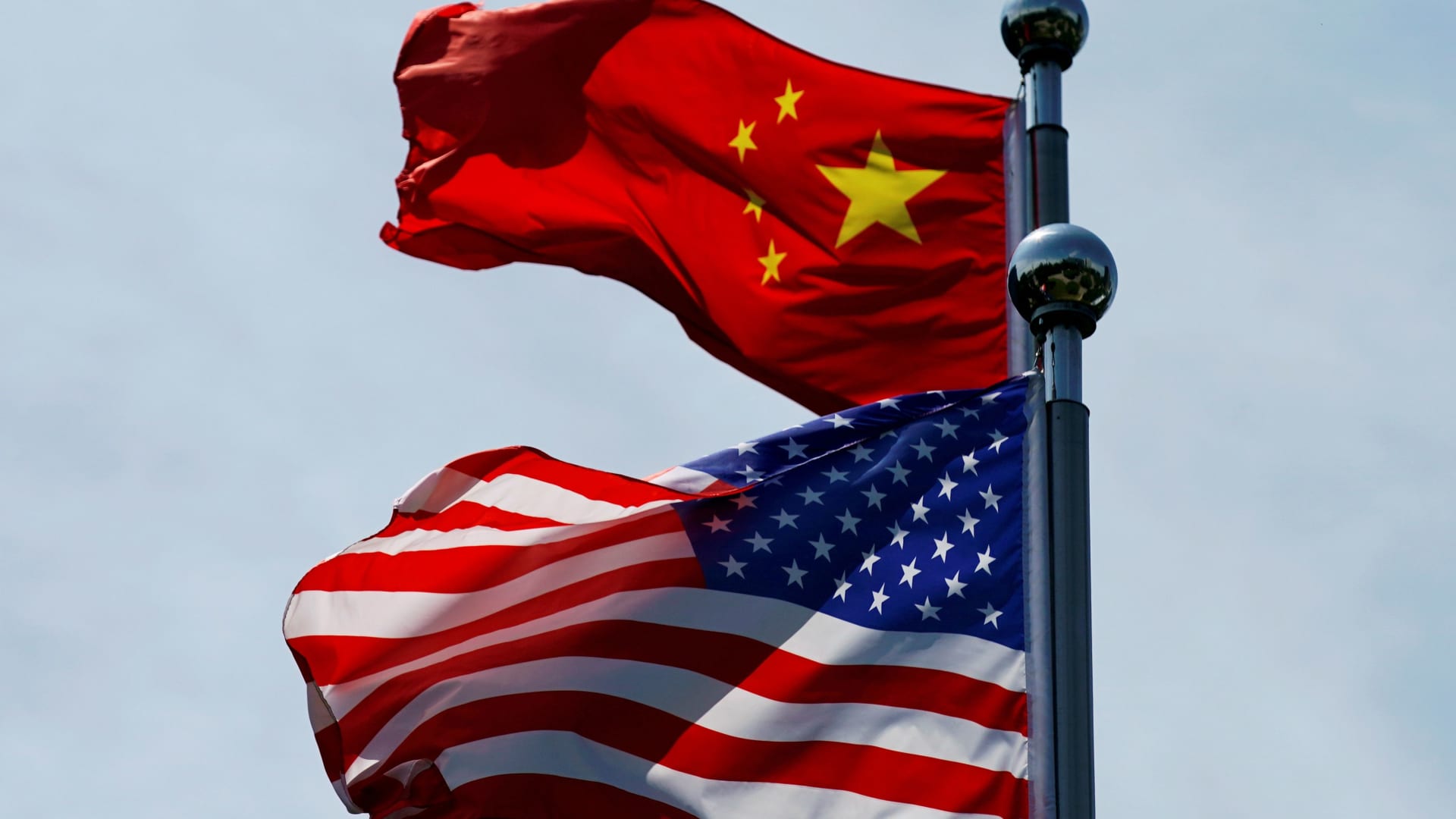
The geopolitical chessboard of East Asia is set for a monumental week as U.S. President Donald Trump and Chinese President Xi Jinping prepare to convene in Beijing. This highly anticipated summit, scheduled amidst a flurry of diplomatic activities, is not merely a bilateral meeting; it is a crucible where the future trajectory of the world's two largest economies, and by extension, global stability, will be tested. The stakes are extraordinarily high, with issues ranging from intricate trade imbalances and intellectual property disputes to regional security concerns like North Korea and the South China Sea dominating the agenda.
The Looming Shadow of Trade Wars
At the forefront of discussions is the contentious issue of trade. The U.S. has consistently voiced concerns over its substantial trade deficit with China, alleging unfair trade practices, forced technology transfers, and intellectual property theft. These grievances have fueled a period of heightened tensions, marked by the imposition of tariffs and counter-tariffs that have sent ripples through global supply chains. For instance, in 2018, the U.S. imposed tariffs on over $250 billion worth of Chinese goods, prompting retaliatory measures from Beijing. The economic impact has been palpable, affecting industries from agriculture to technology in both nations and beyond.
* U.S. Demands: Reduction of the trade deficit, greater market access for American companies, stronger intellectual property protection, and an end to state subsidies for Chinese industries. * China's Stance: While open to negotiations, Beijing has consistently pushed back against what it perceives as protectionist measures and has emphasized the need for a balanced and mutually beneficial trade relationship. China's growing middle class represents a significant market for U.S. goods and services, a point often highlighted by Chinese officials.
Success in these trade talks would involve concrete commitments from China to address U.S. concerns, potentially leading to a de-escalation of tariffs and a more predictable global trade environment. Failure, however, could plunge the world into a deeper and more damaging trade war, with severe consequences for global economic growth and stability. The meeting of trade negotiators in Seoul ahead of the summit underscores the urgency and complexity of these economic discussions.
North Korea: A Shared but Divergent Challenge
Beyond economics, the specter of North Korea's nuclear program looms large. Both the U.S. and China share a common objective of denuclearizing the Korean Peninsula, yet their approaches have often diverged. Beijing, historically Pyongyang's closest ally and economic lifeline, has played a critical role in enforcing international sanctions, but also advocates for dialogue and a phased approach to denuclearization. The U.S., under Trump, has at times adopted a more confrontational stance, although recent diplomatic overtures have shifted the dynamic.
* U.S. Perspective: Seeks complete, verifiable, and irreversible denuclearization (CVID) and has pressed China to exert maximum pressure on Pyongyang. * China's Perspective: Prioritizes stability on its border, fears a collapse of the North Korean regime, and advocates for a 'dual-track' approach involving denuclearization talks alongside a peace mechanism for the peninsula.
President Trump will likely seek assurances from President Xi regarding China's continued cooperation on North Korea, particularly in maintaining sanctions enforcement. Any perceived weakening of China's resolve could complicate future denuclearization efforts and potentially embolden Pyongyang. Conversely, a coordinated strategy could pave the way for more effective multilateral engagement.
South China Sea and Regional Hegemony
The South China Sea remains another flashpoint, where China's expansive territorial claims and rapid militarization of artificial islands conflict with the claims of several Southeast Asian nations and the U.S. commitment to freedom of navigation. The U.S. has conducted
Stay Informed
Get the world's most important stories delivered to your inbox.
No spam, unsubscribe anytime.
Comments
No comments yet. Be the first to share your thoughts!