US Troop Withdrawal from Germany: A Deep Dive into Shifting Alliances and Geopolitical Fallout
The Pentagon's decision to withdraw 5,000 troops from Germany signals a significant shift in transatlantic relations, fueled by escalating tensions between former President Trump and European leaders over defense spending and foreign policy. This move, part of a broader reevaluation of military posture, raises critical questions about NATO's future, European security, and the enduring strength of the US-German alliance. Experts warn of potential destabilization in a volatile geopolitical landscape.
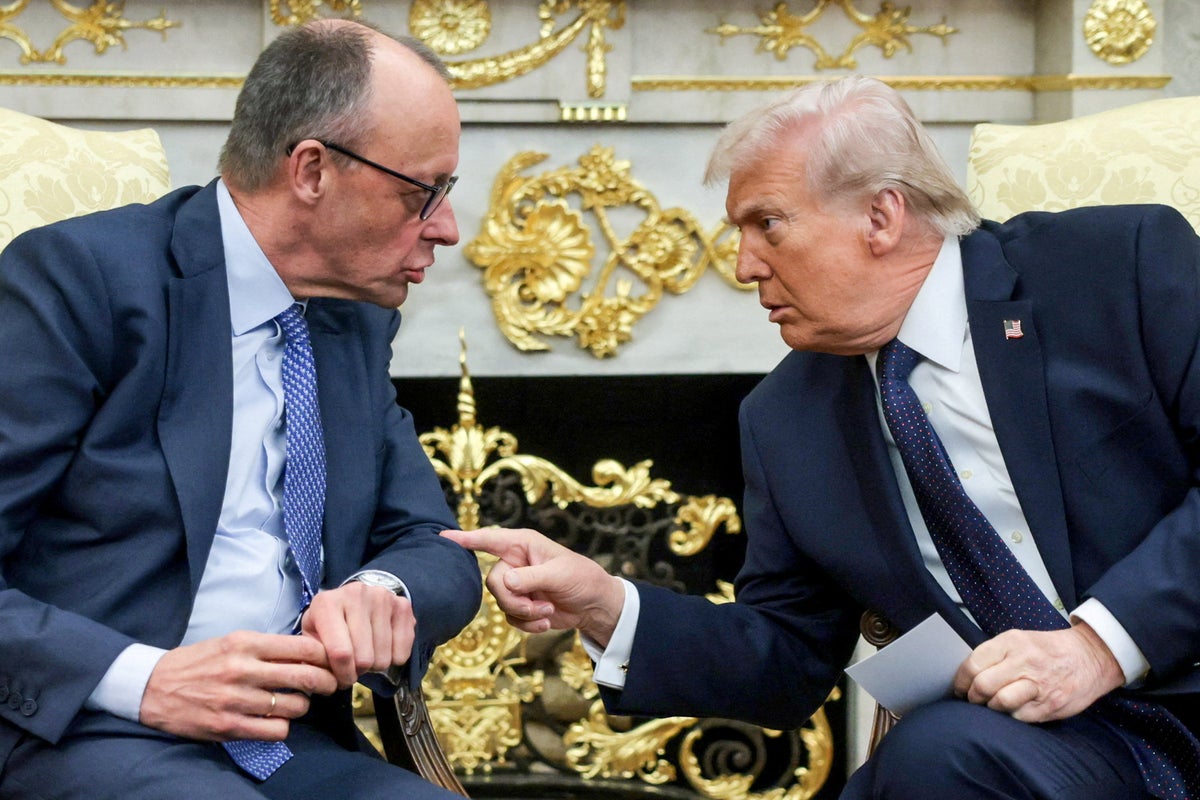
The Pentagon's announcement to withdraw 5,000 troops from Germany sent ripples across the transatlantic alliance, marking a pivotal moment in the evolving relationship between the United States and its long-standing European partners. This decision, initially spurred by a heated exchange between then-President Donald Trump and German Chancellor Angela Merkel, underscored a deepening rift over defense spending, strategic priorities, and the very foundation of NATO. Far from being a mere logistical adjustment, this troop reduction symbolized a broader reevaluation of American foreign policy and its commitment to collective security, leaving allies to ponder the implications for regional stability and their own defense capabilities.
For decades, Germany has served as a critical hub for U.S. military operations, hosting tens of thousands of American service members and their families. These bases, including Ramstein Air Base and Spangdahlem Air Base, have been instrumental in projecting U.S. power, supporting NATO missions, and providing logistical support for operations across Europe, Africa, and the Middle East. The presence of U.S. troops has been a tangible manifestation of the post-World War II security architecture, a bedrock of stability that has weathered numerous geopolitical storms. The sudden decision to scale back this presence, therefore, is not just about numbers; it's about the erosion of trust and the redefinition of alliances that have shaped global order for over 70 years.
The Genesis of Discontent: Trump's 'America First' Doctrine
The roots of this withdrawal can be traced directly to former President Trump's 'America First' foreign policy, which consistently challenged traditional alliances and demanded greater burden-sharing from NATO members. Trump frequently criticized Germany for not meeting NATO's target of spending 2% of its GDP on defense, viewing its economic strength as incompatible with what he perceived as an insufficient contribution to collective security. His rhetoric often painted Germany as a free-rider, benefiting from American protection without reciprocating adequately. This narrative, while resonating with a segment of the American electorate, alienated European leaders who saw their contributions to global security, albeit often in different forms, as substantial.
The specific catalyst for the withdrawal announcement was reportedly a heated exchange between Trump and German officials, including then-Chancellor Angela Merkel, regarding Germany's defense spending and its stance on various international issues, including the Iran nuclear deal. A senior Pentagon official reportedly described Germany's recent rhetoric as 'unhelpful,' signaling a breakdown in diplomatic communication at the highest levels. This public spat brought to a head years of simmering tensions, transforming a policy disagreement into a direct challenge to the alliance's operational structure. The withdrawal, therefore, was not merely a strategic repositioning but also a punitive measure, intended to pressure Germany into increasing its defense outlays.
Strategic Implications for NATO and European Security
Removing 5,000 troops, while a significant number, represents a fraction of the total U.S. presence in Germany, which typically hovers around 35,000-40,000 personnel. However, the symbolic impact far outweighs the numerical reduction. This move raises profound questions about NATO's credibility and its ability to deter potential adversaries. Germany, situated at the heart of Europe, has historically been a frontline state in Cold War defense strategies. A reduced U.S. footprint could be interpreted by Russia as a weakening of Western resolve, potentially emboldening aggressive actions in Eastern Europe or the Baltics.
Furthermore, the withdrawal complicates NATO's rapid deployment capabilities. U.S. bases in Germany are crucial for logistical support, training, and staging operations for forces deploying to other parts of Europe, Africa, and the Middle East. Any reduction or relocation of these assets could slow down response times and diminish the alliance's overall readiness. European allies, already grappling with their own defense challenges, are now faced with the daunting task of filling a potential security vacuum, either by significantly increasing their own military spending and capabilities or by seeking alternative security arrangements. This could lead to a more fragmented European defense landscape, potentially undermining the very unity NATO was designed to foster.
Economic and Social Impact on Germany
Beyond the geopolitical ramifications, the withdrawal of U.S. troops has tangible economic and social consequences for Germany. American military bases are often economic engines for their surrounding communities, providing employment for thousands of German civilians, both directly and indirectly through local businesses that cater to military personnel and their families. The departure of 5,000 troops means a loss of jobs, reduced consumer spending, and a decline in demand for local services, which can be particularly devastating for smaller towns heavily reliant on the U.S. presence.
Moreover, the long-standing presence of American troops has fostered deep cultural and social ties. Generations of Germans have grown up alongside American service members, leading to unique cross-cultural exchanges and friendships. The withdrawal, therefore, also represents a loss of this human connection, potentially eroding the goodwill and mutual understanding that have been carefully cultivated over decades. Local communities, often proud of their association with the U.S. military, face an uncertain future, grappling with the economic void and the emotional impact of saying goodbye to their American neighbors.
The Path Forward: Rebuilding Trust and Redefining Alliances
The decision to withdraw troops from Germany highlights the urgent need for a renewed dialogue between the United States and its European allies. While the Trump administration's approach was often confrontational, the underlying questions about burden-sharing and strategic priorities remain valid. European nations, particularly economic powerhouses like Germany, are increasingly expected to shoulder a greater share of the collective defense burden, especially in an era of rising global threats and evolving security challenges.
President Biden's administration has signaled a desire to repair transatlantic relations and reaffirm America's commitment to NATO. However, the precedent set by the Trump era means that European allies will likely seek greater strategic autonomy and diversification of their security partnerships. This could involve strengthening intra-European defense cooperation, investing more in their own military capabilities, and even exploring new alliances. The future of the U.S.-German relationship, and indeed the broader transatlantic alliance, will depend on a delicate balance of shared interests, mutual respect, and a willingness to adapt to a rapidly changing world. The withdrawal serves as a stark reminder that alliances, no matter how enduring, require constant nurturing and a shared vision for the future to remain robust and effective.
Stay Informed
Get the world's most important stories delivered to your inbox.
No spam, unsubscribe anytime.
Comments
No comments yet. Be the first to share your thoughts!