USS Gerald R. Ford's Record Deployment Ends: What Does it Mean for US Strategy in the Middle East?
The USS Gerald R. Ford, the US Navy's most advanced aircraft carrier, is returning home after an unprecedented 309-day deployment, sparking questions about US naval strategy in the volatile Middle East. While its departure might seem to signal a de-escalation, experts suggest it's more about operational necessity and a strategic rotation than a shift in policy. This move comes amidst ongoing tensions with Iran and persistent regional instability, highlighting the complex dance of power projection and resource management.
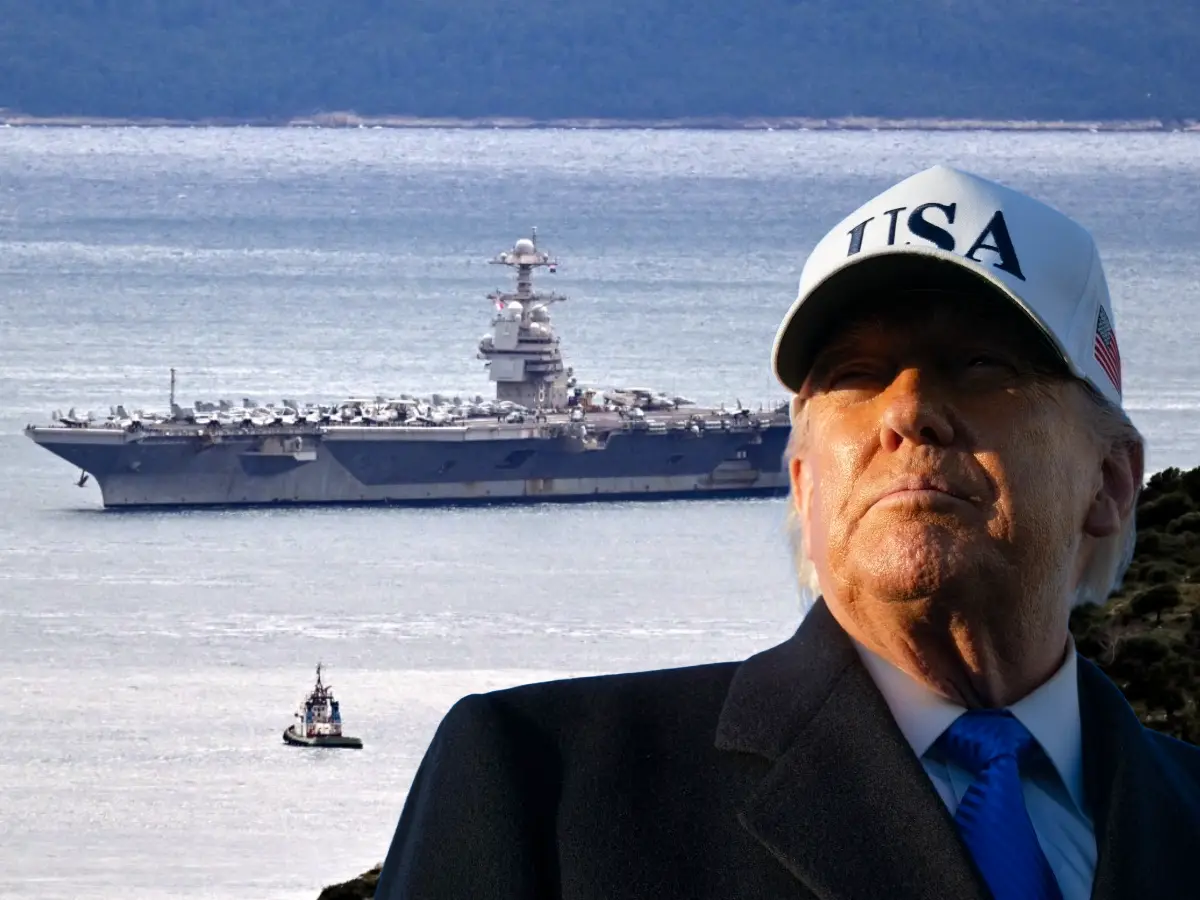
The USS Gerald R. Ford, the US Navy's newest and most technologically advanced aircraft carrier, is preparing to conclude an unprecedented deployment, heading home after a staggering 309 days continuously at sea. This record-breaking tour, the longest for any modern American carrier, has seen the Ford-class supercarrier operate in some of the world's most volatile waters, primarily the Middle East, amidst heightened tensions and strategic challenges. Its departure, however, is not a signal of reduced US commitment or a winding down of the so-called 'Iran blockade,' but rather a complex interplay of operational realities, strategic rotations, and the sheer demands of maintaining a global naval presence.
A Deployment of Unprecedented Length and Intensity
Commissioned in 2017, the USS Gerald R. Ford (CVN-78) represents the pinnacle of naval engineering and power projection. Its maiden operational deployment, which began in May 2023, was initially planned for a standard six-month duration. However, the eruption of the Israel-Hamas conflict in October 2023 dramatically altered its trajectory. The Ford Carrier Strike Group (CSG) was swiftly redirected to the Eastern Mediterranean, serving as a powerful deterrent against potential regional escalation, particularly from actors like Iran and its proxies. This strategic deployment underscored the carrier's role as a flexible instrument of foreign policy, capable of rapid response to emerging crises.
The carrier's presence was a clear message to adversaries: the United States stood ready to protect its interests and allies in the region. Its advanced capabilities, including its electromagnetic aircraft launch system (EMALS) and advanced arresting gear (AAG), allow for higher sortie rates and more efficient air operations, making it a formidable force multiplier. Throughout its extended stay, the Ford and its accompanying strike group conducted numerous exercises, maintained a high state of readiness, and provided critical air superiority in a region perpetually on edge. The sheer duration of this deployment, however, has placed immense strain on both personnel and equipment, pushing the boundaries of sustained naval operations.
Operational Realities and Strategic Rotation
The decision to bring the USS Gerald R. Ford home is primarily driven by operational necessity and the US Navy's long-standing policy of global force management. While the geopolitical landscape in the Middle East remains fraught with challenges, no single asset, no matter how advanced, can remain deployed indefinitely. Naval deployments operate on a cyclical basis, involving: * Maintenance cycles: Carriers require extensive maintenance and refits after prolonged periods at sea to ensure combat readiness and crew safety. * Crew welfare: Extended deployments take a significant toll on the morale and well-being of sailors and aviators, necessitating regular rotations and periods of rest. * Training and modernization: Returning to homeport allows for essential training, integration of new technologies, and preparation for future missions.
Rather than a withdrawal from the region, the Ford's departure is part of a planned carrier rotation. While the specific replacement has not always been immediately announced, the US Navy maintains a continuous presence in key strategic areas. The USS Dwight D. Eisenhower (CVN-69), for instance, has been operating in the Red Sea and Gulf of Aden, engaging Houthi targets in Yemen and safeguarding international shipping. This rotational model ensures that while one carrier group departs, another is either already in place or en route, maintaining the continuity of US power projection without overstretching any single asset.
The Enduring Challenge of Iran and Regional Stability
The source description explicitly states that the Ford's return is "not because the US blockade is ending." This is a crucial distinction. The US strategy towards Iran, characterized by economic sanctions, diplomatic pressure, and a robust military presence to deter aggression, remains firmly in place. Iran's nuclear ambitions, its support for regional proxies (like Hezbollah, Hamas, and the Houthis), and its destabilizing actions continue to be a primary concern for Washington and its allies.
The term "Iran blockade" might be an oversimplification, but it refers to the broader US effort to contain Iranian influence and prevent the free flow of illicit goods and weapons. The presence of US naval assets, including aircraft carriers, destroyers, and submarines, in the Persian Gulf and surrounding waters serves multiple purposes: * Deterrence: Preventing Iranian aggression against commercial shipping, regional partners, or US forces. * Freedom of Navigation: Ensuring the unimpeded passage of vessels through critical chokepoints like the Strait of Hormuz. * Intelligence Gathering: Monitoring Iranian military activities and capabilities. * Crisis Response: Providing a rapid-response platform for any emergent threats.
Even without the Ford, the US Fifth Fleet, headquartered in Bahrain, maintains a substantial presence in the region, comprising various surface combatants, submarines, and expeditionary forces. The strategic importance of the Middle East, particularly concerning global energy supplies and the ongoing Israel-Hamas conflict, ensures that the US will continue to dedicate significant resources to maintaining stability and protecting its interests.
Implications for US Global Posture
The extended deployment of the USS Gerald R. Ford highlights the increasing demands placed on the US Navy in a multipolar world. From the Indo-Pacific to the Middle East and Europe, American naval power is constantly stretched, responding to a myriad of challenges: * Great Power Competition: Countering China's growing naval might in the Pacific and Russia's resurgence in Europe. * Regional Conflicts: Responding to crises in the Middle East and other hotspots. * Counter-terrorism and Piracy: Maintaining maritime security across vast oceans.
The Ford's record-breaking deployment serves as a testament to the resilience of the US Navy but also underscores the need for sustainable force generation. The US military is currently undergoing a period of modernization, aiming to field a more agile and technologically advanced force. The lessons learned from the Ford's deployment – particularly regarding crew endurance, maintenance schedules, and the logistical tail required for sustained operations – will undoubtedly inform future naval strategy and procurement decisions.
Looking Ahead: A Continuous Vigilance
The departure of the USS Gerald R. Ford marks the end of an extraordinary chapter in naval history, but not a shift in US strategic objectives in the Middle East. Its return home is a necessary operational pause, allowing for critical maintenance, rest for its dedicated crew, and preparation for future missions. The United States will continue to project power and maintain a robust presence in the region, adapting its force posture to evolving threats and geopolitical realities. The 'Iran blockade,' or more accurately, the comprehensive strategy to counter Iranian destabilization, will persist, underpinned by a continuous rotation of advanced naval assets. The message remains clear: while the ships may change, the commitment to regional security and the protection of vital interests endures.
Stay Informed
Get the world's most important stories delivered to your inbox.
No spam, unsubscribe anytime.
Comments
No comments yet. Be the first to share your thoughts!