Vintage Vaults to Digital Dreams: The Unexpected Tech Angle of Reidy's & Black Cat Auction
An upcoming auction featuring contents from Cork's Reidy's Wine Vault and Kilkenny's Black Cat pubs reveals a fascinating intersection of heritage, nostalgia, and modern collecting. While seemingly focused on vintage signs and pub paraphernalia, this event highlights the enduring value of physical artifacts in a digital age and the technological platforms facilitating their renewed life. We explore how online bidding and digital archiving are transforming the antique market, connecting collectors globally.
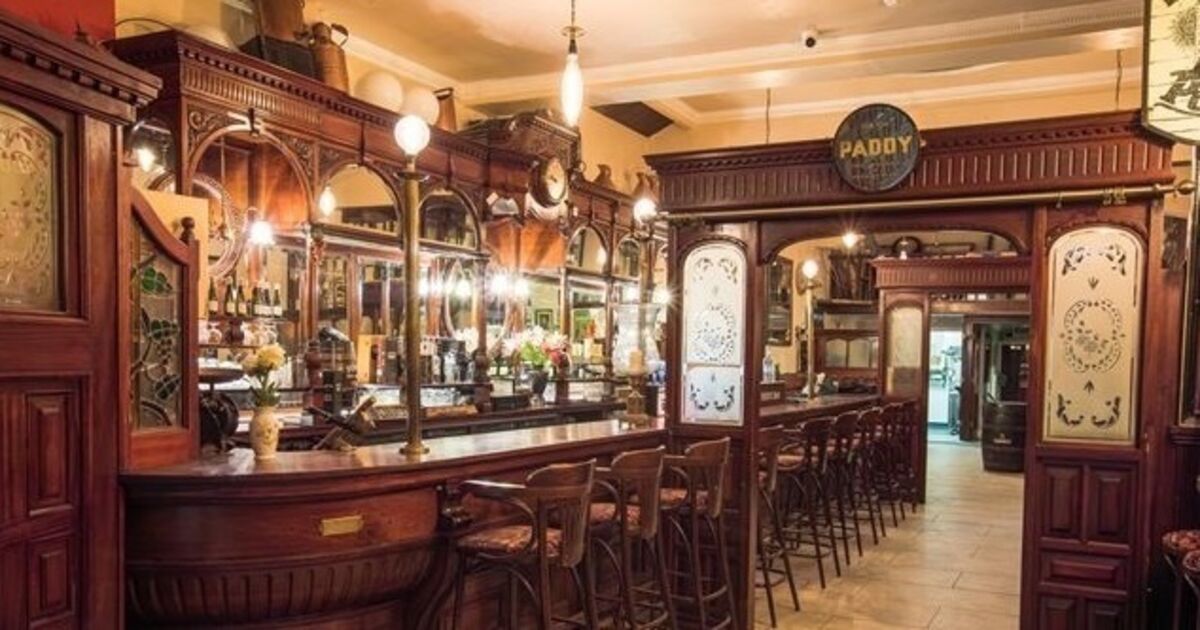
In an era increasingly dominated by digital experiences and virtual assets, the tangible allure of history continues to captivate. This sentiment is vividly brought to life by the upcoming auction of contents from two beloved, now-closed Irish watering holes: Reidy's Wine Vault in Cork and Kilkenny's Black Cat. Far from being a mere clearance sale, this event, as detailed by Des O'Sullivan, offers a fascinating glimpse into the enduring appeal of vintage Americana, industrial design, and the unexpected ways technology is reshaping the world of antiques and collectibles. While the immediate focus is on vintage forecourt signs, enamel signs, modern dealership signs, and paraphernalia like oil cans, the true story here is how these physical relics are finding new life and value through modern technological avenues.
The Allure of the Analog in a Digital World
The items on offer—from the robust, iconic imagery of petrol station signs to the intricate detailing of pub interiors—speak volumes about a bygone era. These aren't just objects; they are fragments of cultural memory, each bearing the patina of time and countless untold stories. The strong demand for such items, as noted in the source, underscores a broader societal trend: a yearning for authenticity and a connection to the past in an increasingly ephemeral digital landscape. Collectors are not just acquiring objects; they are investing in nostalgia, in craftsmanship, and in a piece of history that offers a tangible counterpoint to our screen-centric lives. The enamel signs, in particular, represent a pinnacle of early 20th-century advertising art, their vibrant colors and durable construction a testament to materials and techniques that predate mass-produced plastics and digital displays. Their scarcity and historical significance make them highly sought after, often fetching premium prices from dedicated enthusiasts and interior designers alike.
Technology as the Auctioneer's New Best Friend
While the items themselves are decidedly analog, the mechanism for their sale and discovery is increasingly digital. The auction, viewable in Doneraile over a Bank Holiday weekend, undoubtedly benefits from a physical presence, allowing prospective buyers to inspect items firsthand. However, the reach and success of such events in the 21st century are inextricably linked to online auction platforms and digital marketing strategies. These platforms transcend geographical barriers, allowing a global audience of collectors to participate, driving up competition and prices. High-resolution images, detailed descriptions, and even virtual walkthroughs of the items can be accessed from anywhere in the world, democratizing access to what was once a highly localized market. This technological shift has profoundly impacted the antique trade, transforming it from a niche pursuit for local enthusiasts into a global marketplace where a rare Irish pub sign could find its new home with a collector in Tokyo or Texas.
Preserving Heritage Through Digital Archiving and Data
Beyond the transactional aspect, technology plays a crucial role in the preservation and documentation of these historical artifacts. Digital archiving of auction catalogs, high-resolution photographs, and provenance details creates an invaluable historical record. This data not only aids future research but also helps establish authenticity and value, protecting against counterfeits and ensuring the integrity of the market. Furthermore, the aggregation of sales data from online auctions provides unprecedented insights into market trends, demand for specific categories, and the evolving tastes of collectors. This data analytics can inform future sourcing decisions for auction houses and help individual sellers understand the true market value of their possessions. The 'fine interior' items mentioned, for instance, could be meticulously cataloged and photographed, creating a lasting digital legacy even as their physical components are dispersed among new owners.
The Future of Collectibles: Hybrid Experiences and Blockchain Provenance
Looking ahead, the intersection of technology and collectibles is only set to deepen. We can anticipate even more sophisticated hybrid auction models, combining immersive physical viewings with advanced online bidding interfaces, perhaps incorporating augmented reality (AR) for virtual placement of items in a buyer's home. The concept of blockchain technology is also gaining traction in the art and collectibles market, offering immutable records of ownership and provenance, further enhancing trust and transparency. Imagine a vintage enamel sign whose entire history—from its original installation to every subsequent owner and restoration—is verifiable on a decentralized ledger. This level of transparency could revolutionize how high-value collectibles are traded and authenticated, providing unparalleled security for both buyers and sellers.
Conclusion: A New Chapter for Old Treasures
The auction of contents from Reidy's Wine Vault and the Black Cat is more than just an opportunity to acquire unique pieces of Irish history; it's a microcosm of how our world is adapting to technological change. It illustrates how the digital realm, far from diminishing the value of physical objects, can amplify their reach, preserve their stories, and connect them with passionate new custodians across the globe. From the tactile appeal of a weathered oil can to the digital precision of an online bid, this event bridges centuries, proving that even the most analog treasures can thrive in the most technologically advanced environments. As collectors gather, both physically and virtually, to claim a piece of this rich heritage, they are participating in a dynamic market shaped by innovation, where the past is continually revalued and reimagined for the future. This ongoing evolution ensures that the stories embedded in these objects will continue to resonate for generations to come, thanks in no small part to the silent, yet powerful, hand of technology.
Stay Informed
Get the world's most important stories delivered to your inbox.
No spam, unsubscribe anytime.
Comments
No comments yet. Be the first to share your thoughts!