Washington Monument Shooting: Unraveling the Motives Behind the DC Confrontation
A recent shooting near the Washington Monument involving Michael Marx, who allegedly fired at law enforcement, has sent ripples through the nation's capital. The incident, which occurred near Senator JD Vance's motorcade, has sparked intense debate about public safety, mental health, and the volatile political climate. Authorities are investigating Marx's background and potential motivations, including a reported vulgar remark about the White House, as the community grapples with the implications of such a brazen act in a high-security zone.
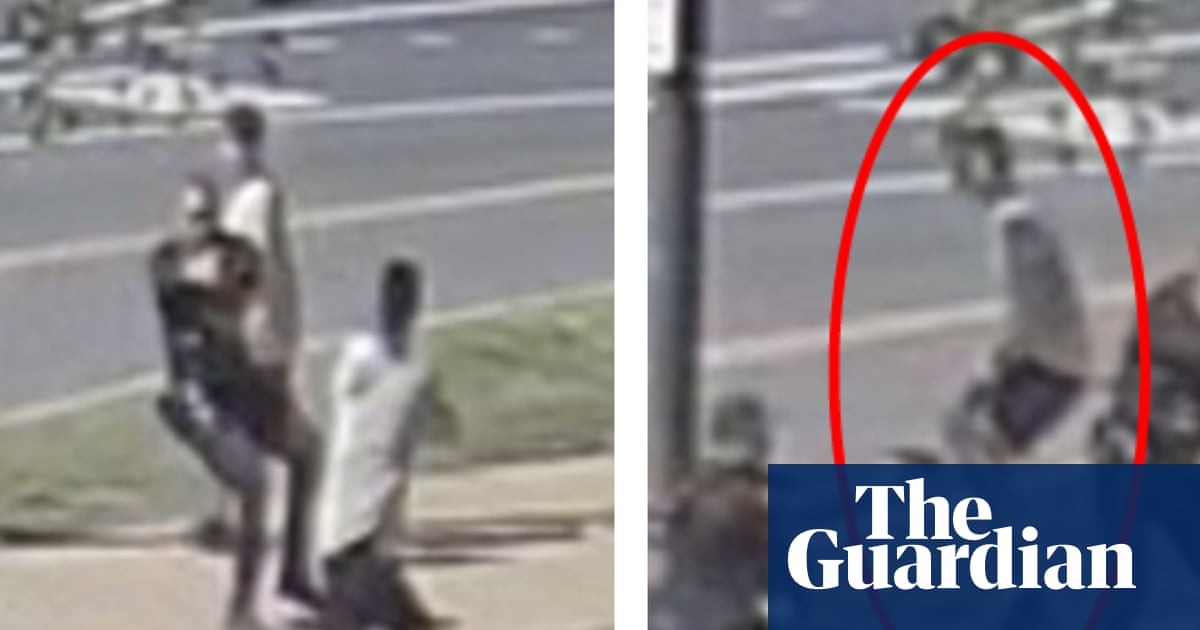
The tranquil expanse surrounding the Washington Monument, a symbol of American resilience and democracy, was shattered this week by a shocking act of violence that has left the nation questioning the state of its public spaces and political discourse. Michael Marx, the individual at the center of this unfolding drama, stands accused of firing a weapon at law enforcement officers, an event that unfolded perilously close to Senator JD Vance’s motorcade and resulted in Marx being shot multiple times by authorities before his apprehension. This incident is not merely a localized crime; it is a stark reflection of deeper societal tensions, demanding a comprehensive examination of its context, implications, and the underlying currents that may fuel such confrontations.
The Anatomy of an Incident: A Timeline of Tensions
The events leading to Marx's arrest paint a disturbing picture. According to initial reports from law enforcement agents, Marx was observed walking near the path of Senator JD Vance's motorcade, an itinerary detail that immediately raises questions about intent, even if coincidental. The proximity to a high-profile political figure, regardless of direct targeting, adds a layer of gravity to the situation. The subsequent confrontation saw Marx reportedly discharging his firearm, prompting a swift and decisive response from officers. He was shot multiple times and subsequently hospitalized, a grim testament to the immediate danger posed and the necessary force employed to neutralize the threat. Eyewitness accounts and preliminary investigations suggest that following the exchange, Marx made a "vulgar remark about the White House," a detail that, if confirmed, could offer a crucial insight into his state of mind or political grievances. This detail, combined with the location – a stone's throw from the very heart of American governance – transforms the incident from a mere shooting into a potential act laden with political undertones, whether driven by personal distress or ideological fervor. The investigation is ongoing, seeking to piece together Marx's movements, his background, and the precise sequence of events that culminated in this violent encounter.
A City on Edge: Washington D.C.'s Vulnerability
Washington D.C. is no stranger to security threats. As the capital of the United States, it is a perpetual target, and its iconic landmarks are often sites of protest, demonstration, and, occasionally, violence. The area around the National Mall, encompassing the Washington Monument, Lincoln Memorial, and the Capitol, is typically bustling with tourists, families, and government workers. The thought of a shooting unfolding in such a public, symbolic space sends a chilling message about the perceived vulnerability of even the most heavily guarded areas. This incident inevitably reignites debates about security protocols, the visibility of law enforcement, and the balance between maintaining public access to national treasures and ensuring their safety. The presence of a senator's motorcade underscores the constant threat assessment required for public officials, and how quickly an ordinary day can escalate into a crisis. The psychological impact on residents and visitors alike cannot be understated; it fosters an environment of unease, challenging the sense of security that is fundamental to a functioning democracy. The city's history is dotted with moments where its resilience has been tested, from the 9/11 attacks to various domestic threats, and each incident forces a re-evaluation of its protective measures.
The Broader Context: Mental Health, Political Polarization, and Gun Violence
This incident cannot be viewed in isolation. It intersects with several critical national conversations: the pervasive issue of gun violence, the escalating political polarization that has gripped the country, and the often-overlooked crisis of mental health. While the specific motivations of Michael Marx are still under investigation, incidents of this nature frequently have roots in one or more of these areas. Was Marx suffering from a mental health crisis that led to a break with reality and a violent outburst? Or was he driven by extreme political beliefs, perhaps fueled by the incendiary rhetoric that has become commonplace in contemporary discourse? The "vulgar remark about the White House" points towards a potential political grievance, but this does not preclude the possibility of underlying psychological issues. The accessibility of firearms further complicates the picture, allowing individuals in distress or with malicious intent to inflict harm rapidly. Statistics consistently show a correlation between mental health challenges and violent acts, though it's crucial to avoid stigmatizing individuals with mental illness, as most are not violent. However, when combined with access to weapons and a climate of intense political division, the risk factors multiply. This incident serves as a grim reminder that these interwoven societal challenges demand comprehensive, multi-faceted solutions, extending beyond mere law enforcement responses to include robust mental health support systems and efforts to de-escalate political rhetoric.
Expert Analysis and Societal Implications
Security experts and political analysts are already weighing in on the potential ramifications. Dr. Evelyn Reed, a professor of political science specializing in domestic terrorism, notes, "An incident like this, even if isolated, has a ripple effect. It can inspire copycats, erode public trust in safety, and exacerbate existing political divides. The proximity to a high-profile politician and a national landmark makes it particularly potent symbolically." The incident forces a re-evaluation of threat assessment models, especially for individuals who may not fit traditional profiles of organized extremist groups but harbor deep-seated grievances. The question of how to identify and intervene with individuals on the cusp of violence, particularly those whose anger might be directed at governmental institutions, is paramount. Furthermore, the incident will undoubtedly fuel calls for stricter gun control measures, even as Second Amendment advocates emphasize the rights of law-abiding citizens. This perennial debate gains renewed urgency with every public shooting, highlighting the deep chasm in American society regarding firearms. The political climate, characterized by heightened rhetoric and distrust, arguably creates a fertile ground for such acts, making it imperative for leaders across the spectrum to consider the impact of their language and actions on public discourse and individual behavior.
Moving Forward: A Call for Unity and Vigilance
The shooting near the Washington Monument is a sobering reminder of the fragility of peace and order in a society grappling with complex challenges. As the investigation into Michael Marx continues, the focus must extend beyond the immediate facts of the case to address the underlying issues that contribute to such violence. This includes investing in accessible mental health services, fostering more civil political discourse, and critically examining gun safety regulations. The incident serves as a powerful call for increased vigilance, not just from law enforcement, but from every citizen. Reporting suspicious behavior, engaging in constructive dialogue, and actively working to bridge societal divides are all crucial steps. The safety of our public spaces and the integrity of our democratic institutions depend on a collective commitment to understanding and mitigating the forces that drive individuals to such desperate acts. Only through a concerted effort can the nation hope to prevent future tragedies and restore a sense of security and unity to its most cherished symbols and spaces. The path ahead is challenging, but the imperative to safeguard democracy and its citizens remains absolute.
Stay Informed
Get the world's most important stories delivered to your inbox.
No spam, unsubscribe anytime.
Comments
No comments yet. Be the first to share your thoughts!