Weaponizing Transparency: How USAID's Openness Became a Target for Disinformation Campaigns
A coordinated campaign, reportedly spearheaded by figures like Elon Musk and WikiLeaks, has exploited USAID's commitment to transparency, turning its own data against it. This sophisticated disinformation effort, leveraging 'half-truths' and a network of self-styled free-speech advocates, aims to undermine the agency's international development work. This article delves into the tactics used, the motivations behind such attacks, and the broader implications for global aid and the future of information integrity.
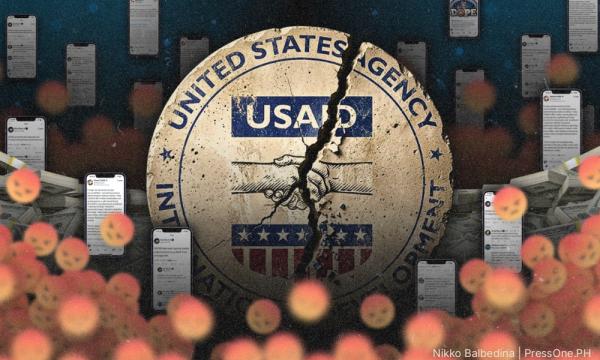
In an increasingly interconnected world, where information flows freely and often unchecked, even the most well-intentioned policies can be weaponized. Such is the perplexing predicament faced by the U.S. Agency for International Development (USAID), an organization renowned for its commitment to transparency and open data. A recent, coordinated bombardment of half-truths and selective narratives, reportedly led by billionaire Elon Musk, WikiLeaks, and a loose network of self-styled free-speech advocates, has ingeniously turned USAID’s own transparency against itself, crafting a potent tool for disinformation.
This isn't merely a critique of a government agency; it represents a sophisticated form of information warfare that leverages the very principles of openness to sow doubt, undermine trust, and potentially derail critical international development efforts. The implications extend far beyond USAID, touching upon the broader challenges of maintaining factual integrity in an age where narratives can be manufactured and amplified with unprecedented speed and reach.
The Paradox of Transparency: A Double-Edged Sword
USAID, like many modern governmental and non-governmental organizations, has embraced transparency as a cornerstone of good governance and accountability. Its public databases, detailed reports, and readily accessible information on projects, funding, and partnerships are designed to foster trust and allow for scrutiny. This commitment, however, has inadvertently created a vast repository of data that, when taken out of context or selectively presented, can be twisted to support misleading claims. The strategy employed by Musk, WikiLeaks, and their allies appears to exploit this very paradox: using verifiable, but incomplete, pieces of information to construct a false or distorted overarching narrative.
For instance, an organization’s funding of a local NGO might be presented as evidence of foreign interference, rather than support for community development. A grant for media literacy could be framed as an attempt to control information, rather than empower citizens. The sheer volume of data available makes it challenging for the average person to discern the full context, making them susceptible to curated misinformation campaigns. This tactic preys on existing skepticism towards large institutions and foreign aid, amplifying doubts through seemingly credible, yet fundamentally flawed, arguments.
The Architects of Disinformation: Who and Why?
The involvement of high-profile figures and organizations adds significant weight and reach to these campaigns. Elon Musk, with his immense social media following and influence, especially on platforms like X (formerly Twitter), possesses an unparalleled ability to disseminate messages to a global audience. His pronouncements, even if based on partial information, can quickly gain traction and legitimacy among his followers, regardless of their factual basis. WikiLeaks, historically known for publishing classified information, now appears to be part of a broader network that, rather than exposing secrets, is actively shaping public perception through selective disclosure and interpretation.
The motivations behind such coordinated attacks are complex and multifaceted. They could range from ideological opposition to foreign intervention, a desire to discredit specific political agendas, or even geopolitical maneuvering. Some self-styled free-speech advocates might genuinely believe they are exposing wrongdoing, even if their methods involve distorting facts. Others might be driven by an anti-establishment sentiment, viewing any large governmental agency as inherently suspect. Regardless of the specific impetus, the common thread is a strategic effort to erode public trust in institutions that are vital for international cooperation and stability.
Tactics and Echo Chambers: How Disinformation Spreads
These disinformation campaigns often employ several key tactics:
* Cherry-picking Data: Selecting specific data points or quotes from USAID's vast public records that, when isolated, appear to support a negative narrative, while ignoring the broader context or positive outcomes. * Creating False Equivalencies: Drawing misleading parallels between USAID's legitimate development activities and nefarious actions, often without substantive evidence. * Amplification through Social Media: Leveraging platforms like X to rapidly disseminate these narratives, often through viral posts, hashtags, and coordinated sharing by influential accounts. * Exploiting Algorithmic Biases: Understanding how social media algorithms prioritize engagement, even if that engagement is driven by controversy or outrage, thereby giving wider reach to sensationalized claims. * Building Echo Chambers: Fostering communities where these narratives are reinforced and validated, making it difficult for dissenting or factual information to penetrate.
The impact of these tactics is profound. They don't just target USAID; they target the very idea of international aid, cooperation, and the promotion of democratic values. By painting development efforts as covert operations or wasteful spending, these campaigns can reduce public support for vital programs addressing poverty, health crises, and human rights abuses globally.
The Broader Implications: A Threat to Global Stability
The weaponization of transparency against organizations like USAID represents a significant threat to global stability and the efficacy of international development. When trust in aid agencies erodes, it becomes harder to mobilize resources, implement programs, and foster the goodwill necessary for effective diplomacy. This can have tangible consequences, from hindering disaster relief efforts to undermining long-term stability initiatives in fragile states.
Furthermore, these campaigns contribute to a broader erosion of truth in the public sphere. If even transparent data can be manipulated to create convincing falsehoods, it becomes increasingly difficult for citizens to distinguish fact from fiction. This environment of pervasive doubt can paralyze informed decision-making and fuel political polarization, both domestically and internationally. The challenge for organizations like USAID, and indeed for all institutions operating in the public eye, is to find ways to maintain transparency while simultaneously inoculating their audiences against sophisticated disinformation.
Countering the Narrative: A Path Forward
Addressing this complex challenge requires a multi-pronged approach. First, organizations like USAID must proactively engage in strategic communication, not just to publish data, but to explain its context and significance clearly and compellingly. This means telling their story effectively, anticipating potential misinterpretations, and swiftly correcting false narratives with comprehensive, accessible information.
Second, there's a need for greater collaboration among media organizations, fact-checkers, and technology platforms to identify and flag disinformation campaigns. Educating the public on media literacy and critical thinking skills is also paramount, empowering individuals to question sources and evaluate information more discerningly. Finally, policymakers must consider the ethical implications of platform design and algorithmic amplification, exploring ways to mitigate the spread of harmful disinformation without stifling legitimate free speech.
In conclusion, the weaponization of USAID's transparency serves as a stark reminder that in the digital age, information is power, and that power can be wielded for both constructive and destructive purposes. As international development agencies continue their vital work, they must not only strive for openness but also develop robust strategies to defend against those who seek to exploit it. The future of global cooperation and the integrity of public discourse depend on our collective ability to navigate this treacherous informational landscape.
Stay Informed
Get the world's most important stories delivered to your inbox.
No spam, unsubscribe anytime.
Comments
No comments yet. Be the first to share your thoughts!