West Bank and Deir al-Balah Hold First Palestinian Local Elections Since October 7
In a significant, albeit limited, exercise of democratic process, Palestinians in the West Bank and Gaza's Deir al-Balah participated in local elections, the first since the October 7, 2023, events. These polls, overseen by the Palestinian Authority, saw nearly a million eligible voters, including 70,000 from Gaza, cast ballots for municipal councils. The elections highlight the complex political landscape and the enduring desire for self-governance amidst ongoing conflict and division.
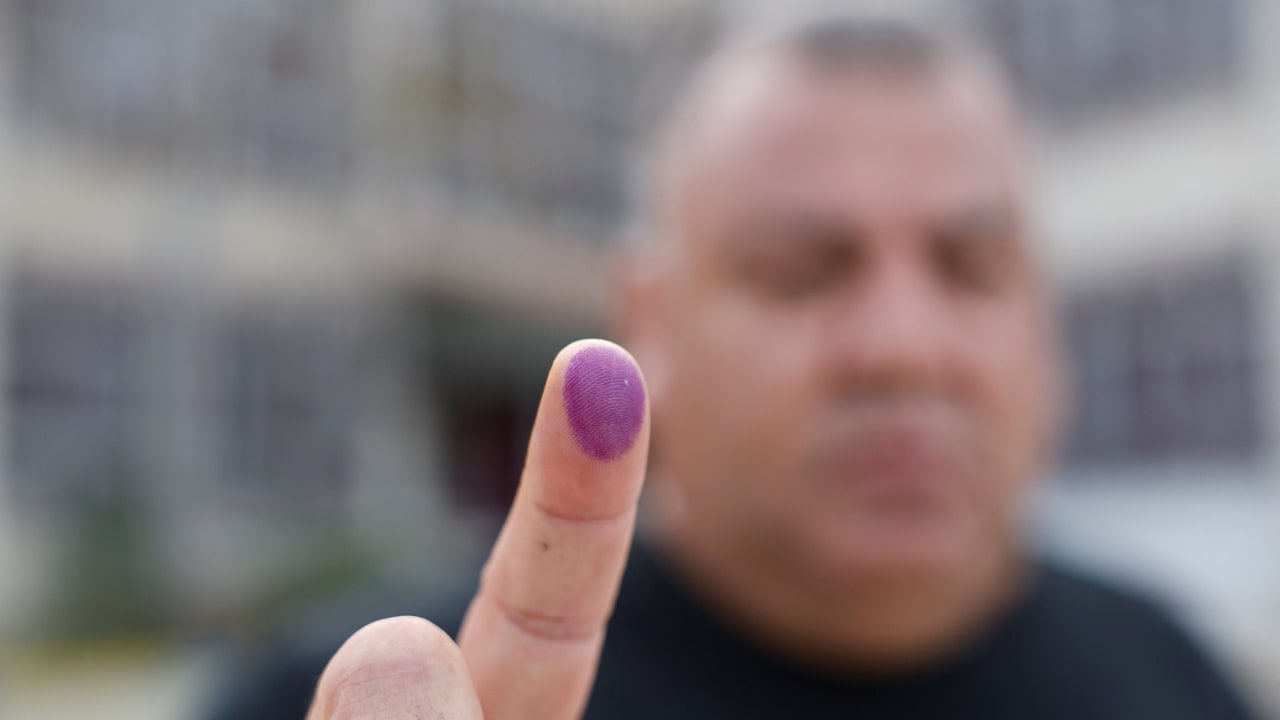
In a landscape scarred by conflict and political fragmentation, Palestinians in the West Bank and the Gazan city of Deir al-Balah embarked on a rare and significant exercise of democratic will this Saturday. These local elections, the first of their kind since the devastating events of October 7, 2023, offered a glimpse into the enduring aspirations for self-governance and stability within the Palestinian territories. Overseen by the Palestinian Authority (PA), the polls drew nearly a million eligible voters, including a notable contingent of 70,000 from the besieged Gaza Strip, specifically within Deir al-Balah.
A Fragile Step Towards Local Governance
The opening of polling stations on Saturday marked a crucial moment, underscoring the PA's attempt to maintain a semblance of administrative function and democratic legitimacy amidst profound challenges. While national elections for the Palestinian Legislative Council and the presidency have been repeatedly postponed—the last presidential election was in 2005, and parliamentary elections in 2006—local elections, though limited in scope, represent a vital mechanism for community representation and service delivery. The current polls focused on municipal councils, bodies responsible for essential services like sanitation, infrastructure, and local planning, directly impacting the daily lives of residents.
The decision to proceed with these elections, particularly in parts of Gaza, is fraught with symbolism. Deir al-Balah, a central Gazan city, has been a focal point of displacement and conflict, yet its residents were afforded the opportunity to vote. This inclusion, however partial, serves as a poignant reminder of the deep divisions within Palestinian governance, as Hamas, the de facto ruler of Gaza since 2007, did not participate, nor were elections held in other parts of the Strip. This stark contrast highlights the ongoing schism between the PA, which governs parts of the West Bank, and Hamas, which controls Gaza, further complicating the path to a unified Palestinian state.
Historical Context and Political Stalemate
To understand the significance of these elections, one must delve into the complex tapestry of Palestinian political history. The Palestinian Authority was established in 1994 following the Oslo Accords, intended as an interim self-governing body leading to an independent Palestinian state. However, the peace process stalled, and internal divisions deepened. The last comprehensive Palestinian elections in 2006 saw Hamas win a majority in the legislative council, leading to a violent power struggle with Fatah, the dominant party of the PA. This conflict resulted in Hamas's takeover of Gaza and the effective political separation of the two territories.
Since then, attempts to reconcile and hold national elections have repeatedly failed, often due to disagreements over electoral laws, security arrangements, and the participation of all factions. The absence of national elections has led to a democratic deficit, with many Palestinians feeling disenfranchised and disillusioned with their political leadership. The current local elections, therefore, are not just about municipal services; they are also a barometer of political will and a test of the PA's ability to exert its authority and legitimacy, even in limited areas.
Moreover, the backdrop of the October 7, 2023, events and the subsequent war in Gaza adds another layer of complexity. The conflict has profoundly impacted Palestinian society, exacerbating humanitarian crises and deepening a sense of despair. Holding elections under such circumstances is a testament to the resilience of the Palestinian people but also raises questions about the legitimacy and representativeness of a process that excludes vast swathes of the population and occurs amidst ongoing hostilities.
Implications and Future Outlook
The immediate implications of these local elections are primarily administrative, focusing on the composition of municipal councils and their capacity to deliver services. However, the broader political implications are far-reaching. For the PA, successfully conducting these elections, even on a limited scale, can bolster its claims of administrative competence and its role as the legitimate representative of the Palestinian people, at least in the eyes of the international community. It also provides a mechanism for local accountability, albeit within a constrained political framework.
For the international community, particularly those advocating for a two-state solution, these elections might be viewed as a small but positive step towards democratic institution-building. However, the exclusion of Hamas and the limited geographical scope mean that these polls cannot be seen as a comprehensive reflection of Palestinian political sentiment. The question of national unity and the future of governance in a post-conflict Gaza remains paramount and largely unaddressed by these local contests.
Looking ahead, the success or failure of these newly elected councils will be critical. Their ability to effectively manage local affairs, secure funding, and navigate the complexities of Israeli occupation and internal Palestinian divisions will determine their impact on the lives of ordinary citizens. More broadly, these elections serve as a stark reminder of the urgent need for a comprehensive political solution that addresses the aspirations of all Palestinians for self-determination, unity, and lasting peace. Without a pathway to national elections and genuine political reconciliation, such limited exercises in democracy, while important, will continue to highlight the deep-seated challenges facing the Palestinian people.
The results of these elections, expected shortly after polls close, will offer initial insights into local preferences and the strength of various political currents. Yet, the true measure of their success will lie not just in who wins, but in whether they can foster greater stability, improve local governance, and, perhaps, pave the way for a more inclusive and representative political future for all Palestinians.
Stay Informed
Get the world's most important stories delivered to your inbox.
No spam, unsubscribe anytime.
Comments
No comments yet. Be the first to share your thoughts!