WhatsApp Plus: Meta's New Paid Subscription Redefines Messaging Experience
Meta is reportedly testing 'WhatsApp Plus', a premium subscription service designed to offer advanced customization and convenience features beyond the free version. While core messaging, calls, and security remain free, this move signals a potential shift in WhatsApp's monetization strategy, aiming to cater to power users and businesses. The introduction of a paid tier could reshape user expectations and the competitive landscape of instant messaging.
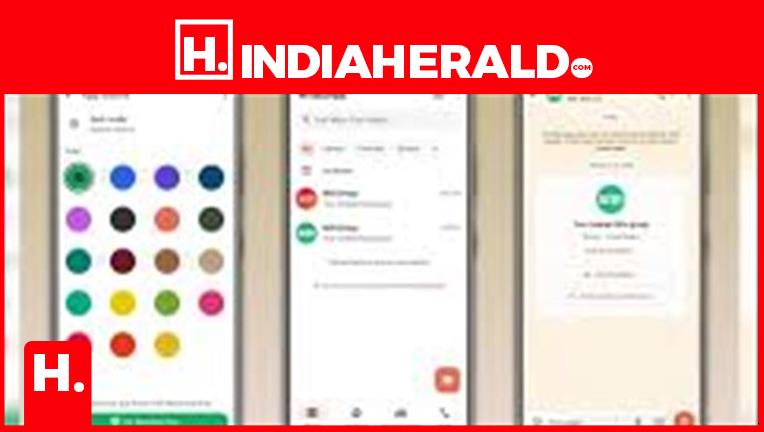
In an era dominated by free digital services, the news of Meta's potential foray into a paid subscription model for its ubiquitous messaging platform, WhatsApp, has sent ripples across the tech world. Currently undergoing testing, 'WhatsApp Plus' is poised to offer users an enhanced experience, replete with extra customization and convenience features that go beyond the standard, free offering. This strategic pivot, if widely implemented, could redefine how millions interact with their primary communication tool, while also signaling a significant evolution in Meta's broader monetization strategy.
Since its acquisition by Facebook (now Meta) in 2014 for a staggering $19 billion, WhatsApp has largely adhered to a free-to-use model, initially funded by a $1 annual subscription fee that was later abolished. Its meteoric rise to over 2 billion active users worldwide is largely attributable to its simplicity, end-to-end encryption, and zero-cost barrier to entry. However, maintaining such a vast infrastructure and continuously innovating requires substantial resources. For years, Meta has explored various avenues to monetize WhatsApp, from the introduction of WhatsApp Business API for enterprises to in-app payment features in select markets. 'WhatsApp Plus' appears to be the latest, and perhaps most direct, attempt to generate revenue directly from its user base, albeit a segment willing to pay for premium functionalities.
The Promise of WhatsApp Plus: What to Expect
While specific features of 'WhatsApp Plus' are still under wraps and subject to change during the testing phase, the overarching theme is enhanced customization and convenience. This could manifest in several ways. Imagine advanced chat management tools, such as the ability to pin more conversations, categorize chats with custom labels, or even schedule messages. For those who crave personalization, 'WhatsApp Plus' might offer expanded theme options, unique sticker packs, or exclusive emoji reactions. Enhanced privacy controls beyond the current offerings, such as advanced read receipt management or more granular control over who sees your online status, could also be a compelling draw.
Furthermore, the 'convenience' aspect could extend to productivity features. This might include deeper integration with other Meta services (though this would need careful handling given past privacy concerns), larger file sharing limits, or even cloud storage options for media. For small businesses or professionals who rely heavily on WhatsApp for client communication, 'WhatsApp Plus' could introduce CRM-like functionalities, advanced analytics for message engagement, or dedicated customer support channels. It's crucial to note that Meta has explicitly stated that core WhatsApp messaging, calls, and security will remain free and uncompromised. This ensures that the platform's fundamental utility and accessibility are preserved for its vast global user base, mitigating fears of a paywall for essential communication.
Historical Context: The Evolution of Freemium Models
The move towards a freemium model is not unprecedented in the tech industry. Many successful platforms, from Spotify and YouTube to LinkedIn and various gaming apps, offer a basic free service alongside a premium, paid tier that unlocks additional features, removes ads, or provides an ad-free experience. This strategy allows companies to maintain a broad user base while simultaneously generating revenue from their most engaged or demanding users. For Meta, which has faced increasing scrutiny over its advertising-based revenue model and privacy practices, diversifying its income streams is a strategic imperative. The introduction of 'WhatsApp Plus' could be seen as a way to reduce reliance on targeted advertising and offer users a value proposition that directly addresses their needs for advanced features.
Moreover, the competitive landscape of messaging apps is constantly evolving. Telegram, Signal, and other challengers frequently introduce innovative features, pushing WhatsApp to continuously upgrade its offerings. A premium tier allows WhatsApp to experiment with and deploy more sophisticated features that might be too costly or niche to offer to the entire free user base. It also creates a distinct value proposition for users who are willing to invest in a more powerful communication tool, potentially fostering greater loyalty and engagement within that segment.
Implications for Users and the Market
The introduction of 'WhatsApp Plus' carries significant implications. For users, it presents a choice: continue with the robust, free version that meets most communication needs, or upgrade for an enhanced experience. This could lead to a two-tier user experience, where premium subscribers enjoy a more refined and powerful version of the app. The success of 'WhatsApp Plus' will hinge on the perceived value of its premium features. If the added functionalities are genuinely useful and address pain points for power users, businesses, or those seeking greater customization, the subscription could gain traction.
From a market perspective, this move could prompt other messaging platforms to re-evaluate their own monetization strategies. It might also intensify the competition for premium users, leading to a feature arms race. For Meta, a successful 'WhatsApp Plus' could provide a stable, recurring revenue stream that is less susceptible to advertising market fluctuations and privacy regulation changes. It also allows Meta to gather valuable data on what users are willing to pay for, informing future product development across its ecosystem.
However, Meta must navigate this transition carefully. Any perception that essential features are being moved behind a paywall, or that the free version is being deliberately degraded to push subscriptions, could lead to user backlash and migration to alternative platforms. Transparency and clear communication about the value proposition of 'WhatsApp Plus' will be paramount to its acceptance.
The Future of Messaging: Premium Experiences on the Horizon
The testing of 'WhatsApp Plus' marks a significant moment in the evolution of instant messaging. It signifies a potential shift from a purely ad-supported or indirectly monetized model to one that directly offers enhanced value for a fee. As digital communication becomes increasingly central to our personal and professional lives, the demand for more sophisticated, customizable, and efficient tools is growing. 'WhatsApp Plus' represents Meta's attempt to meet this demand, offering a glimpse into a future where premium messaging experiences become a standard offering.
Whether 'WhatsApp Plus' achieves widespread adoption or remains a niche offering for dedicated users, its existence underscores a broader trend: the continuous search for sustainable monetization models in the free-to-use digital economy. As Meta refines its strategy, the messaging landscape will undoubtedly continue to evolve, with users ultimately benefiting from a wider array of choices and potentially more powerful communication tools.
Stay Informed
Get the world's most important stories delivered to your inbox.
No spam, unsubscribe anytime.
Comments
No comments yet. Be the first to share your thoughts!